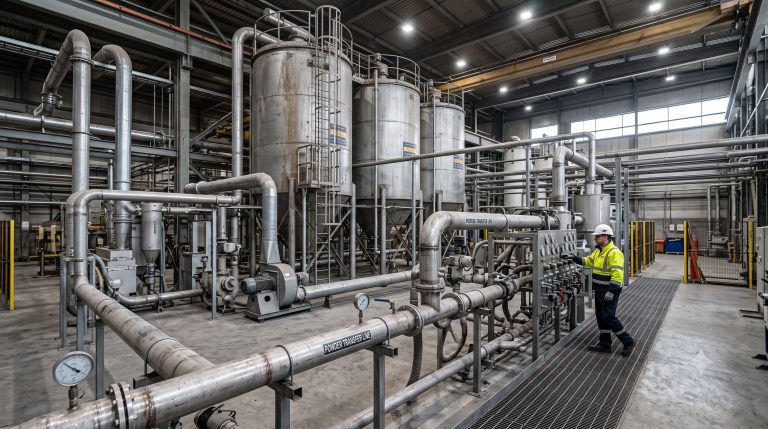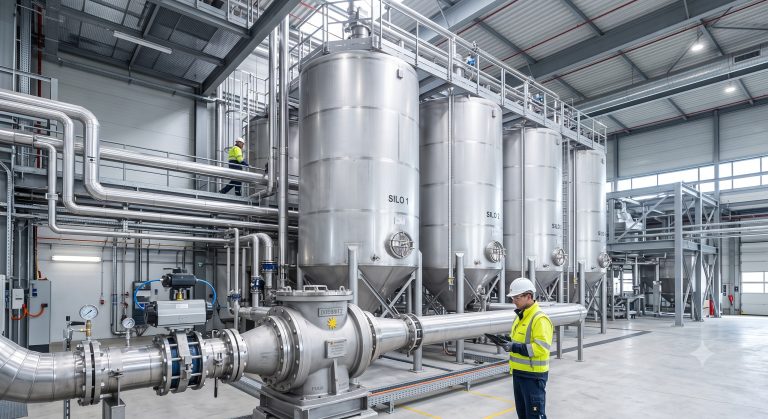
Introduction: The Critical Role of Hygienic Rotary Valves in Starch Processing
In the food and pharmaceutical industries, the handling of fine powders such as starch presents a unique set of engineering challenges. Starch, a ubiquitous ingredient in everything from baked goods to pharmaceuticals, is highly susceptible to contamination, degradation, and flowability issues. For plant managers and process engineers, the equipment used to convey, meter, and discharge this material must not only be efficient but also meet the strictest hygiene and safety standards. This is where the Doebritz Quick-release airlock valve emerges as an industry benchmark, offering a seamless integration of precision engineering, sanitary design, and operational reliability.
The Starch Quick-release airlock valve is a specialized piece of equipment designed to handle the unique characteristics of starch, including its fine particle size, potential for dust explosions, and tendency to pack or bridge. This comprehensive guide delves into the engineering principles, technical specifications, and operational benefits that make the Doebritz solution the premier choice for starch handling in high-sanitary environments. We will explore its metallurgical composition, precision clearances, cleaning protocols, and compliance with stringent global standards, providing a data-driven evaluation for B2B decision-makers.

Engineering Deep Dive: Metallurgy, Precision, and Sanitary Design
Metallurgy and Material Selection for Food-Grade Starch
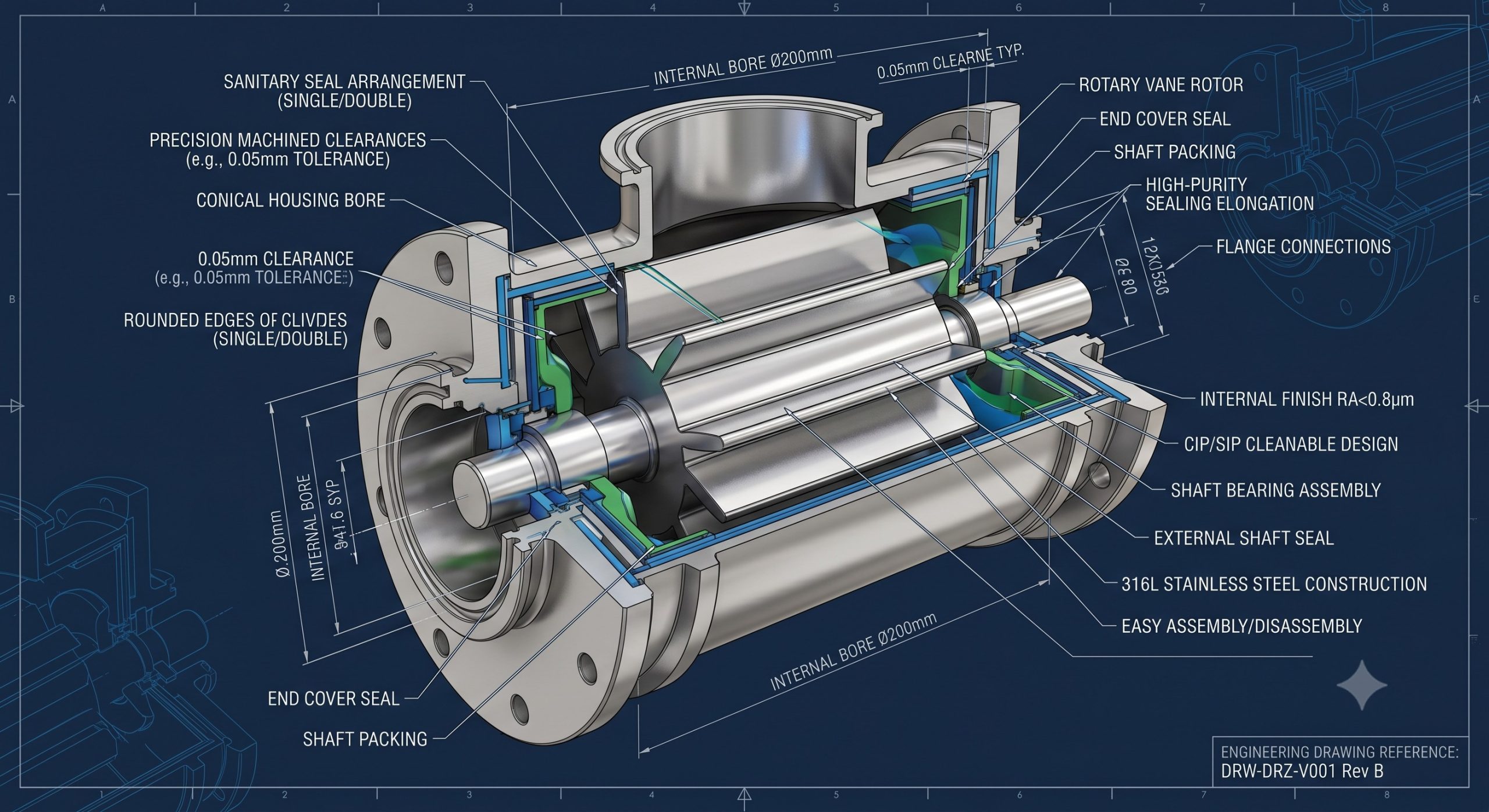
The construction of a rotary valve for food applications is paramount to its performance and longevity. The Doebritz Quick-release airlock valve is manufactured from premium SUS304 and SUS316L stainless steel, offering superior corrosion resistance and a non-porous surface that inhibits bacterial growth. For the starch industry, the choice of 316L is often preferred due to its enhanced resistance to chlorides and other cleaning agents used in CIP (Clean-in-Place) and WIP (Wash-in-Place) protocols. The valve also offers options for carbon steel with coatings such as tungsten carbide or ceramic coatings for high-wear applications involving abrasive starches like modified cornstarch. All materials are compliant with FDA regulations for food contact, ensuring safety and peace of mind.
Precision Clearances and Leakage Control
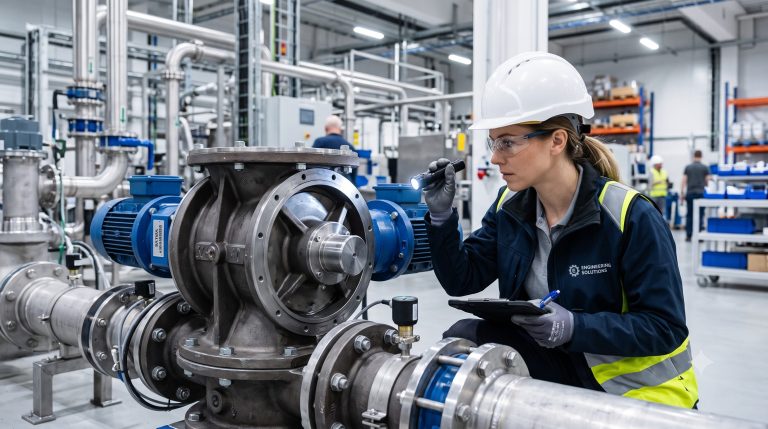
One of the most critical performance metrics for an airlock valve is its ability to reduce air leakage. In pneumatic conveying systems, even minor air leakage can lead to significant efficiency losses and process instability. Doebritz achieves this through an exceptionally tight clearance between the rotor and the valve housing, precisely controlled to 0.1–0.2 mm. This engineering precision minimizes the pressure differential loss across the valve, ensuring stable operation in both positive pressure and negative pressure pneumatic conveying systems. For starch, which is extremely light and buoyant, this tight tolerance prevents blowback, ensuring that the fine powder is not blown back into the hopper or upstream equipment, thereby maintaining consistent flow and preventing dusting.
Hygienic Engineering: Quick-Release and Cleanability
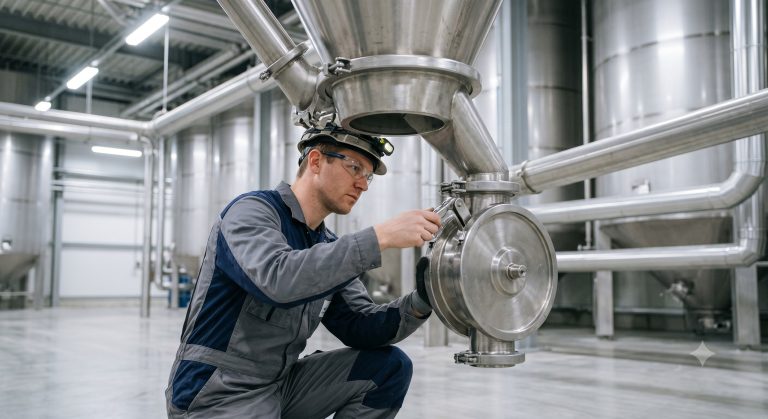
The Quick-release airlock valve is designed with a focus on minimizing downtime and maximizing cleaning efficacy. Its patented quick-release mechanism allows for complete disassembly without the need for specialized tools, granting operators full access to all internal surfaces for manual cleaning or inspection. This feature is crucial in starch processing, where product changeovers are frequent and the risk of cross-contamination must be mitigated. The valve supports online CIP and WIP cleaning processes, further enhancing its hygiene profile. Internal surfaces are meticulously polished to a Ra ≤ 0.4 μm mirror finish, creating a surface that is not only easy to clean but also resists product adhesion, ensuring that all product is discharged and no residual material remains to spoil or contaminate the next batch.
| Key Parameter | Technical Specification |
|---|---|
| Model Designation | DBR-1237 |
| Material Options | SUS304, SUS316L, Carbon Steel (Painted/Nickel-Plated), Coatings (Tungsten Carbide, Ceramic, PE, PTFE, PA) |
| Max Differential Pressure | Up to 1.0 Bar (for high-pressure dense phase conveying) / 16 Bar (for explosion-proof versions) |
| Operating Temperature Range | Ambient: -15°C to +60°C; Material: 0°C to +120°C (Optional: Water Cooling Jacket) |
| Rotor-to-Housing Clearance | 0.1 – 0.2 mm |
| Port Sizes (DN) | DN50, DN100, DN150, DN200, DN300, DN350 |
| Seal Type | Lip Seal (Air-Tight) / Packing Seal |
| Surface Finish | Internal: Mirror Finish (Ra ≤ 0.4 μm); External: Machined (<0.8 μm), Sandblasting, Shot Blasting |
| Cleaning Protocols | Quick-Release for Manual Cleaning, Online CIP, Online WIP |
| Explosion Protection | ATEX Zone 20/21/22, NFPA Compliant |
| Certifications | CE, TÜV, EHEDG (For hygienic design), FDA Compliant Materials |
| Control Options | Variable Frequency Drive (VFD), PLC Control for Batch/Recipe Metering |
Technical Specifications and Performance Data
To make an informed procurement decision, engineers and plant managers require quantifiable data. The Doebritz Starch Quick-release airlock valve is engineered to deliver consistent, high-performance results across a range of operational parameters. Below is a detailed specification table outlining the critical performance metrics and technical standards that define this industry-leading valve.
| Key Parameter | Technical Specification |
|---|---|
| Model Designation | DBR-1237 |
| Material Options | SUS304, SUS316L, Carbon Steel (Painted/Nickel-Plated), Coatings (Tungsten Carbide, Ceramic, PE, PTFE, PA) |
| Max Differential Pressure | Up to 1.0 Bar (for high-pressure dense phase conveying) / 16 Bar (for explosion-proof versions) |
| Operating Temperature Range | Ambient: -15°C to +60°C; Material: 0°C to +120°C (Optional: Water Cooling Jacket) |
| Rotor-to-Housing Clearance | 0.1 – 0.2 mm |
| Port Sizes (DN) | DN50, DN100, DN150, DN200, DN300, DN350 |
| Seal Type | Lip Seal (Air-Tight) / Packing Seal |
| Surface Finish | Internal: Mirror Finish (Ra ≤ 0.4 μm); External: Machined (<0.8 μm), Sandblasting, Shot Blasting |
| Cleaning Protocols | Quick-Release for Manual Cleaning, Online CIP, Online WIP |
| Explosion Protection | ATEX Zone 20/21/22, NFPA Compliant |
| Certifications | CE, TÜV, EHEDG (For hygienic design), FDA Compliant Materials |
| Control Options | Variable Frequency Drive (VFD), PLC Control for Batch/Recipe Metering |
Operational Excellence: Applications and Industry Integration
Starch Processing Line Integration
The Starch Quick-release airlock valve is a versatile workhorse in a modern food processing plant. It excels in several critical applications:
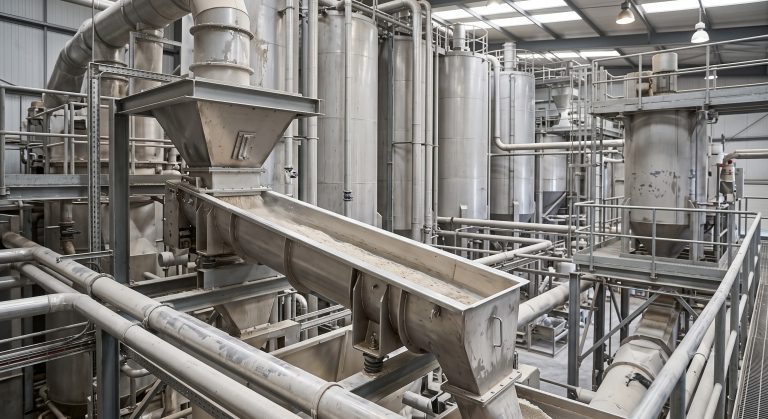
- Gravity Discharge: For silo or hopper discharge, the valve ensures a consistent, uninterrupted flow of starch, preventing bridging and rat-holing through its advanced rotor design.
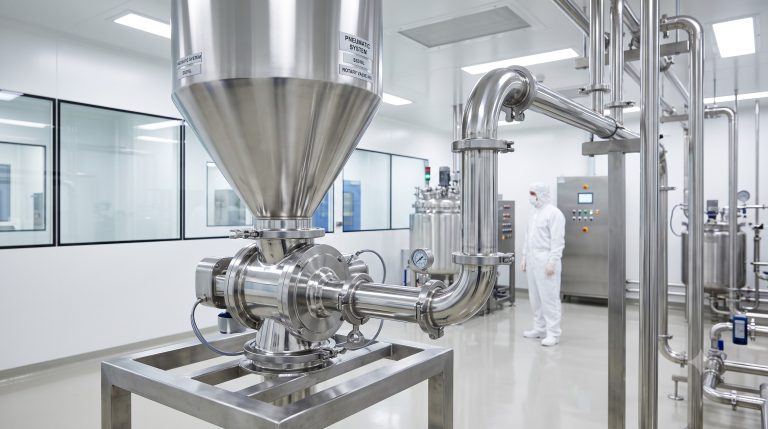
- Pneumatic Conveying: Whether in a low-pressure dilute phase (<0.4 Bar) or high-pressure dense phase (0.4 to 1.0 Bar) system, the valve maintains airlock integrity, reducing energy consumption and ensuring efficient material transport.
- Automated Batching and Metering: When integrated with a VFD and PLC, the valve functions as a precision metering device. It can be programmed to deliver exact batch weights or follow a specific recipe, making it ideal for high-accuracy formulations in food, bakery, and pharmaceutical applications.
Explosion Safety: ATEX Compliance
Starch is a combustible dust, making explosion protection a non-negotiable requirement. The Doebritz valve is engineered with safety at its core. It is available in ATEX-certified configurations for Zone 20, Zone 21, and Zone 22 hazardous areas. The robust housing is designed to withstand an internal explosion pressure of 16 Bar, containing the blast and preventing propagation to other areas of the plant. Additionally, the valve is equipped with an explosion-proof motor and features like precision clearances to minimize heat generation and ignition risks.
The Economic Advantage: Reducing Total Cost of Ownership
Beyond the immediate technical specifications, the Doebritz Quick-release airlock valve offers a compelling economic advantage. The reduction in air leakage translates to lower energy costs for the pneumatic conveying system. The wear-resistant material options and precision engineering extend the service life of the valve, significantly reducing the frequency of spare parts replacement. Most importantly, the quick-release design reduces maintenance downtime from hours to minutes, directly increasing the plant’s overall equipment effectiveness (OEE) and production output. For plant managers, this means a faster return on investment and a lower Total Cost of Ownership (TCO).
Conclusion: Elevating Starch Handling with Doebritz Precision
The challenges of handling starch—from its potential for contamination to its explosion hazards—demand a level of engineering sophistication that is not found in standard rotary valves. The Doebritz Starch Quick-release airlock valve transcends these challenges by offering a solution that is meticulously designed, precisely manufactured, and rigorously tested to meet the highest industry standards. Its combination of FDA-compliant materials, hygienic quick-release design, exceptional airlock performance, and ATEX certification makes it the definitive choice for any facility seeking to optimize its powder handling processes. For process engineers and plant managers in the food, pharmaceutical, and chemical sectors, investing in Doebritz is not just about purchasing equipment; it’s about investing in reliability, safety, and production excellence. Contact Doebritz today to explore how this advanced valve can transform your starch handling operations and drive your business forward.