Introduction: The Critical Imperative of ATEX Compliance in Bulk Solids Handling
In the realm of industrial powder and bulk solids handling, the explosion risk is a paramount engineering concern. For B2B plant managers, process engineers, and EPCs, navigating the complexities of the ATEX 2014/34/EU directive is not just a legal obligation but a fundamental requirement for operational safety and asset protection. This technical guide provides an authoritative, data-driven explanation of the ATEX directive, specifically focusing on its application to rotary valves and airlock feeders, with a particular emphasis on the engineering rigor applied to Doebritz equipment.
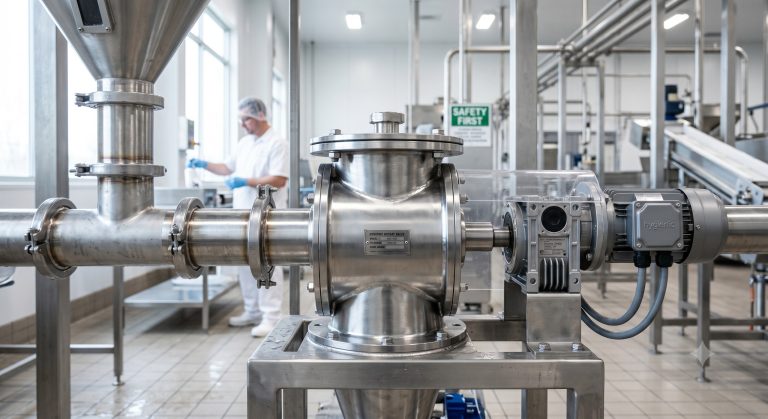
As a senior mechanical engineer specializing in pneumatic conveying, I have overseen the deployment of countless rotary valves in classified zones. The core challenge lies in understanding that dust explosions are a function of five elements: fuel (dust), oxidant (air), ignition source, dispersion, and confinement. An ATEX-certified rotary valve like the Doebritz DBR-1237 Quick-release rotary valve serves as a fundamental mechanical barrier, isolating the upstream explosion risk from downstream operations.
This article delves into the intricacies of ATEX 2014/34/EU, explaining its classification, technical requirements, and how Doebritz’s engineering solutions ensure compliance while enhancing operational efficiency.
ATEX 2014/34/EU Directive: A Technical Primer
The ATEX 2014/34/EU directive (often referred to as ATEX 153) governs equipment and protective systems intended for use in potentially explosive atmospheres. It replaced the older ATEX 95 directive. For the bulk materials industry, this directive mandates that all equipment, including rotary valves, star discharge valves, and airlock feeders, must be designed and manufactured to prevent explosions and limit their effects.
Zone Classification: The Starting Point
The directive categorizes hazardous areas into zones based on the frequency and duration of the presence of an explosive atmosphere. For dust (as opposed to gas), these are Zone 20, 21, and 22.
- Zone 20: An area where an explosive atmosphere in the form of a cloud of combustible dust in air is present continuously, or for long periods, or frequently. This is typically inside the equipment itself, such as the interior of a pneumatic conveying system or a silo.
- Zone 21: An area where an explosive atmosphere in the form of a cloud of combustible dust in air is likely to occur occasionally in normal operation. This might be near flanges or filling points.
- Zone 22: An area where an explosive atmosphere in the form of a cloud of combustible dust in air is not likely to occur in normal operation but, if it does occur, will persist for a short period only.
When specifying a Doebritz rotary valve, understanding this classification is critical. Our DBR-1237 series is engineered to meet the requirements for all three zones, providing ATEX-certified protection.
Rotary Valve Engineering for Explosive Environments: Beyond Certification
While ATEX certification is a table stake, the true engineering challenge lies in designing a valve that is not only compliant but also durable, hygienic, and efficient. The Doebritz DBR-1237 embodies this philosophy, integrating key design features that mitigate explosion risks.
Pressure Resistance and Flame Propagation Prevention
A primary requirement for ATEX-compliant rotary valves is the ability to withstand internal explosions (if they occur) and prevent flame propagation to surrounding areas. The Doebritz valve casing is designed with robust metallurgy and precision machining. For high-pressure applications, our valves offer pressure resistance ratings up to 16 bar, effectively containing potential explosions.
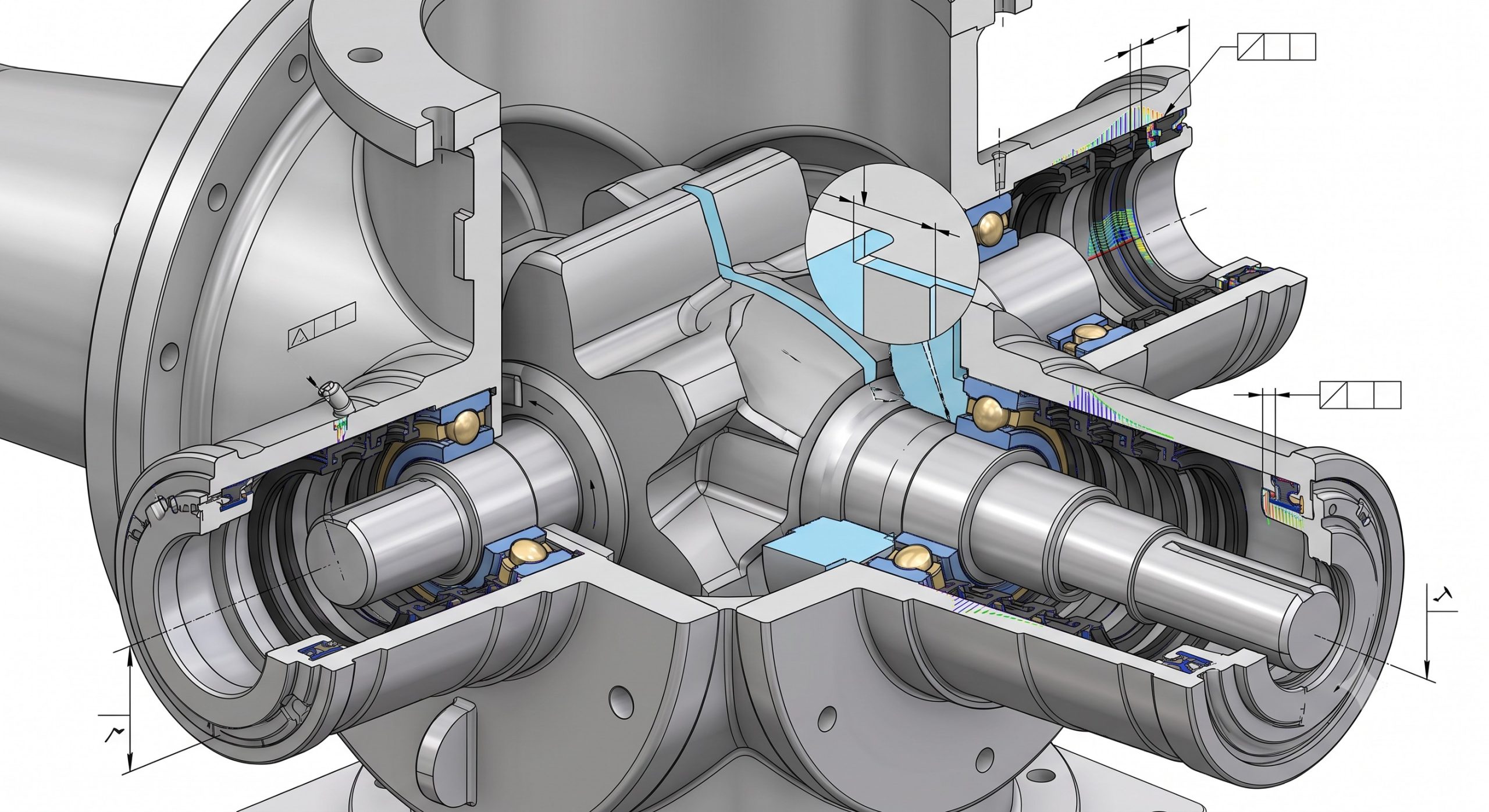
Equally critical is maintaining precise clearances. The directive requires that clearances between the rotor and the housing are sufficiently tight to quench a flame. The Doebritz DBR-1237 sets this clearance at 0.1mm to 0.2mm. This incredibly tight tolerance, achieved through state-of-the-art CNC machining, ensures that any flame front initiated inside the valve cannot propagate to the upstream or downstream environment. This clearance is a key element in meeting the ATEX 2014/34/EU directive requirements for flameproof enclosures.
| Key Parameter | Technical Specification (Doebritz DBR-1237) |
|---|---|
| ATEX Compliance | 2014/34/EU (Zone 20, 21, 22) |
| Max Differential Pressure | Up to 1.5 Bar (150 kPa) (Standard / High-Pressure variants up to 16 Bar) |
| Operating Temperature (Ambient) | -15°C to +60°C |
| Operating Temperature (Material) | 0°C to +120°C (Higher with optional cooling jacket) |
| Rotor-to-Housing Clearance | 0.1mm – 0.2mm |
| Typical Rotor Speeds | 10 – 60 RPM (VFD controlled) |
| Construction Materials | SUS304 / SUS316L / Carbon Steel / Wear Resistant Coatings |
Engineering Design for ATEX Performance
The mechanical design of a rotary valve is crucial for minimizing ignition sources. Here’s how Doebritz addresses each potential source.
Mechanical Sparks and Friction
Metal-to-metal contact can generate sparks. To prevent this, the Doebritz design features a precision rotor that does not contact the housing, thanks to the aforementioned 0.1-0.2mm clearance and the use of robust, high-quality bearings that prevent rotor deflection under load. For particularly abrasive materials like carbon black or titanium dioxide, Doebritz offers internal coatings such as tungsten carbide or ceramic, which reduce friction and the risk of spark generation from material impact.
Static Electricity Discharge
Another ignition source is static electricity. The rapid movement of powders through a rotary airlock valve can generate significant static charge. Doebritz valves are equipped with conductive materials and grounding points to ensure all components are electrically bonded, preventing static discharge.
Outboard Bearing and Shaft Sealing
A classic point of failure and potential hazard is the bearing housing. Traditional designs place bearings within the material flow path or in a position where dust can accumulate and overheat. Doebritz deploys outboard bearings, which are isolated from the process stream. This prevents dust from contacting the bearings and, in the event of a bearing failure, ensures that no heat or sparks are generated inside the explosive environment. The shaft is sealed using lip seal air-tight seals or even air-purge seals, which create a positive pressure barrier, preventing dust from escaping the valve body and entering the bearing housing.
Practical Implementation: ATEX Zone 20/21/22 Integration
Implementing an ATEX-approved valve requires careful coordination with the rest of the plant’s safety system. For a Doebritz DBR-1237, this integration involves more than just physical installation.
- Zone 20 (Inside the Valve): The valve itself must be certified for use as a Zone 20 component. Its design and 0.1-0.2mm clearance act as a primary layer of protection.
- Zone 21/22 (Surroundings): The flanges, seals, and housing must be designed to prevent dust leakage. The Doebritz features a quick-release mechanism with FDA-compliant seals, ensuring not just hygiene but also containment, preventing dust from entering the external atmosphere.
- Mechanical Interlocks: The valve is typically integrated with the plant’s PLC to ensure that it is running before material is fed into the system, preventing blockages that could lead to dangerous pressure buildups.
For high-risk environments, Doebritz provides valves that can be paired with explosion venting panels or suppression systems, though the valve’s robust construction often serves as the primary protective measure.
Certification and Documentation
Compliance with ATEX is not a single event but a continuous process. Doebritz provides comprehensive documentation with every valve, including:
- ATEX Declaration of Conformity.
- Comprehensive technical file outlining the design principles, materials, and manufacturing processes used to achieve compliance.
- Mounting and operating instructions specific to the hazardous zone classification, including torque specifications for bolted connections to ensure flame path integrity.
This documentation is essential for plant owners to demonstrate due diligence and compliance with local health and safety regulations. All Doebritz valves undergo rigorous testing and hold CE and TÜV certifications, ensuring they meet the stringent requirements of the ATEX 2014/34/EU directive.
Conclusion: The Doebritz Engineering Advantage
Navigating the technical requirements of the ATEX 2014/34/EU directive requires a deep understanding of both regulatory nuance and mechanical engineering. For plant operators, selecting an ATEX-certified rotary valve is critical for ensuring safety and operational continuity. The Doebritz DBR-1237 elevates this compliance by integrating precision tolerances (0.1-0.2mm), advanced metallurgy and coating options (tungsten carbide/ceramic), robust outboard bearing isolation, and optional air-purge shaft seals.
Beyond safety, these engineering features translate directly to superior performance: lower leakage rates (precision airlock), enhanced wear resistance for abrasive materials, and reduced maintenance costs through its quick-release design. By choosing Doebritz, you are not only meeting your regulatory obligations but also investing in a high-performance, durable, and hygienic solution that minimizes the Total Cost of Ownership (TCO) for your powder processing and pneumatic conveying systems.