Introduction
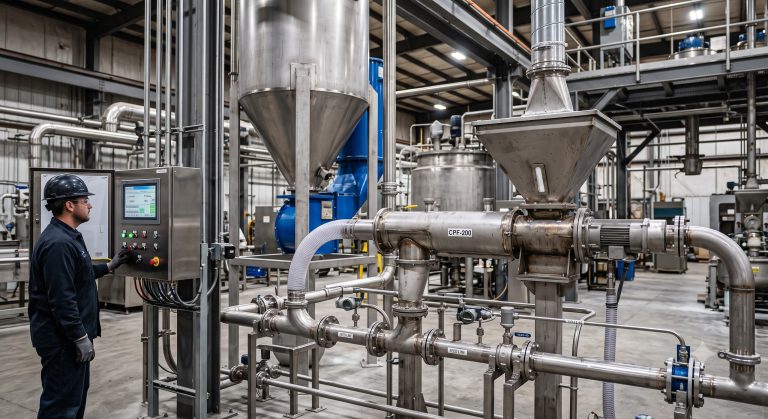
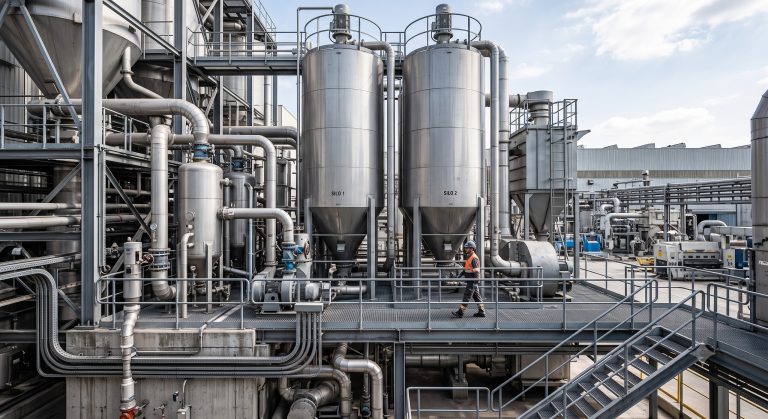
In the pharmaceutical, food, and biotech industries, cross-contamination is not merely a quality issue; it is a critical safety and regulatory violation. For powder handling lines that require frequent product changeovers, the ‘sanitary lift for clean areas’ represents the frontline defense against microbial growth and particulate residue. Traditional rotary valves, with their complex internal geometries and hard-to-reach crevices, often become contamination hotspots. This technical guide explores how Doebritz engineered its sanitary lift for clean areas, focusing on the demountable quick-release design, surface finish metallurgy, and compliance with stringent FDA and GMP standards, ensuring operators can achieve repeatable cleanliness without sacrificing production efficiency.
Demountable Design: The Engineering of Rapid Cleanability
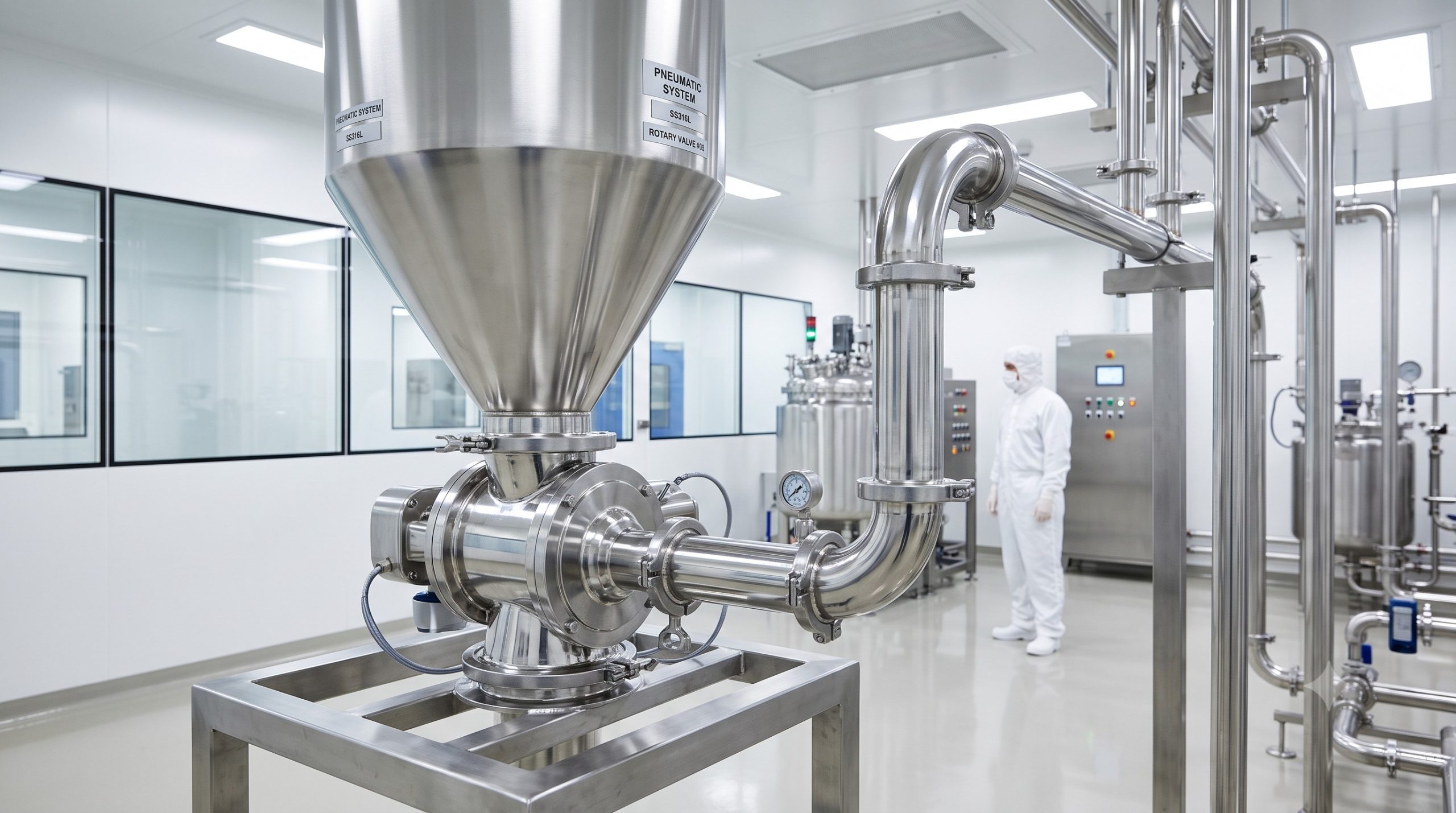
The core differentiator of the Doebritz sanitary lift is its tool-less, quick-release structural architecture. Unlike standard flanged connections that require extensive man-hours for disassembly, the Doebritz design allows a single operator to dismantle the valve body from the conveying line in minutes. This quick-release rotary valve mechanism eliminates the bottlenecks associated with manual cleaning, directly reducing downtime in high-turnover production environments.
Structural Integrity and Seal Management
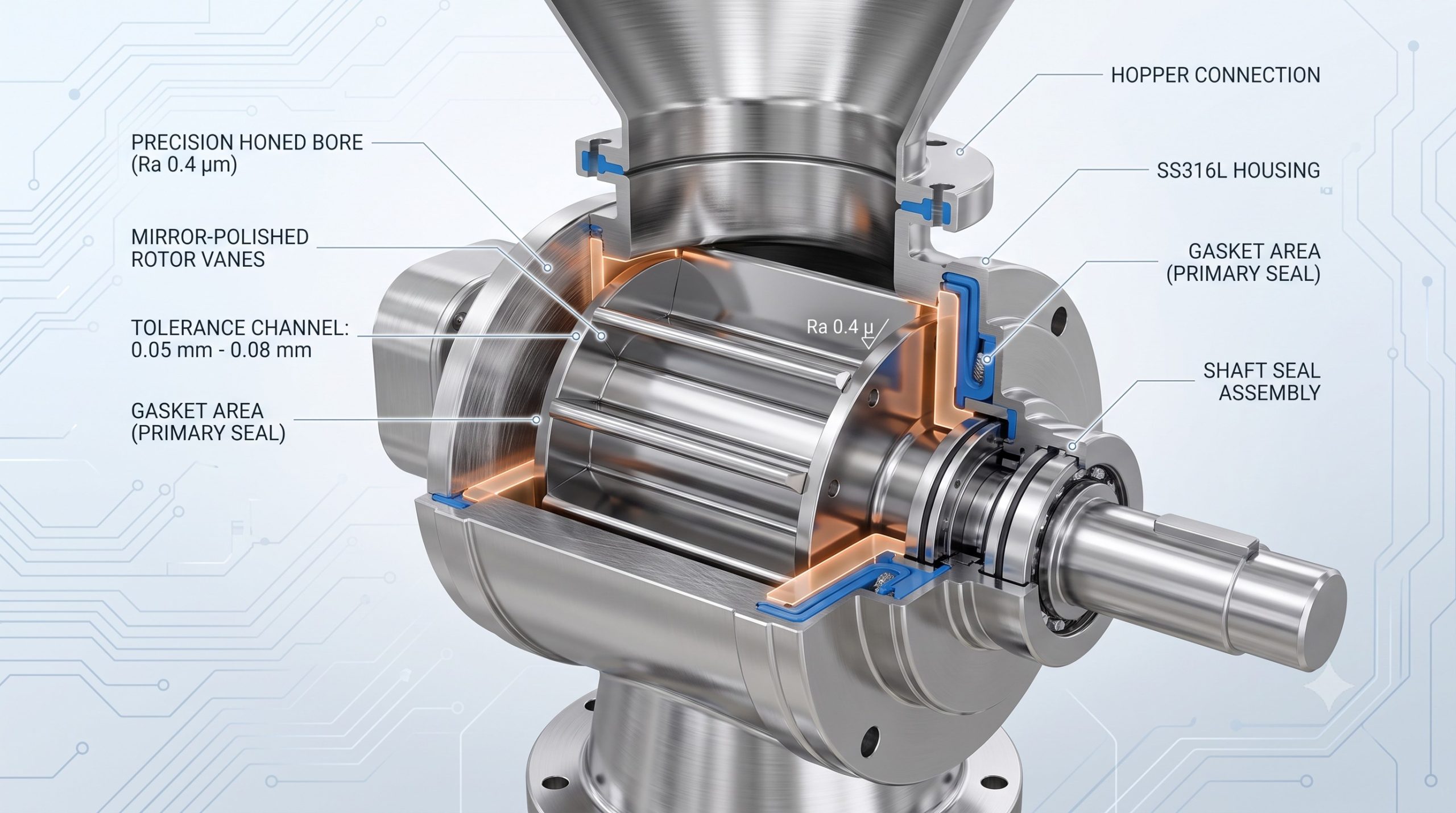
Maintaining a seal during high-speed disassembly and reassembly requires precision engineering. The Doebritz sanitary lift utilizes a precision-machined interface between the rotor and the housing. For clean area applications, the shaft sealing technology transitions from standard packing to advanced lip seal air-tight seals, which prevent product ingress into the bearing housing. This is crucial because the bearing area is a common source of lubricant contamination. The design ensures that cleaning solutions do not penetrate the gearbox or bearing assemblies during CIP cycles, extending the mean time between failures (MTBF) to over 8,000 operational hours.
Metallurgy and Surface Finish for Hygiene
Material selection is paramount in sanitary applications. The Doebritz sanitary lift is fabricated from high-grade SUS316L stainless steel. This alloy offers superior resistance to the corrosive effects of acidic cleaning agents (CIP chemicals) and saline environments typical of pharmaceutical processing. The inner surfaces are subject to rigorous finishing protocols, achieving a Ra ≤ 0.4 μm mirror polish. This mirror finish serves a dual purpose: it prevents the adhesion of sticky or moist powders (reducing the likelihood of bio-burden), and it eliminates surface imperfections where bacteria can colonize. Furthermore, the elimination of dead zones in the valve body ensures that airlock efficiency is maintained even under low differential pressure conditions, ensuring clean air lock functionality without product degradation.
Technical Specifications: Sanitary Lift Parameters
The performance of a sanitary lift in clean areas is quantified by its ability to maintain pressure while being cleaned. The following table outlines the critical engineering specifications of the Doebritz DBR-1237 model configured for high hygiene applications.
| Key Parameter | Technical Specification |
|---|---|
| Material of Construction | SUS316L Stainless Steel |
| Internal Surface Finish | Mirror Polish (Ra ≤ 0.4 μm) |
| Rotor-to-Housing Clearance | 0.1 – 0.2 mm |
| Max Differential Pressure | 1.5 Bar (150 kPa) for Sanitary Config |
| Operating Temperature Range | 0°C to 120°C (Product Temperature) |
| Shaft Seal Type | Lip Seal with Air Purge Connection |
| Cleaning Compatibility | CIP, WIP, and Manual Quick-Release Disassembly |
| Compliance | FDA (21 CFR), EHEDG, CE, ATEX (Zone 20/21/22) |
Compliance and Certification Framework
A critical component of deploying a sanitary lift in regulated industries is the adherence to global safety and hygiene standards. The Doebritz system is designed to meet the rigorous requirements of the FDA (Code of Federal Regulations Title 21) for food contact, EHEDG (European Hygienic Engineering & Design Group) guidelines, and CE machinery directives. In powder handling operations that involve combustible dusts, the unit is available with ATEX certification for Zone 20/21/22, featuring a robust pressure shock resistance of up to 16 bar. This combines the sanitary requirements with explosion safety, allowing facilities to operate a single, versatile valve for both sugar handling (food) and pharmaceutical active ingredients (API) without compromising safety.
Operational Scenarios: Clean-in-Place (CIP) Integration
The sanitary lift is designed to support the 3-A Sanitary Standards for CIP systems. In a typical pharmaceutical scenario, after discharging a batch of hormone-based powders, the valve initiates an automated CIP cycle. The smooth internal geometry, combined with the quick-release access, allows spray balls to reach all product-wetted parts. This process is managed via PLC control, which monitors flow rates, temperatures, and durations to ensure validation parameters are met. For applications requiring higher scrutiny, such as vaccine production, the valve supports WIP (Wash-in-Place) procedures followed by manual visual inspection, facilitated by the easy access to the rotor chamber. This flexibility makes it an ideal choice for powder handling lines requiring rapid changeover from one product to another, ensuring that the production schedule is met without compromising the sterility or purity of the end product.
Conclusion
The Doebritz sanitary lift for clean areas redefines the standards of hygiene in bulk powder processing. By integrating a demountable quick-release structure, precision-machined seal interfaces, and high-grade stainless steel with superior surface finishes, it provides a robust solution for minimizing contamination risks and maximizing operational up-time. For engineering and plant managers tasked with maintaining GMP compliance while improving line efficiency, the Doebritz valve offers a data-backed, regulatory-compliant answer that bridges the gap between rigorous sanitation demands and robust material conveying performance.