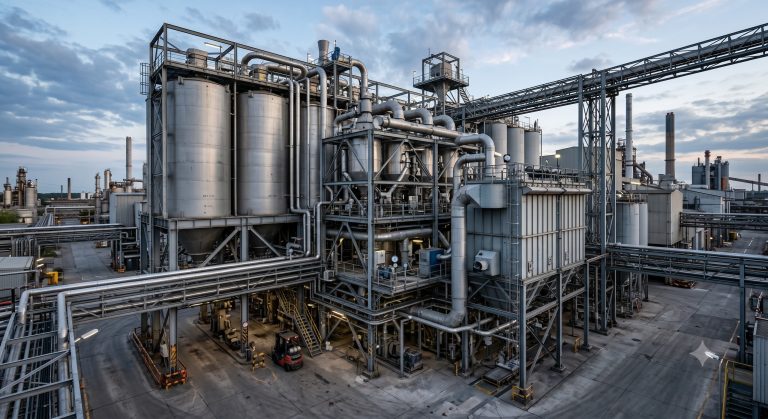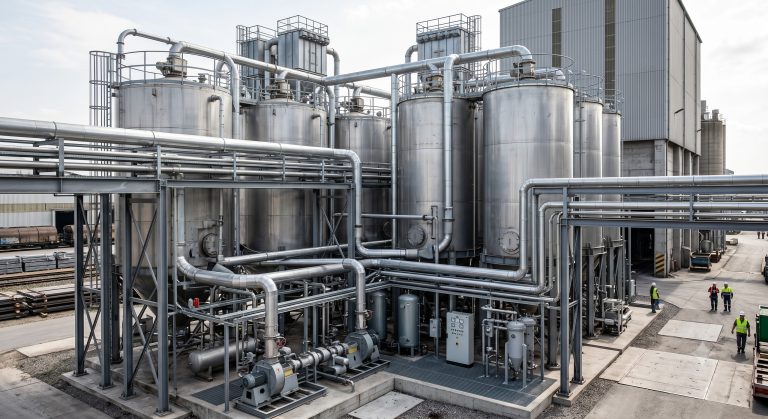
Introduction: The Critical Role of Vibrating Tube Feeders in Bulk Solids Handling
In the realm of industrial powder and bulk solids processing, the vibrating tube feeder represents a fundamental solution for metering and conveying a wide spectrum of materials. From friable food ingredients to abrasive minerals, these devices provide a reliable, low-maintenance method for precise material flow. However, the selection, integration, and optimization of a vibrating tube feeder require a deep understanding of mechanical engineering principles, material science, and system dynamics. This comprehensive guide delves into the metallurgy, clearance specifications, and sizing methodologies that define the performance and longevity of these critical system components. We will explore how a robust design, such as that engineered by Doebritz, contributes to unparalleled efficiency and reliability in even the most demanding industrial environments. The discussion will center on the critical design parameters that ensure efficient, reliable, and safe operation, from handling cohesive powders to heavy, abrasive pellets.
Housing & Rotor Engineering: The Foundation of Feeder Durability
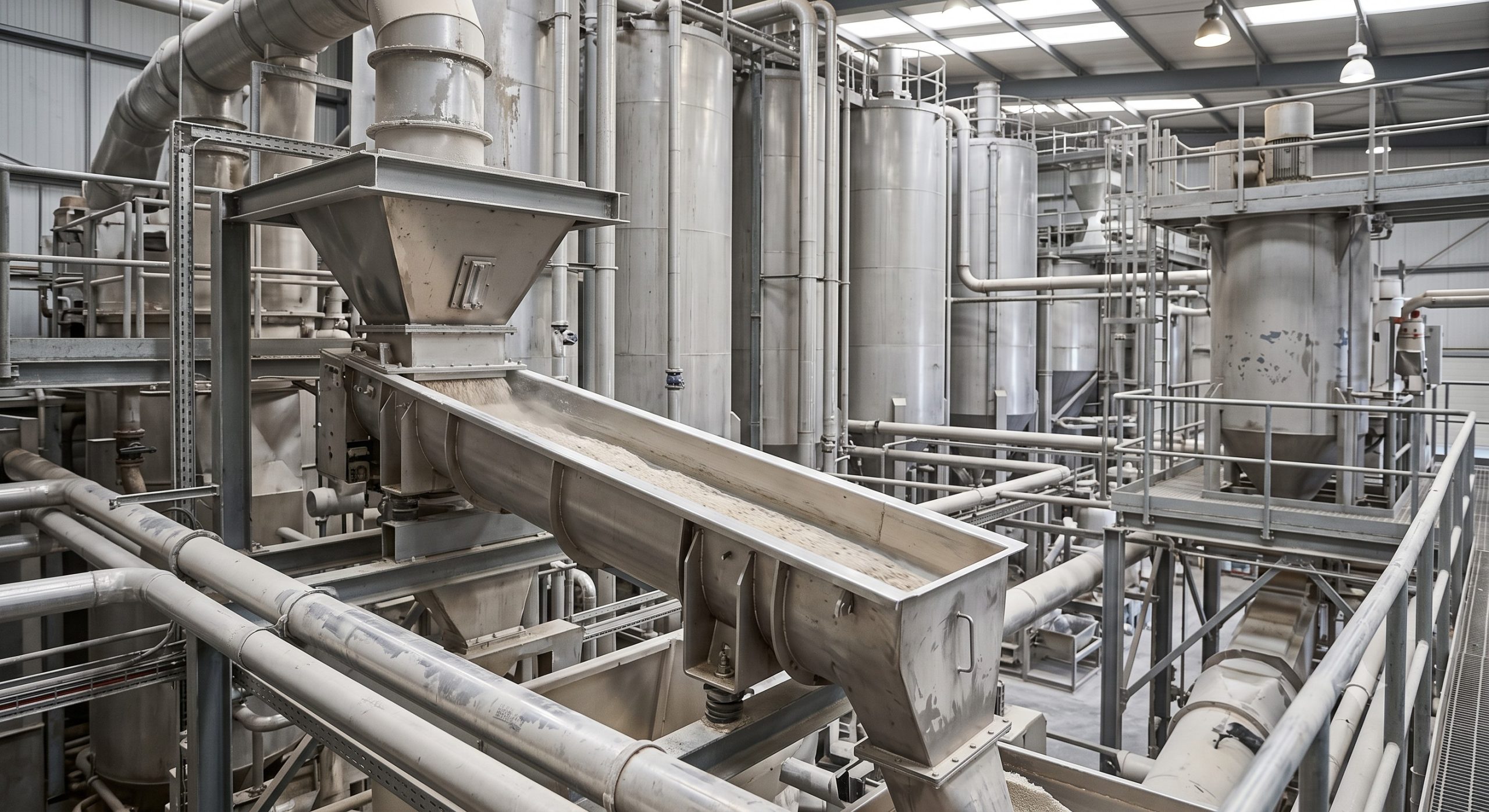
The performance of a vibrating tube feeder is intrinsically linked to the quality of its construction. The housing and its internal components must withstand constant vibration, material impact, and environmental factors. Doebritz emphasizes heavy-duty engineering, utilizing high-grade metallurgy and precision manufacturing to ensure a long service life and consistent performance. The selection of materials, from robust carbon steel to corrosion-resistant stainless steel (SUS304, SUS316L), is tailored to the specific application. For highly abrasive materials, the housing and contact surfaces can be engineered with advanced coatings, including tungsten carbide and ceramic coatings, which dramatically reduce wear rates. The internal design of the feeder tube is equally critical, as it directly influences material flow characteristics.
Metallurgy and Surface Treatment for Extended MTBF
Choosing the correct metallurgy is the first step in ensuring a long Mean Time Between Failures (MTBF). For standard industrial applications, a carbon steel housing with a protective paint or nickel-plating offers a cost-effective solution. In contrast, the food, pharmaceutical, and chemical industries mandate the use of stainless steels like SUS304 and SUS316L to comply with stringent hygiene and corrosion resistance standards. The internal surface finish is a critical parameter, especially in sanitary applications where product adherence and bacterial growth must be minimized. Doebritz offers a range of internal finishes, from a standard machined surface to a mirror-polished finish with an Ra ≤ 0.4 μm, ensuring easy cleaning and contamination prevention. This level of detail is essential for meeting FDA and EHEDG guidelines.
Technical Specifications: A Data-Driven Evaluation
A thorough evaluation of any industrial feeder requires a detailed analysis of its technical specifications. These metrics provide a quantitative basis for performance comparison and system sizing. The capacity, measured in liters per revolution or tons per hour, must be matched to the process requirements. The feeder’s ability to handle differential pressure, its operating temperature range, and its compatibility with various control systems are equally crucial factors. Doebritz feeders are designed to deliver predictable and repeatable performance across a wide range of operating conditions. Key parameters such as rotor tip speed, clearance tolerances, and drive power are meticulously calculated to optimize feed rate and minimize material degradation. A key metric in many applications is the differential pressure the feeder can withstand without unacceptable air leakage, particularly when integrated into pneumatic conveying systems.
| Key Parameter | Technical Specification | Doebritz Standard Offering |
|---|---|---|
| Feeder Capacity | 1 to 100+ tons/hour | Custom-engineered based on material density and flow characteristics |
| Drive Power | 0.55 kW to 15+ kW | Matched to application load and required conveying rates |
| Material of Construction | Carbon Steel, SUS304, SUS316L | Selection based on application (abrasive, corrosive, sanitary) |
| Internal Surface Finish | Ra ≤ 0.4 μm (mirror), 0.8 μm, 1.6 μm | Customizable for sanitary or wear-resistant requirements |
| Operating Temperature | -15°C to +60°C (Ambient) | Special designs available for extreme temperatures |
Heavy-Duty Application Scenarios
The versatility of the vibrating tube feeder is best demonstrated through its application across diverse industries. In the chemical and petrochemical sectors, these feeders are used to handle a wide array of materials, from fine, free-flowing powders like titanium dioxide to hygroscopic pellets like PA and PTA. The feeder’s sealed design prevents fugitive dust emissions, enhancing plant safety and environmental compliance. In the food and beverage industry, the feeder’s sanitary design is paramount. Its ability to be quickly disassembled for cleaning is essential for preventing cross-contamination and ensuring product purity. For applications with stringent hygiene requirements, Doebritz offers a fully demountable feeder design. This allows for complete access to all product-contact surfaces, facilitating manual cleaning, online CIP (Clean-in-Place), and WIP (Wash-in-Place) cleaning processes, which are critical for meeting the rigorous standards of the food and pharmaceutical sectors.
Conclusion: Maximizing Efficiency and Reliability with the Right Feeder
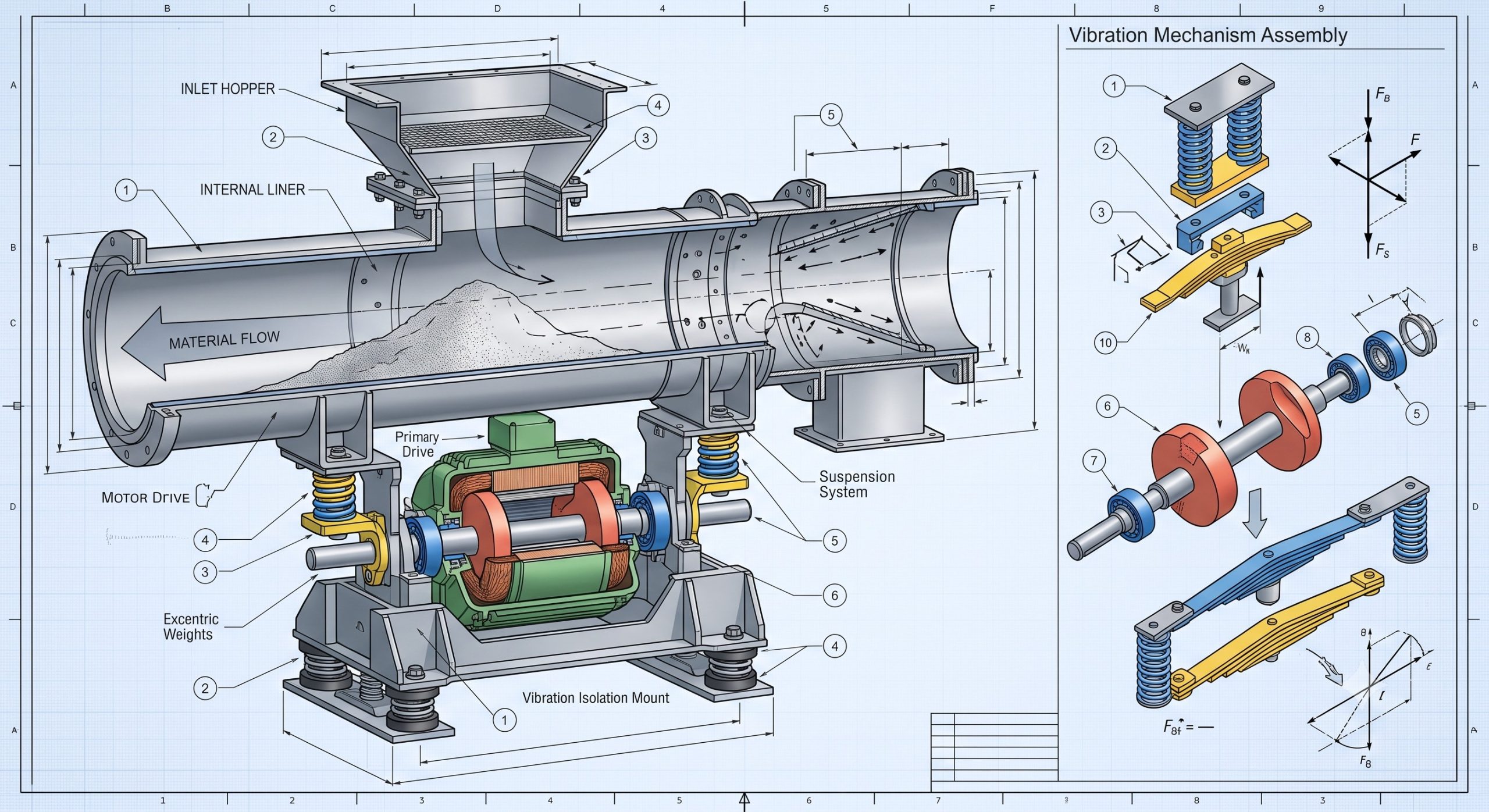
The vibrating tube feeder is a cornerstone of modern bulk solids processing, offering a robust and versatile solution for material handling. However, its success hinges on a detailed engineering analysis that considers the material properties, process conditions, and operational goals. From the choice of metallurgy and surface treatment to the precision of the drive system and control interface, every element must be optimized to deliver long-term reliability and efficiency. Doebritz’s expertise in engineering these systems ensures that each feeder is not just a component, but an integrated solution designed to maximize productivity and minimize total cost of ownership. By focusing on the core principles of material science, precision engineering, and application-specific customization, Doebritz provides the industrial backbone for efficient and safe material handling across the globe. Choosing a Doebritz vibrating tube feeder is an investment in a future of reliable, high-performance bulk solids processing.