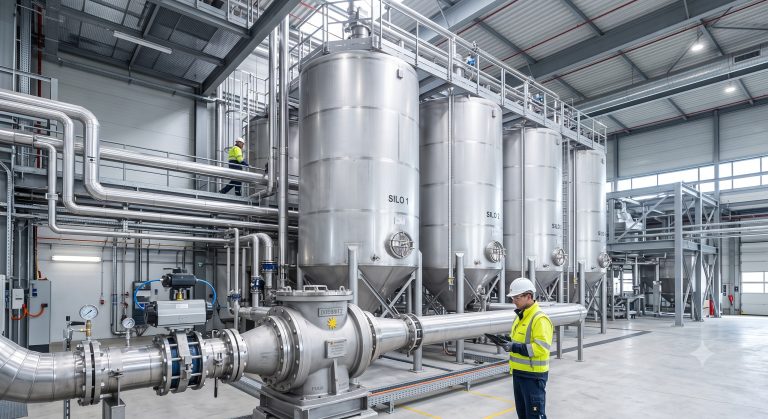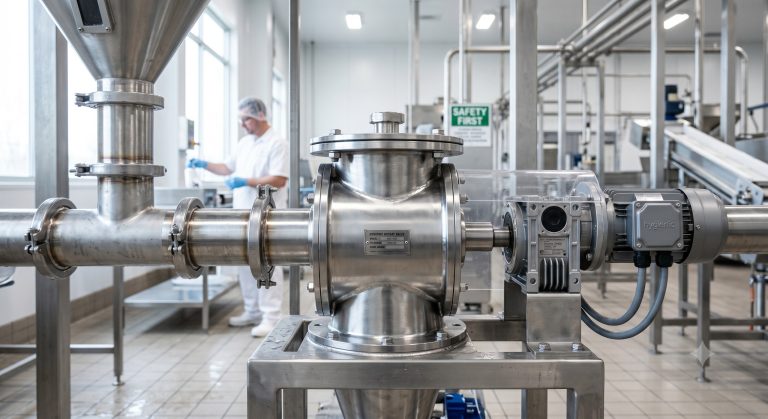
Introduction: The Critical Role of the Quick-release Airlock Valve in Grain Processing
In the high-stakes world of industrial grain processing, the integrity of your pneumatic conveying system hinges on a single, often underappreciated component: the rotary airlock valve. For plant managers, process engineers, and maintenance leads, the choice of this device is not merely a procurement decision; it is a strategic investment that dictates throughput efficiency, product purity, and operational safety. The Doebritz Grains Quick-release airlock valve represents a paradigm shift in this critical technology, engineered to address the specific challenges of handling delicate, abrasive, and highly combustible grain dusts. This comprehensive guide delves into the engineering, metallurgy, and performance metrics that define this advanced system.
This article, informed by over 15 years of mechanical engineering experience in bulk solids handling, provides a deep dive into the Doebritz quick-release rotary valve. We will explore its advanced features, from its precision-machined clearances to its robust explosion-proof design, offering a data-driven evaluation of its capabilities. Whether you are specifying equipment for a new silo installation or retrofitting an existing line, this guide will equip you with the technical knowledge necessary to optimize your system’s performance.
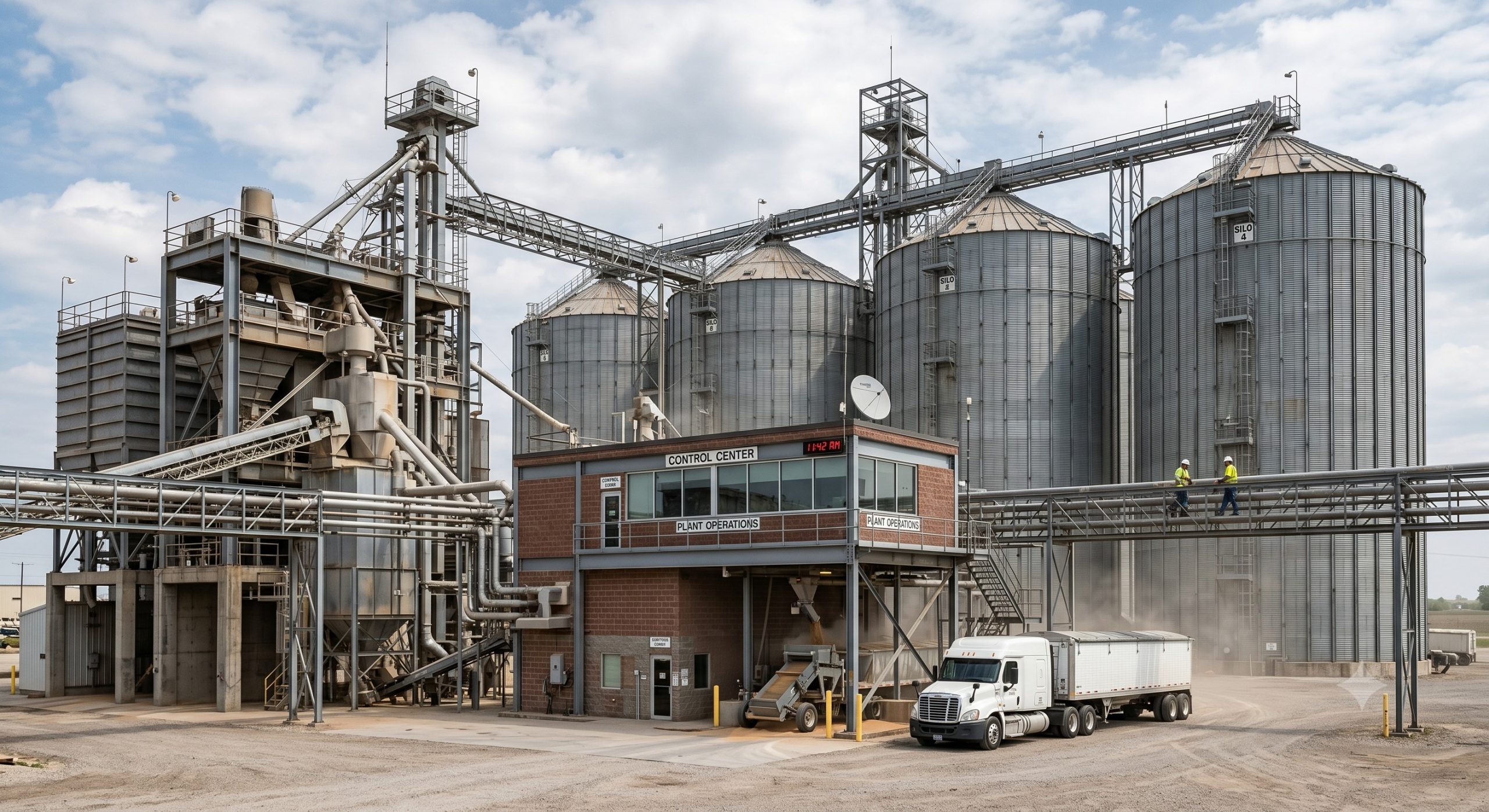
Pain Points in Pneumatic Conveying: What the Doebritz Valve Solves
Traditional rotary valves, often used for star discharge valve applications, suffer from a host of issues that lead to production bottlenecks, environmental contamination, and severe safety risks. Common challenges in grain handling include:
- Air Leakage and Blowback: Inefficient sealing allows conveying air to leak backward, reducing system pressure, increasing energy consumption, and causing material to blow back into the feeding hopper. This can lead to erratic flow and reduced capacity.
- Material Jamming and Degradation: Abrasive grains like corn or soybeans can wear down rotor and housing components, while sticky or high-moisture grains can cause build-up, leading to rotor jamming, motor stalls, and costly downtime.
- Explosion Hazards: Grain dust is highly explosive. Without proper ATEX certification and explosion-relief features, a static spark or frictional heat can trigger a catastrophic event.
- Sanitation and Cross-Contamination: In food-grade applications, the inability to clean a valve quickly and thoroughly can lead to mold growth, insect infestation, and cross-contamination, violating strict FDA and EHEDG standards.
The Doebritz DBR-1237 addresses these pain points through a holistic engineering approach that prioritizes precision, safety, and maintainability. It is not just a valve; it is a precision tool designed for the rigorous demands of the modern grain industry.
Engineering Superiority: Metallurgy and Precision of the Doebritz Quick-release Rotary Valve
The core of the Doebritz airlock feeder‘s performance lies in its superior metallurgy and engineering tolerances. The selection of materials directly impacts the valve’s longevity and ability to maintain a critical airlock seal under continuous operation.
Housing Casting and Material Selection
The housing is manufactured using precision casting techniques to ensure structural integrity and dimensional stability. Depending on the specific application and the corrosiveness of the material, the Doebritz rotary valve can be specified in a variety of materials:
- SUS304/SUS316L Stainless Steel: For food and pharmaceutical-grade applications requiring complete corrosion resistance and easy sanitation. The Doebritz sanitary rotary valve with a mirror-polished finish ensures no product accumulation.
- Carbon Steel (Painted or Nickel-Plated): An economical choice for general-purpose grain handling where corrosion is less of a concern.
- Wear-Resistant Alloys & Coatings: For highly abrasive grains or extreme duty cycles, the housing can be lined with tungsten carbide or ceramic coatings, offering a hardness that significantly extends the component’s service life.
CNC Precision and Critical Clearances
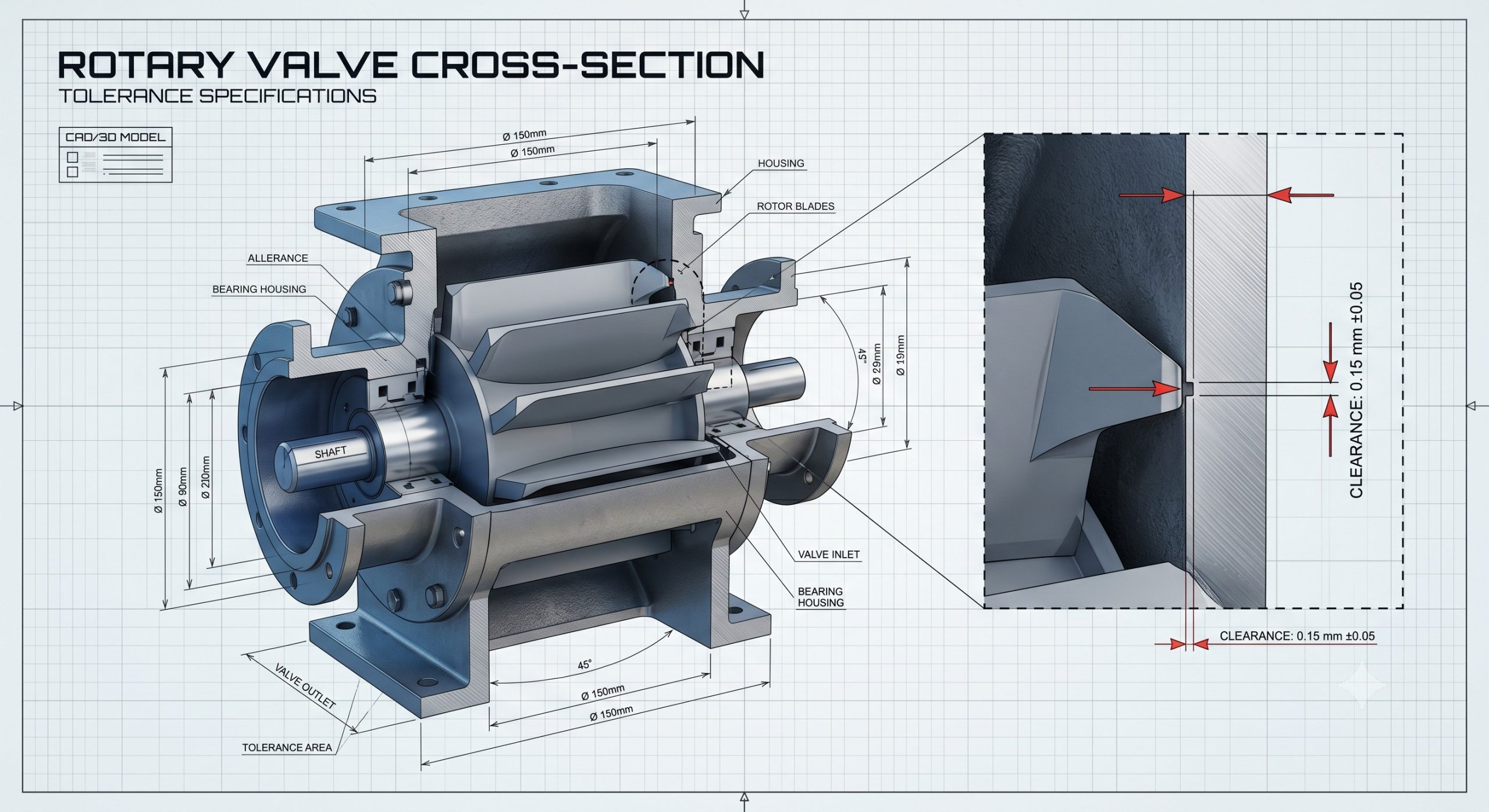
The defining characteristic of an efficient lock valve is its ability to maintain a tight seal while allowing free rotor movement. The Doebritz heavy-duty rotary valve achieves this through stringent CNC machining, resulting in rotor-to-housing clearances of 0.1-0.2mm. This precision is vital because:
- It minimizes differential pressure leakage, ensuring that the pneumatic conveying system operates at its intended pressure with maximum energy efficiency.
- It prevents soft or fine particles from lodging between the rotor tips and housing, which can cause binding and wear.
- It maintains the volumetric efficiency (L/rev) of the star feeder valve, ensuring consistent and reliable metering of the product.
The rotor itself features a robust design, often with chamfered edges and a specific number of vanes optimized for the material. For sticky grains, a specialized rotor design prevents material packing and ensures a complete discharge of product from each pocket.
Technical Specifications and Performance Benchmarks
To effectively size and integrate the Doebritz rotary airlock valve into your system, understanding its technical parameters is essential. The table below provides a snapshot of the standard specifications for the DBR-1237 series.
| Key Parameter | Technical Specification (Doebritz DBR-1237) | Engineering Significance |
|---|---|---|
| Max Differential Pressure | 1.0 Bar (0.4 to 1.0 Bar with VFD) | Ensures stable operation in dense phase systems; low leakage reduces energy costs. |
| Operating Temperature | -15°C to +60°C (Ambient) / 0 to 120°C (Material) | Wide range supports high-temp drying applications; optional water cooling jacket available. |
| Rotor-to-Housing Clearance | 0.1 – 0.2 mm | Minimizes air leakage and particle jamming; critical for maintaining volumetric efficiency. |
| Construction Material | SUS304, SUS316L, Carbon Steel, Tungsten Carbide Coating | Allows customization for food-grade, corrosive, or highly abrasive grain applications. |
| ATEX Certification | Zone 20/21/22 Compliant | Essential for safety in explosive grain dust environments; reduces fire and explosion risk. |
| Flange Connection | HG20592 (DN50 to DN350) | Ensures a standard, secure connection to the existing hopper and conveying pipework. |
| Rotor Speed Control | Variable Frequency Drive (VFD) | Enables precise metering and flow control for batch and recipe-based processes. |
| Shaft Seal Type | Lip Seal with Air Purge / Packing Gland | Prevents product leakage and ingress of contaminants; extends bearing life. |
Decoding the Key Parameters
- Max Differential Pressure: This is a critical metric for a pressure-resistant rotary valve. The Doebritz valve is built to handle high differential pressures, essential for dense phase pneumatic conveying. Its robust construction prevents deformation or failure under high pressure, while the 0.1-0.2mm clearances ensure air leakage is kept to a minimum, preserving conveying efficiency.
- Volumetric Capacity (L/rev): This figure represents the theoretical volume of material discharged per revolution. It is a key input for calculating throughput (kg/hr). However, actual capacity is influenced by fill efficiency, which depends on the product’s flow properties and the system’s conveying pressure. The Doebritz unit is designed to maximize fill efficiency, ensuring the rated capacity is consistently achieved.
- Operating Temperature Range: While the standard model is suitable for ambient grain temperatures, the option for a water cooling jacket allows the valve to handle materials up to 120°C, a common requirement when handling hot grains coming from dryers. This cooling capability protects the shaft seals and prevents lubricant degradation, extending maintenance intervals.
Heavy-Duty Application Scenarios: The Doebritz Advantage in Practice
The Doebritz quick-release lock valve is designed for versatility across the entire grain value chain. Its robust construction and precision design make it the preferred choice for a variety of demanding applications.
1. Silo Discharge and Gravimetric Metering
In a typical silo discharging application, the Doebritz feeder is installed directly under the hopper’s outlet. Its primary role is to provide a steady, controlled flow of grain into a downstream pneumatic line or mechanical conveyor. By integrating with a PLC, the valve can provide precise batch or continuous metering. The ability to adjust the rotor speed via a Variable Frequency Drive (VFD) allows operators to fine-tune the feed rate with exceptional accuracy, ensuring that downstream processes receive a consistent supply of raw material. This level of control is essential for modern automation and recipe management.
2. Dense Phase and Dilute Phase Pneumatic Conveying
The Doebritz airlock unit excels in both positive and negative pressure pneumatic conveying systems. In a positive pressure system, it acts as an airlock, preventing the high-pressure conveying air from escaping through the inlet hopper. Its ultra-tight clearances are particularly beneficial here, significantly reducing the air leakage that can cause system pressure drops and increased energy costs. For negative pressure (vacuum) systems, the valve maintains the vacuum seal, ensuring efficient and consistent suction of the grain. The ATEX-certified Doebritz valve can be specified with explosion-proof motors and is designed to withstand the pressures associated with these systems, providing a safe and reliable solution for handling combustible grain dusts.
3. Custom Engineering for Specific Materials
While the standard Doebritz DBR-1237 is highly capable, the modular design philosophy allows for extensive customization to handle specific material challenges. For instance, when handling highly abrasive materials like rice or certain seed varieties, the valve can be equipped with a tungsten carbide coating. This extends the life of the rotor and housing by a factor of 5-10x compared to standard steel, drastically reducing the total cost of ownership. For sticky materials like wet-milled corn or high-moisture soybeans, the rotor can be engineered to minimize contact points and prevent material buildup, ensuring reliable and continuous operation.
Conclusion: Engineering a Safer, More Efficient Future
The Doebritz Grains Quick-release airlock valve is more than a component; it is a critical engineering solution that addresses the fundamental challenges of modern bulk material handling. Its commitment to precision metallurgy, tight 0.1-0.2mm clearances, and a comprehensive safety design makes it the gold standard for demanding grain processing applications. By choosing the Doebritz solution, plant operators can expect enhanced system efficiency through lower air leakage, reduced maintenance costs via robust materials and a quick-clean design, and unparalleled safety with its ATEX and NFPA-compliant build.
Investing in the right rotary valve is investing in the health, safety, and profitability of your entire operation. The Doebritz heavy-duty rotary valve stands ready to meet the challenges of today and the future, providing a trustworthy, data-driven path to superior performance in the grain industry.