Overview
Handling flammable powders presents critical safety challenges in pneumatic conveying and gravity discharge systems. This FAQ addresses the most common technical questions from plant engineers and procurement managers regarding the Doebritz quick-release rotary valve’s capabilities for explosive atmospheres, focusing on ATEX compliance, explosion isolation, and safe operation with combustible dusts.
Frequently Asked Questions
- Q1: Is the Doebritz DBR-1237 rotary valve ATEX certified for handling flammable powders?
- Yes, the Doebritz DBR-1237 is ATEX certified and covers Zone 20, Zone 21, and Zone 22 for combustible dust atmospheres. This certification ensures the valve is designed to prevent ignition sources in explosive environments, with all necessary documentation and markings provided for compliance audits.
- Q2: What explosion isolation mechanisms does the Doebritz rotary valve offer?
- The Doebritz rotary valve provides direct explosion isolation through a combination of a robust 16bar pressure-rated housing and precision rotor-to-housing clearances of 0.1-0.2mm. This design acts as a mechanical barrier, containing any potential explosion within the system and preventing flame propagation to upstream or downstream equipment. The valve maintains its structural integrity during a deflagration event, effectively isolating the hazard.
- Q3: What specific ATEX zones are suitable for the Doebritz quick-release valve?
- The Doebritz DBR-1237 is suitable for ATEX Zone 20 (continuous presence of combustible dust), Zone 21 (likely presence), and Zone 22 (unlikely but possible presence). This broad certification makes it versatile for installation in various powder processing areas, from bagging stations to silo discharge points where explosive dust clouds may occur.
- Q4: Can the Doebritz valve handle the high pressures associated with dense phase pneumatic conveying of flammable materials?
- Yes, the Doebritz valve is engineered for high-pressure applications, with a pressure rating of 16bar for explosion-proof configurations. It is capable of handling dense phase pneumatic conveying with pressures up to 1bar in standard operation, and the robust housing and shaft sealing ensure no leakage, even under high differential pressure conditions.
- Q5: How does the Doebritz design prevent static electricity build-up when handling flammable powders?
- The Doebritz valve is constructed with static-dissipative materials and includes provisions for grounding to prevent static build-up. The use of stainless steel or conductive coatings, combined with proper earthing connections, ensures that any electrostatic charge generated during powder flow is safely dissipated, eliminating a potential ignition source in ATEX environments.
- Q6: What maintenance practices are recommended for ATEX-certified Doebritz valves to ensure continued safety?
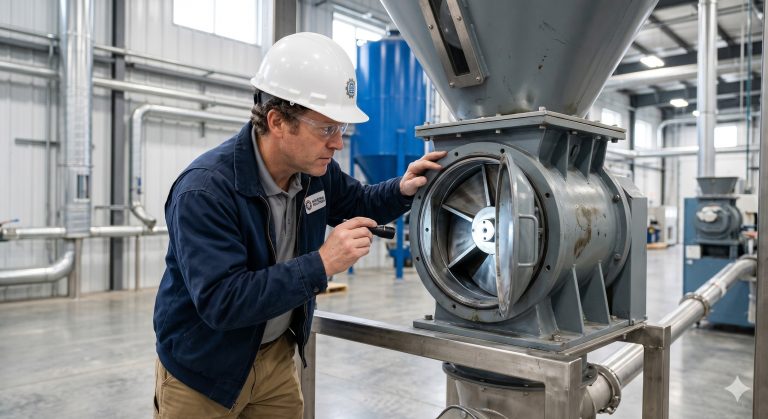
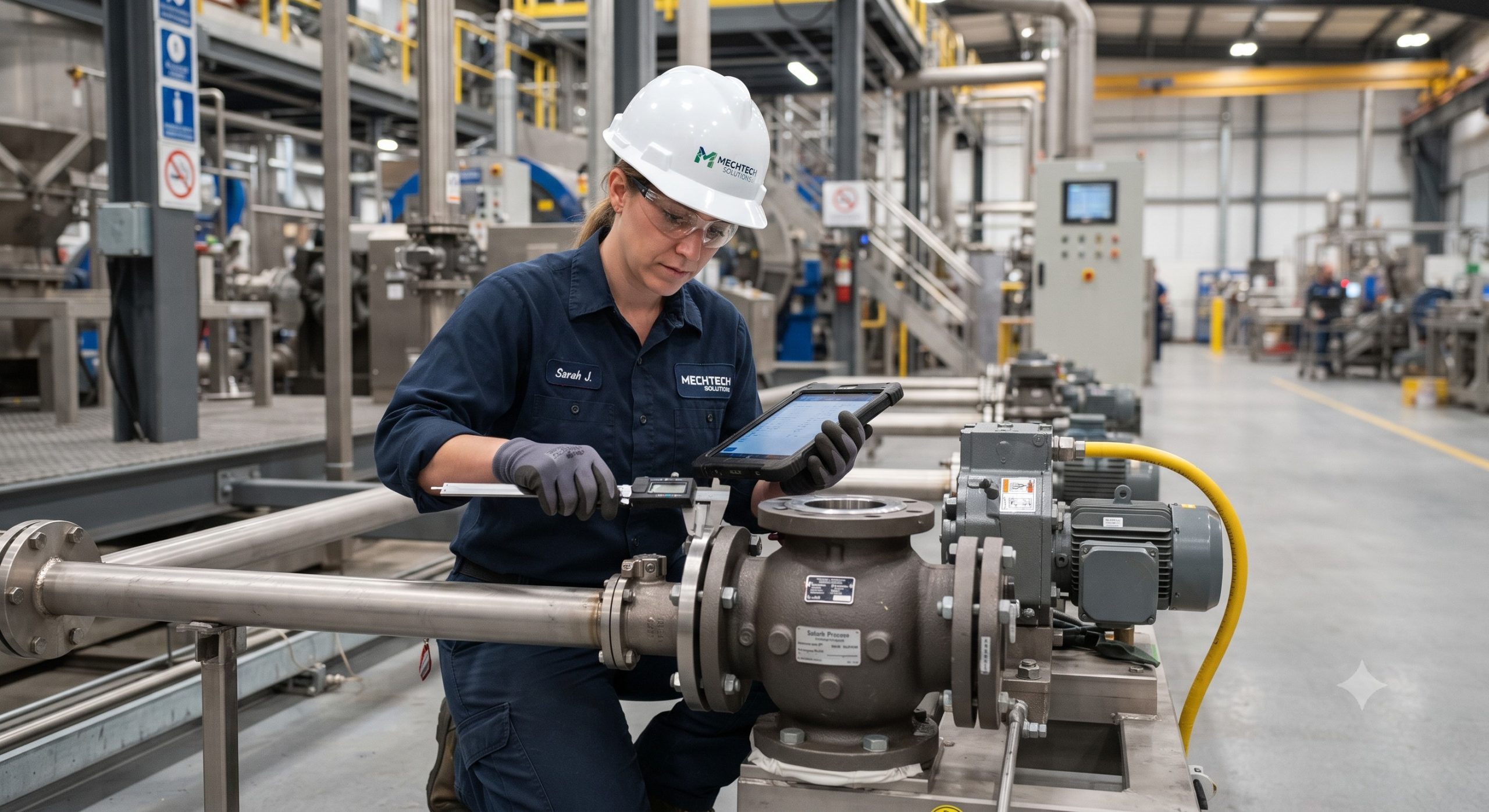
- Regular inspection of the rotor-to-housing clearance is crucial, as wear can increase this gap and reduce the valve’s explosion isolation effectiveness. Doebritz recommends documenting clearance measurements during routine maintenance. The quick-release design facilitates easy access for inspection and wear component replacement, ensuring the valve’s ATEX integrity is maintained over its operational life. All replacement parts must be genuine Doebritz components to preserve the certification.
- Q7: How does the Doebritz valve comply with international safety standards beyond ATEX?
- Beyond ATEX, the Doebritz DBR-1237 holds CE and TÜV certifications, confirming its compliance with European and international machinery safety, health, and environmental protection standards. These certifications provide independent verification of the valve’s design and manufacturing quality, offering global assurance for B2B buyers.