Overview
Doebritz metallurgical powder mixers are engineered for the demanding blending of metal powders, abrasive dusts, and high-temperature bulk solids in global B2B processing plants. This FAQ addresses critical pre-sales compliance and post-sales maintenance questions from procurement and maintenance managers.
Frequently Asked Questions
- Q1: Is the Doebritz metallurgical powder mixer ATEX certified for explosive metal dust atmospheres?
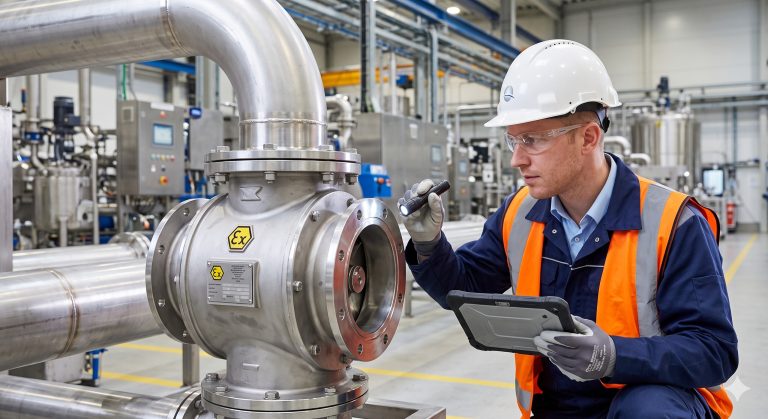
- Yes, select Doebritz metallurgical powder mixers are available with full ATEX Zone 21 and Zone 22 certification for combustible metal dusts. The certification includes documented Risk Assessment, grounding continuity, and temperature class T4 as standard. All ATEX-certified units feature explosion-vented housings and certified bearing isolators.
- Q2: How does the Doebritz mixer handle highly abrasive metallurgical powders like ferrosilicon or aluminum oxide?
- The Doebritz metallurgical powder mixer handles abrasive materials by incorporating Ni-Hard cast iron liners or hard-chrome plated internals as standard options. Key wear parts include:
– Replaceable abrasion-resistant paddles
– Hard-faced shaft sleeves
– Labyrinth seals with tungsten carbide contact faces.
Wear life is typically 3-5x longer than standard carbon steel mixers. - Q3: What flange and connection standards are supported for B2B plant integration?
- Doebritz metallurgical powder mixers are manufactured to both DIN (EN 1092-1) and ANSI (ASME B16.5) flange standards upon order. Common configurations include PN10, PN16 (DIN) and Class 150, Class 300 (ANSI). Custom inlet/outlet adapters for dust collectors and pneumatic conveying lines are also available.
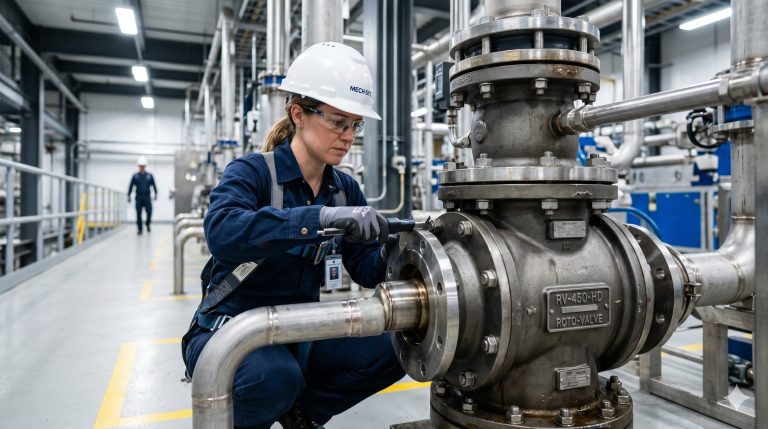
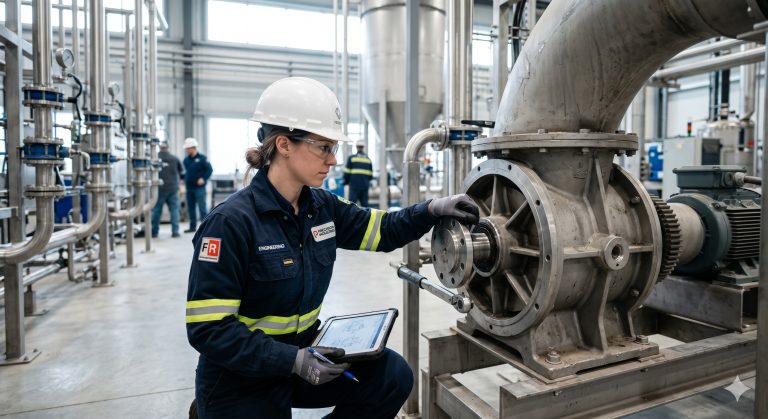
- Q4: How do I adjust the rotor-to-housing clearance on a Doebritz metallurgical powder mixer?
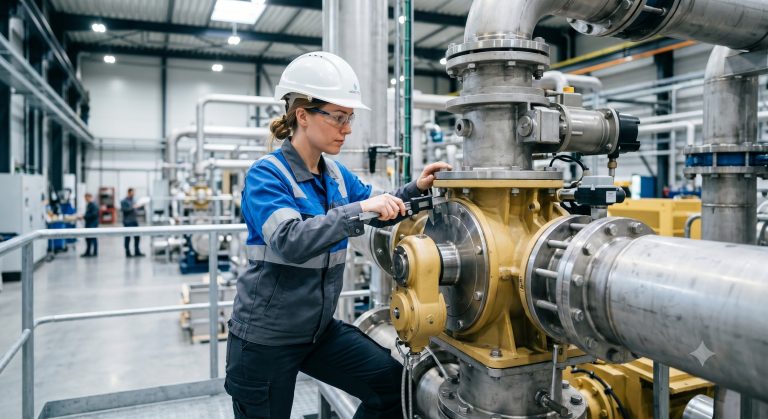
- Adjust rotor clearance by loosening the outboard bearing housing bolts, then turning the eccentric adjusting rings located on both endplates. Turn clockwise to decrease clearance (for fine powders) or counterclockwise to increase clearance (for coarse, sticky materials). Target clearance: 0.15-0.30 mm for metal powders. Re-torque bolts to 120 Nm after adjustment.
- Q5: What is the recommended maintenance schedule for outboard bearings?
- For Doebritz outboard bearings, regrease every 1,500 operating hours using a lithium-based NLGI 2 grease (e.g., Mobilgrease XHP 222). Replace bearings completely every 12,000 hours or during annual plant shutdown. Monitor bearing temperature: immediate inspection required if exceeding 80°C (176°F). Use stethoscope for abnormal noise detection monthly.
- Q6: Does the Doebritz mixer offer air purge seals for dust containment?
- Yes, the Doebritz metallurgical powder mixer features optional air purge seals as a standard upgrade for fine metal powder applications. The system uses 0.5-1.0 bar of clean, dry air injected into the sealing labyrinth, preventing dust migration into bearings. Purge air consumption is approximately 15-30 liters per minute per seal.
- Q7: What is the typical lead time for a Doebritz metallurgical powder mixer with abrasive-resistant liners?
- Standard Doebritz models (DN150 to DN500) ship within 4-6 weeks. Units with Ni-Hard liners or ATEX certification require 8-10 weeks due to specialized casting and inspection processes. Expedited 14-day Rush Service is available only for non-abrasive, non-ATEX carbon steel models.
- Q8: Can I retrofit an existing non-Doebritz mixer with Doebritz air purge seals?
- Retrofitting is possible but requires precise shaft and housing measurements. Doebritz offers a Field Retrofit Kit (Part # DR-APK-xx) that includes clamped seal housings, carbon ring faces, and a pressure regulator. A certified Doebritz technician must perform the installation to maintain warranty (typical retrofit cost: $2,800-$4,500 depending on size).