Introduction: The Critical Role of the Automatic Powder Feeding Station
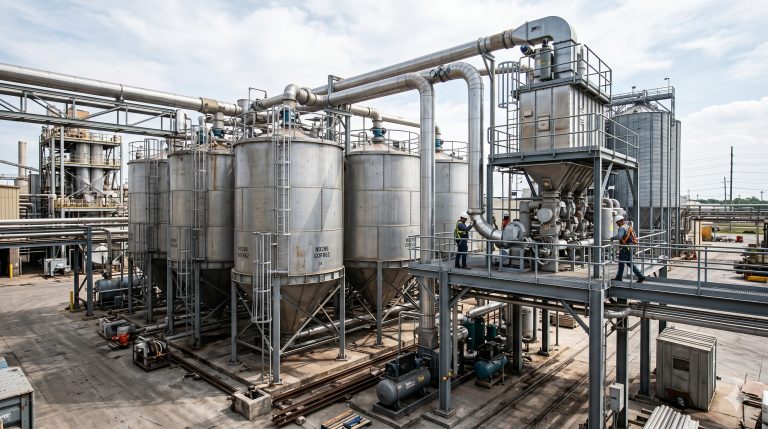
In the realm of bulk material handling, the automatic powder feeding station serves as the pivotal interface between raw material storage and downstream processing. For plant engineers and operations managers, the reliability, hygiene, and efficiency of this equipment directly translate to production throughput, product quality, and overall profitability. This guide provides a deep dive into the engineering principles, technical specifications, and operational advantages of a modern automatic powder feeding station, focusing on the high-performance solutions offered by Doebritz. We will explore the critical aspects of metallurgy, precision clearances, and system sizing to ensure optimal performance in even the most demanding industrial environments.
Housing & Rotor Engineering: The Heart of the Feeding Station
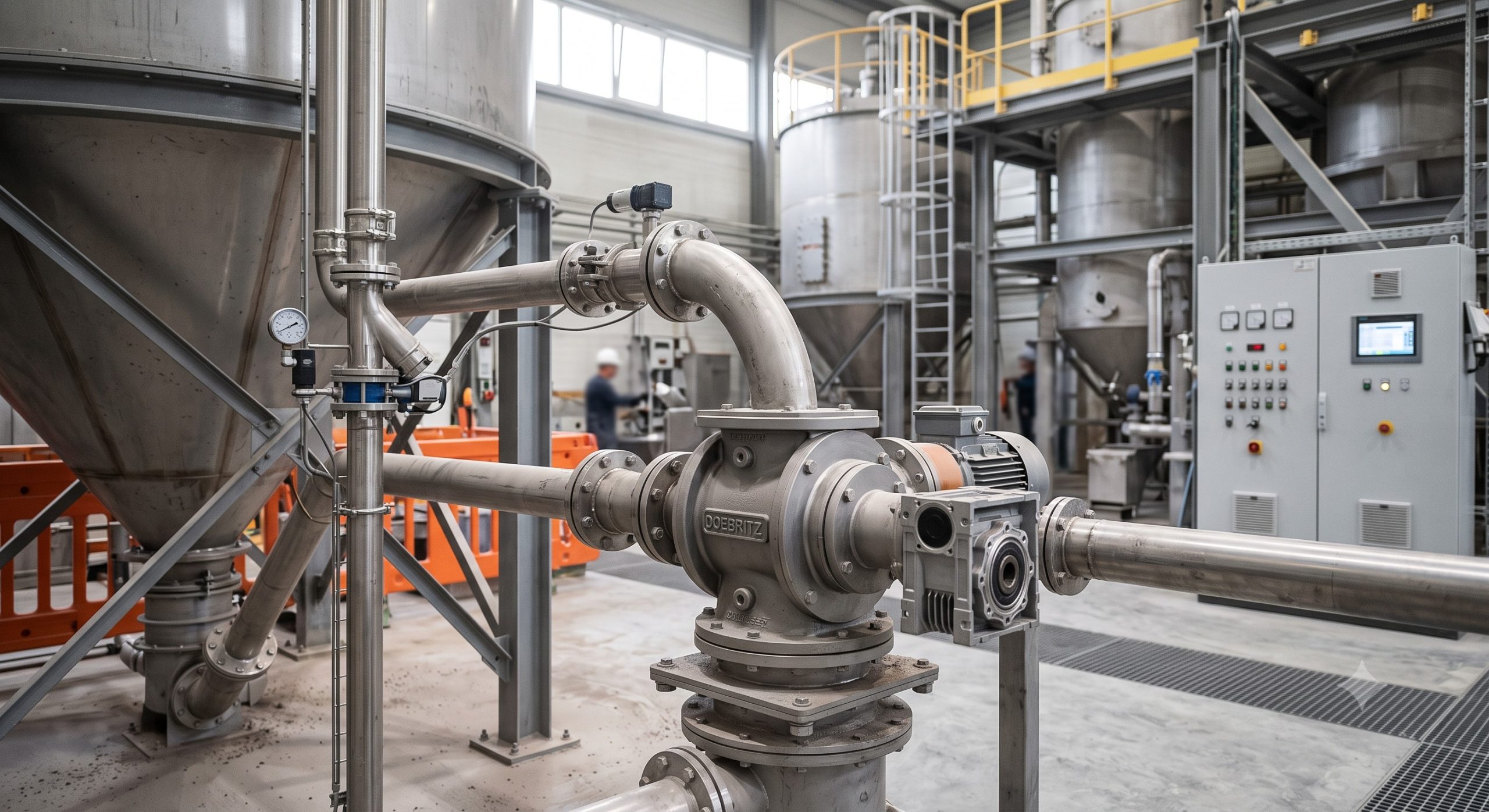
The durability and performance of an automatic powder feeding station are dictated by its core components. The housing and rotor are engineered to withstand constant wear, differential pressures, and the rigors of continuous operation. Doebritz’s automatic powder feeding station is built with a focus on robust construction and precision engineering, utilizing high-grade materials and advanced manufacturing techniques.
Metallurgy for Longevity
The choice of material for the housing and rotor is paramount. For standard applications, SUS304 (SUS304) offers excellent corrosion resistance and value. In more aggressive environments, such as those handling acidic or highly abrasive materials, SUS316L (SUS316L) provides superior resistance to pitting and crevice corrosion. For heavy-duty wear applications, Doebritz employs advanced coatings and materials. These include carbon steel with tungsten carbide coating, ceramic coatings, and even polymeric materials like PE and PTFE. These solutions significantly extend the lifespan of the equipment, reducing downtime and total cost of ownership. For instance, a tungsten carbide-coated rotor can achieve a surface hardness of over 70 HRC, making it ideal for handling abrasive materials like carbon black, titanium dioxide, and lithium battery cathode materials.
Precision CNC Machining and Clearances
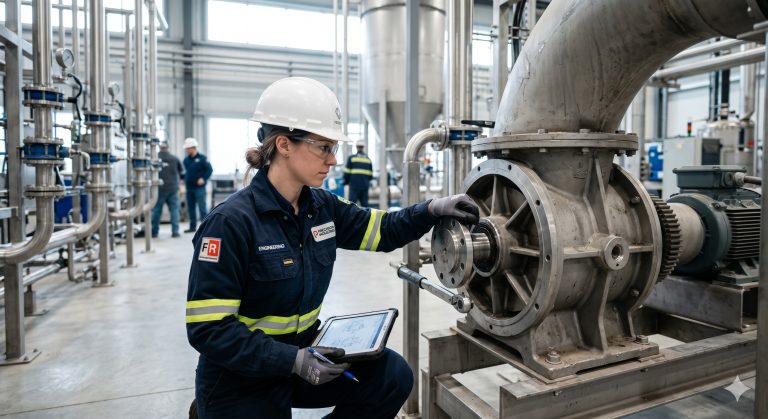
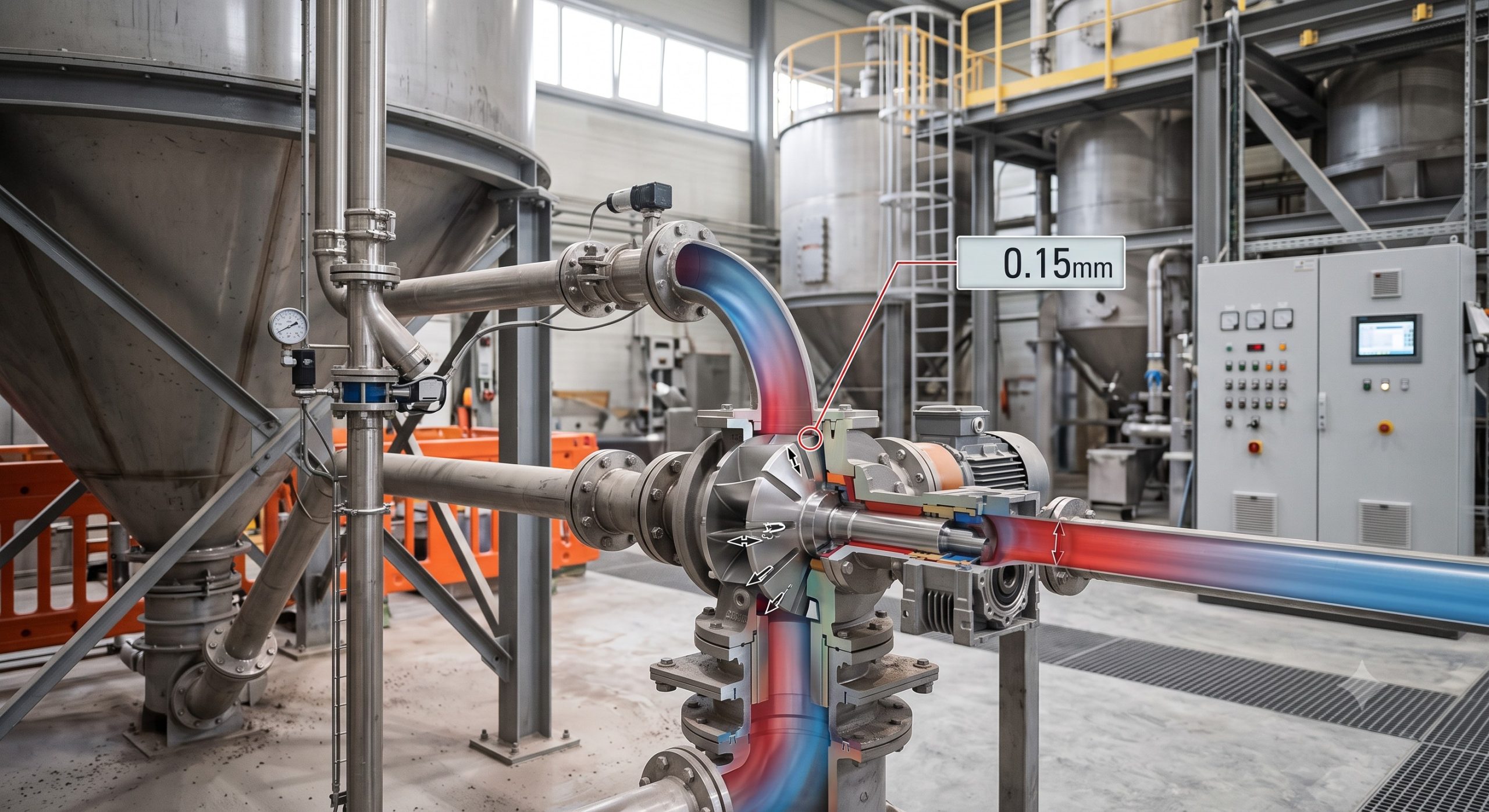
One of the most critical engineering parameters in a rotary valve is the clearance between the rotor and the housing. This gap is a direct determinant of air leakage and volumetric efficiency. Doebritz’s automatic powder feeding station is manufactured using advanced CNC machining, achieving a precise rotor-to-housing clearance of 0.1 to 0.2 mm. This tight tolerance is essential for minimizing air leakage in pneumatic conveying systems, ensuring stable pressure differentials, and maintaining consistent material flow rates. This precision also plays a vital role in preventing ‘blowback’ and reducing the risk of material degradation. The design of the rotor, which can be open, closed, or equipped with flexible tips, is tailored to the specific material being handled to maximize fill efficiency and minimize product degradation.
| Key Parameter | Technical Specification |
|---|---|
| Max Differential Pressure | Up to 1.5 Bar (150 kPa) Standard; 16 Bar for Explosion-Proof |
| Operating Temperature (Ambient) | -15°C to +60°C |
| Material Temperature Range | 0°C to +120°C (Standard); Higher with Cooling Jacket |
| Rotor-to-Housing Clearance | 0.1 – 0.2 mm |
| Housing Materials | SUS304, SUS316L, Carbon Steel with Tungsten Carbide/Ceramic Coatings |
| ATEX Certification | Zone 20, 21, 22 Compliant |
| Surface Finish (Internal) | Mirror Finish Ra ≤ 0.4 μm to Ra ≤ 1.6 μm |
| Drive Options | VFD Speed Control, PLC Integration |
| Connection Standards | HG20592, DIN, ANSI Flanges |
Technical Specifications & Performance Metrics
To truly evaluate an automatic powder feeding station, one must move beyond general descriptions and examine the quantifiable data. The following specifications represent the high-performance standards achieved by Doebritz’s advanced feeding stations.
A key performance indicator is the maximum differential pressure the valve can withstand. In dense phase pneumatic conveying systems, this pressure can be significant. Doebritz’s designs can handle pressures up to 1.5 Bar (150 kPa) in standard configurations, with heavy-duty versions capable of withstanding up to 16 bar in explosion-proof designs (per ATEX and NFPA compliance).
The operating temperature range is another critical factor. Standard configurations of the feeding station are designed to handle ambient temperatures from -15°C to 60°C and material temperatures from 0°C to 120°C. For high-temperature applications, such as those in the petrochemical industry, Doebritz offers specialized options, including water cooling jackets, to maintain internal temperatures and prevent thermal expansion from affecting the precise clearances.
Furthermore, the volumetric efficiency of the automatic powder feeding station is a product of its rotor geometry and the precise clearances mentioned earlier. This ensures that the rated capacity is achieved without excessive air loss, which can lead to energy waste and downstream process instability. For applications requiring precise metering, the valve can be equipped with variable frequency drive (VFD) speed control and integrated into a PLC control system, enabling accurate batch metering, recipe metering, and automated batching.
Heavy-Duty Application Scenarios
The versatility of Doebritz’s automatic powder feeding station makes it an indispensable component across a broad spectrum of industries. Its robust design and customizable features allow it to be precisely tailored to the demands of each application.
Food and Pharmaceutical Industries
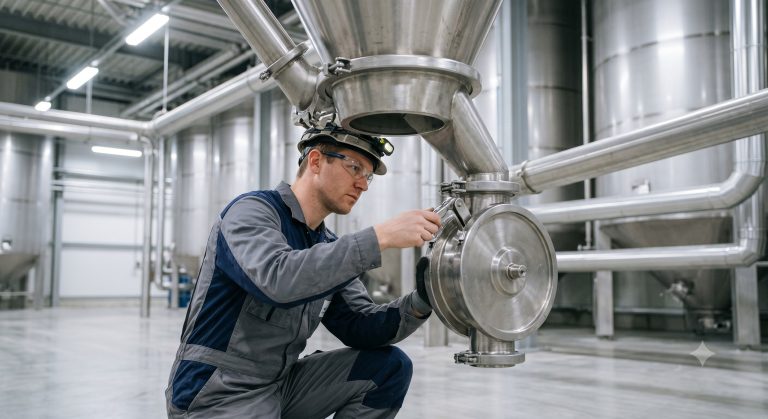
In these sectors, hygiene is paramount. Doebritz’s hygienic quick-release rotary valves are designed for easy cleaning and sanitization, conforming to the stringent requirements of GMP and FDA regulations. The quick-release (Quick-release rotary valve) design allows for rapid disassembly without the need for specialized tools, facilitating manual cleaning or in-line CIP (Clean-in-Place) and WIP (Wash-in-Place) cleaning processes. The internal surfaces are polished to a mirror finish (Ra ≤ 0.4 μm) to eliminate dead zones where product could accumulate, thus preventing contamination and ensuring product integrity. These valves are ideal for handling materials such as milk powder, protein powder, vitamin powder, and antibiotic powder.
Chemical and Mining Industries
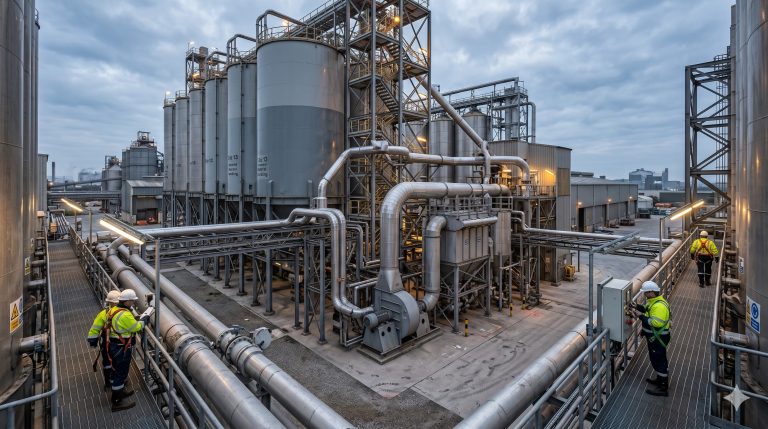
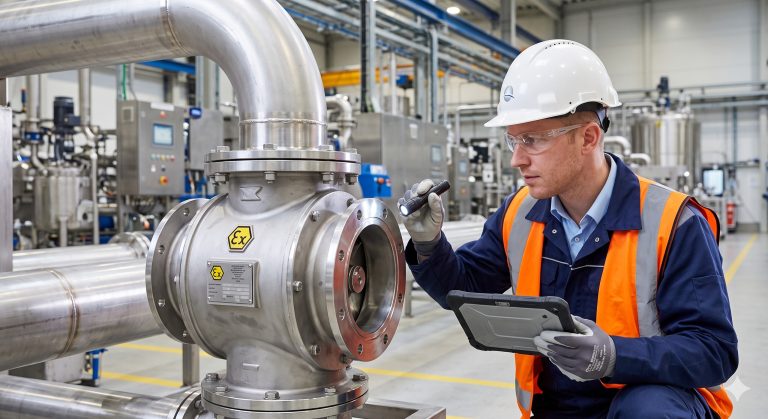
These environments are characterized by abrasive, corrosive, or potentially explosive materials. Doebritz addresses these challenges with several key technologies. The valves can be built with ex-proof motors, are certified for use in Zone 20/21/22 hazardous areas, and feature ATEX certification. The housing can be constructed from wear-resistant alloys and coated with tungsten carbide or ceramic to withstand the punishing wear of materials like cement, petroleum coke, and silica. The outboard bearing design isolates the bearings from the product zone, preventing contamination and extending bearing life, even in the most demanding conditions.
Conclusion
The modern automatic powder feeding station, as exemplified by Doebritz’s advanced line of rotary valves, is far more than a simple feeder. It is a precisely engineered system component that integrates metallurgy, precision machining, and advanced controls to solve the most challenging bulk material handling problems. By selecting a Doebritz automatic powder feeding station, engineers can ensure reliable, efficient, and safe operation while meeting the most stringent industry standards for hygiene, safety, and performance. Whether it’s the hygienic demands of the food and pharma industries or the abrasive, high-temperature conditions of heavy industry, Doebritz provides a robust and optimized solution that reduces total cost of ownership and maximizes process efficiency. The commitment to precision clearances, diverse material selections, and full customization options makes Doebritz the premier choice for engineers seeking the ultimate engineering guide to powder feeding stations.