Overview
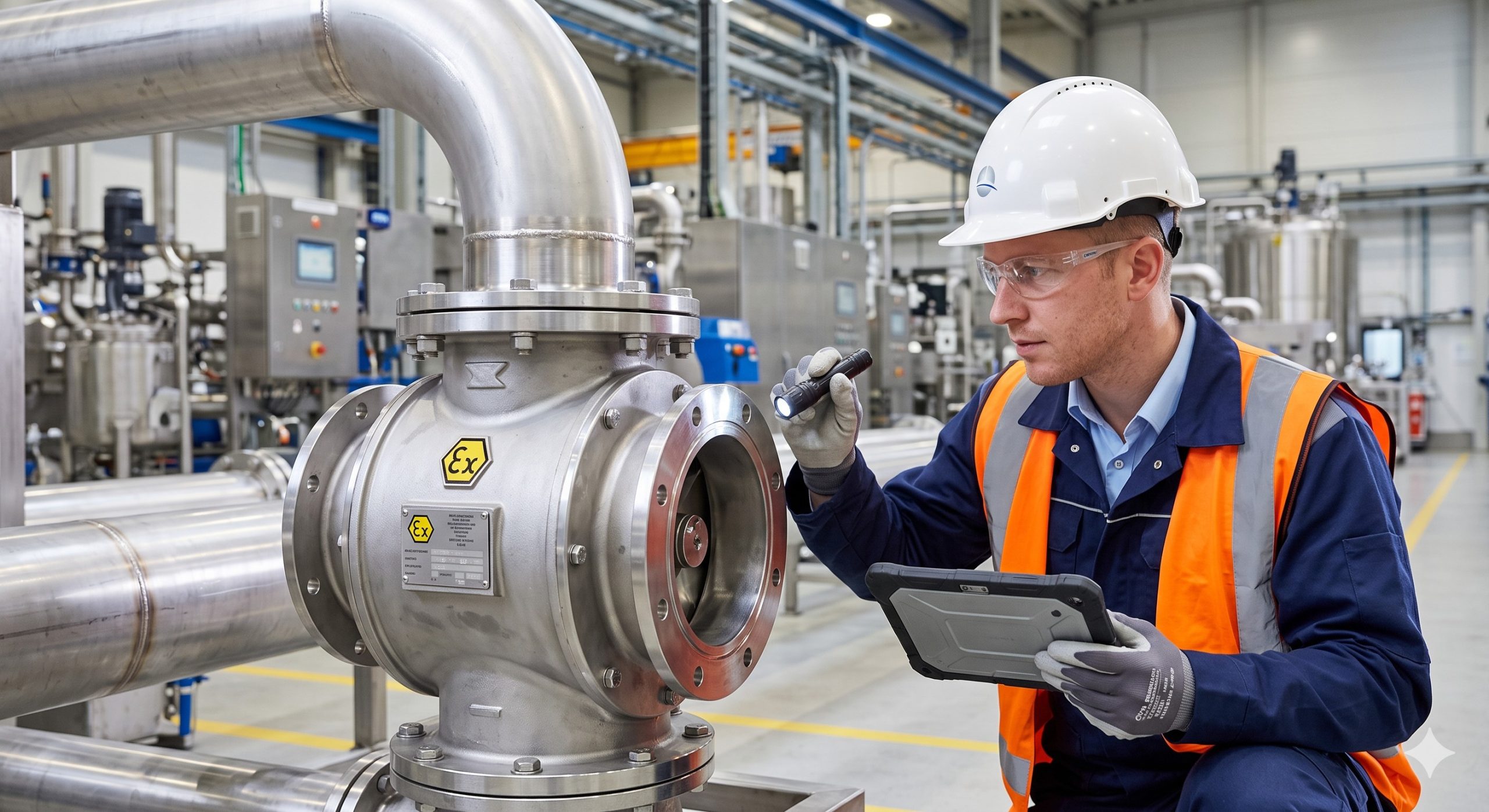
Navigating the ATEX 2014/34/EU directive is critical for plant safety in explosive atmospheres. This guide answers the most pressing B2B procurement and maintenance questions about ATEX compliance specifically for the Doebritz quick-release rotary valve, ensuring your selection meets strict zone requirements, pressure ratings, and operational safety standards.
Frequently Asked Questions
- Q1: What is the ATEX 2014/34/EU directive, and what are the specific zone classifications for the Doebritz quick-release rotary valve?
- The ATEX 2014/34/EU directive mandates equipment safety standards for use in potentially explosive atmospheres. The Doebritz quick-release rotary valve is available in configurations certified for Zone 20 (continuous presence of dust cloud), Zone 21 (likely presence), and Zone 22 (unlikely presence), covering all hazardous dust environments.
- Q2: What is the maximum explosion containment pressure for the Doebritz ATEX-certified valve?
- The Doebritz quick-release rotary valve is designed with a robust construction achieving a pressure rating of up to 16 bar. This high containment capacity ensures it can withstand the force of an internal explosion without rupturing, a critical safety feature for heavy-duty industrial applications such as pneumatic conveying and silo discharge.
- Q3: How does the Doebritz valve prevent explosion propagation to upstream or downstream equipment?
- Doebritz achieves explosion isolation through two primary mechanisms: minimal rotor-to-housing clearance (0.1–0.2 mm) that suppresses flame propagation, and an optional high-pressure shock-resistant design. This configuration ensures that a deflagration is contained within the valve, protecting connected silos, filters, and conveyors.
- Q4: Are Doebritz quick-release rotary valves suitable for both gas and dust explosion zones?
- While predominantly used for dust atmospheres (Zone 20/21/22), Doebritz can configure the valve with specific sealing and housing materials to address gas explosion risks. However, the standard ATEX offering is tailored for powder and bulk solids, making it the ideal choice for flour mills, chemical plants, and pharmaceutical processing.
- Q5: What flange standards are available for mounting the Doebritz ATEX rotary valve?
- Doebritz manufactures the valve to meet global flange standards. While the base model uses the HG20592 standard, customizations are readily available for DIN, ANSI, and JIS flanges. This flexibility ensures seamless integration into existing processing lines without costly modifications.
- Q6: How do I maintain the ATEX integrity of the Doebritz valve during servicing?
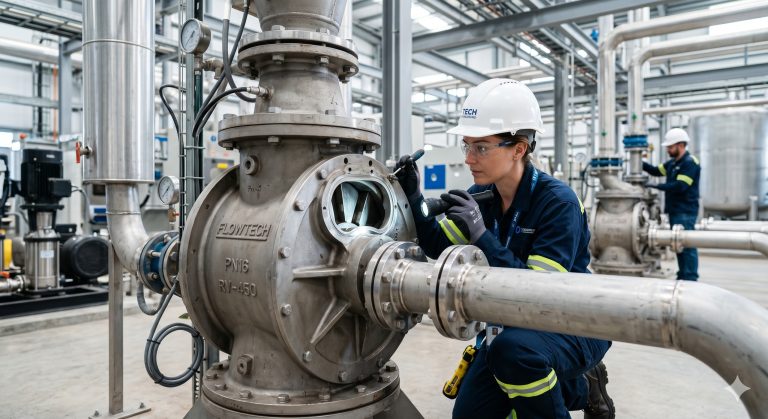
- Maintaining ATEX integrity requires using only genuine Doebritz spare parts, particularly for the shaft seals and rotor. Regular inspection of the 0.1–0.2 mm clearance and testing of the purge air system are essential. The quick-release design simplifies these checks, enabling rapid maintenance without compromising the explosion-proof certification.
- Q7: Can the Doebritz ATEX valve handle abrasive materials like lithium battery powder or carbon black?
- Yes. For high-wear materials, Doebritz offers tungsten carbide or ceramic coatings on the rotor and housing. This hard-facing protects the critical 0.1–0.2 mm gap from erosion, maintaining both the ATEX containment performance and the valve’s service life in heavy-duty duties.