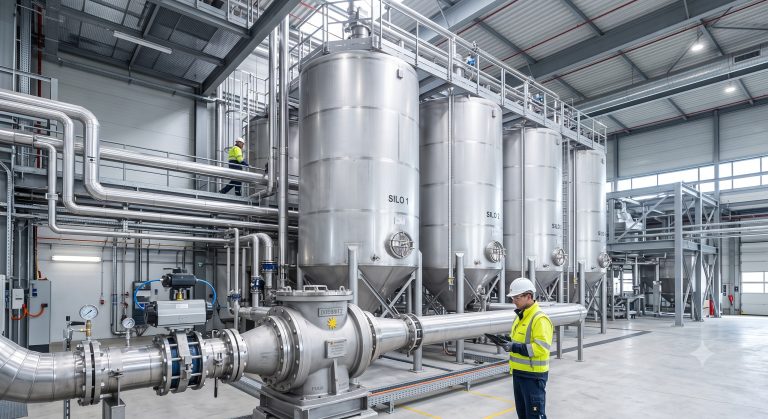
Introduction: The Critical Role of Rotary Valves in Powder Processing
In the modern powder processing ecosystem, the rotary airlock valve—often referred to as a star discharge valve or airlock feeder—is a silent workhorse. Operating at the intersection of differential pressure control, volumetric metering, and system integrity, the selection of this component directly dictates the efficiency of pneumatic conveying systems and the quality of bulk material handling. As a senior mechanical engineer, I have witnessed countless plant bottlenecks caused by improper valve sizing, material degradation, or catastrophic air leakage. This comprehensive guide delves into the engineering principles, metallurgical considerations, and precise clearance tolerances that define the performance of the Doebritz quick-release rotary valve, a solution engineered for demanding industrial applications.
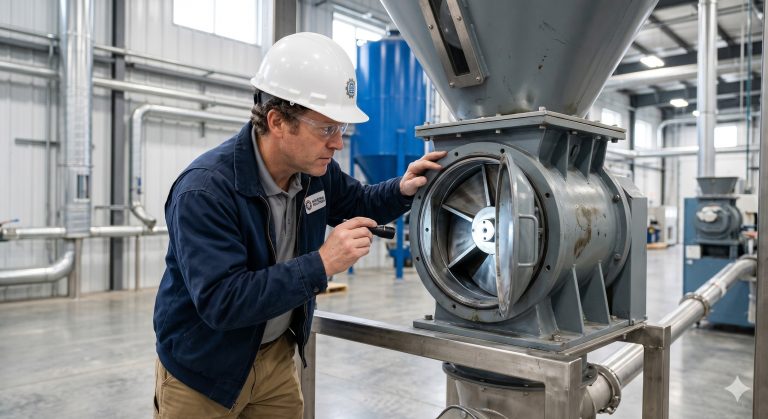
The core function of this valve is to act as a pressure barrier while transferring material from a hopper or silo into a conveying line. It achieves this through a rotating rotor with vanes that trap material and transport it from the inlet to the outlet. Without a high-performance valve, systems suffer from blowback, reduced conveying capacity, and increased energy consumption. The Doebritz quick-release rotary valve is designed to mitigate these issues, offering robust construction and innovative features for easy maintenance.

Housing & Rotor Engineering: Metallurgy and Precision
The foundation of any durable rotary valve lies in its housing and rotor metallurgy. For heavy-duty applications involving abrasive or corrosive materials, the choice of material is non-negotiable. The Doebritz product line offers a versatile range of options to match specific process requirements. Base materials include SUS304 and SUS316L stainless steel, which provide excellent corrosion resistance for food and pharmaceutical applications, and carbon steel for more general industrial use. For extreme wear resistance, the company offers innovative coating solutions such as tungsten carbide coatings, ceramic coatings, and advanced polymer materials like PE and PTFE.
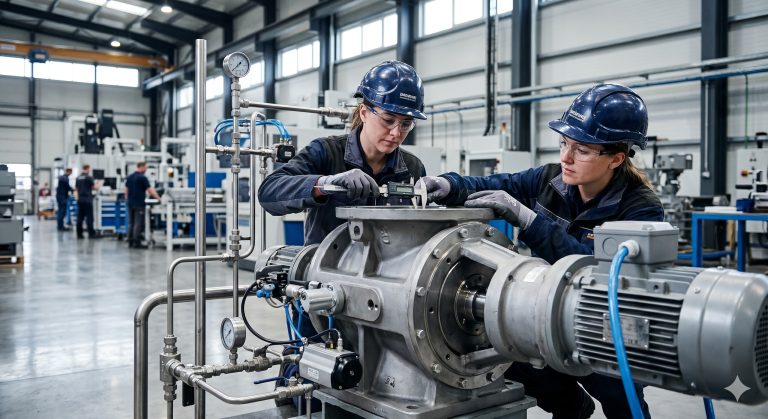
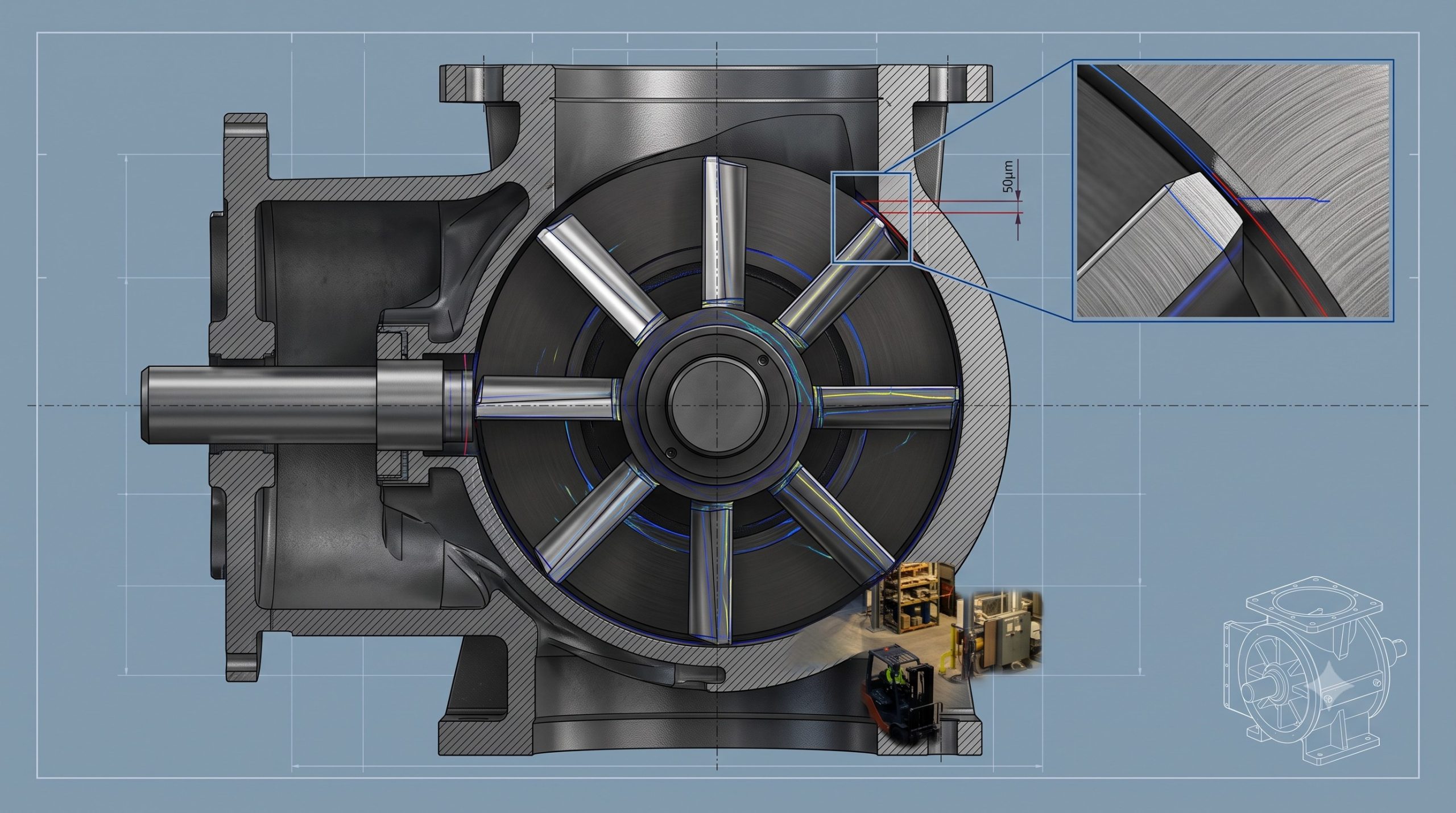
The engineering precision is evident in the manufacturing process. The rotor-to-housing radial and axial clearances are meticulously maintained to within 0.1 – 0.2 mm. This tight tolerance is critical for achieving efficient air sealing. As the rotor turns, the small clearance restricts the flow of air across the valve, a key metric known as air leakage rate. Lower leakage translates to higher volumetric efficiency in pneumatic conveying, maintaining the required system pressure with lower energy expenditure.
The Significance of Outboard Bearings and Sealing Technology
One of the most common failure points in rotary valves is the shaft seal. Dust ingress into the bearing housing can lead to rapid wear and catastrophic failure. To combat this, the Doebritz valve is designed with outboard bearings that are physically isolated from the material flow path. This design not only protects the bearings from contamination but also allows for easy maintenance and replacement without disassembling the entire valve body.
The sealing system itself is a multi-layered defense. The primary seal is a precision-engineered lip seal that creates an air-tight barrier. For even higher performance, especially in high-pressure or extremely sanitary applications, the valve can be configured with a gland packing or an air-purge seal system. The air purge continuously flushes the sealing area with clean air, preventing fine powders from migrating out of the valve and into the atmosphere, a critical feature for applications requiring no leakage or no powder leakage.
Technical Specifications
To accurately select and size a valve, one must have access to critical data. The following table outlines the key technical specifications and capabilities of the Doebritz quick-release rotary valve (Model series DBR-1237), demonstrating its suitability for a wide range of industrial conditions.
| Key Parameter | Technical Specification |
|---|---|
| Materials of Construction | SUS304, SUS316L, Carbon Steel; with coatings: Tungsten Carbide, Ceramic, PE, PTFE, PA |
| Rotor-to-Housing Clearance | 0.1 – 0.2 mm |
| Max Differential Pressure | Up to 1.0 bar (standard); up to 16 bar (flame-proof/explosion-proof design) |
| Operating Temperature Range | Ambient: -15°C to 60°C; Material: 0°C to 120°C (optional water-cooled jacket) |
| Port Connection / Flange | HG20592; Sizes: DN50, DN100, DN150, DN200, DN300, DN350 |
| Explosion Protection | ATEX certified for Zone 20/21/22, Explosion-proof motor, Pressure shock-resistant up to 16 bar |
| Cleanability | Quick-release demountable for manual cleaning, Online CIP/WIP cleaning, Surface finish Ra ≤ 0.4 μm (mirror) |
| Control & Metering | VFD speed control, PLC automation, Batch/Recipe metering, Capacities variable by rotor size and speed |
| Certifications | CE, TÜV, Statement certifications, Compliant with FDA, EHEDG requirements |
| Industry Application Examples | Food: Coffee, Flour, Milk powder, Spices; Pharma: Antibiotics, Vitamins, Probiotics; Chemical: Carbon black, PE/PP, Lithium-ion battery materials |
Performance and Process Adaptability
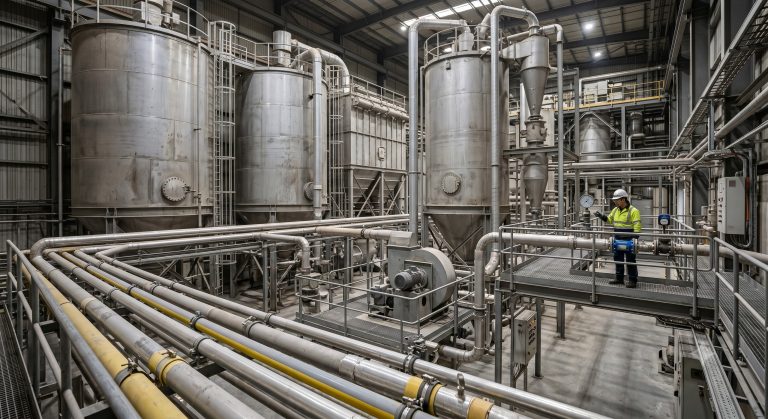
The Doebritz valve is designed to perform flawlessly across a diverse range of process conditions. It supports both positive pressure pneumatic conveying and negative pressure pneumatic conveying, covering low-pressure (<0.4 bar) and high-pressure (0.4 to 1 bar) scenarios. The ability to handle a maximum differential pressure of up to 1.0 bar makes it suitable for dense phase conveying, where material is pushed slowly through the pipeline at high pressure, minimizing degradation.
Process adaptability is further enhanced by VFD speed control (Variable Frequency Drive). This allows the valve’s discharge rate to be precisely matched to the upstream and downstream process demands. When integrated with a PLC control system, it becomes a cornerstone of automated batching and recipe metering operations. The valve’s capability to handle material temperatures from 0°C to 120°C, and optionally with a water-cooling jacket for higher temperatures, makes it a versatile tool for handling everything from hot chemical catalysts to cold food ingredients.
Heavy-Duty Application Scenarios
The Doebritz quick-release rotary valve is not limited to a single industry. Its robust construction, hygienic options, and material flexibility allow it to excel in some of the most challenging powder processing environments.
Food and Pharmaceutical Sanitary Lines
In the production of food and pharmaceutical products, cross-contamination is not an option. The Doebritz valve addresses this with its quick-release design and demountable construction. This allows for rapid disassembly without the need for specialized tools, facilitating thorough manual cleaning or integrated Online CIP (Clean-in-Place) and WIP (Wash-in-Place) cleaning cycles. The internal surfaces are polished to a mirror finish with roughness values as low as Ra ≤ 0.4 μm, eliminating dead spots where bacteria or product residue could accumulate. This design meets the stringent requirements of FDA regulations and EHEDG guidelines, making it ideal for handling materials like milk powder, protein powder, vitamin powder, and vaccine lyophilized powder.
Chemical, Energy, and New Materials Industries
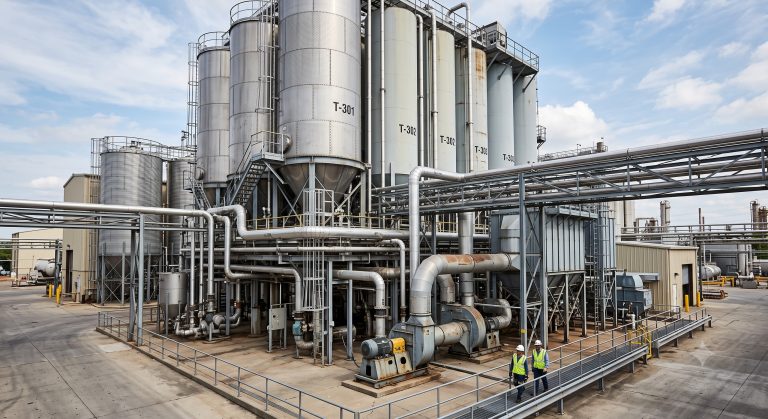
At the other end of the spectrum, the chemical and energy sectors handle highly abrasive, corrosive, or flammable materials. The Doebritz valve meets this challenge with impressive safety and durability credentials. It is available with comprehensive ATEX certification for use in potentially explosive atmospheres (Zone 20/21/22). The flame-proof design is pressure-rated up to 16 bar, providing a critical safety barrier in the event of a dust explosion. For abrasive materials such as carbon black, titanium dioxide, lithium battery cathode/anode materials, and silicon powder, the internal surfaces can be coated with tungsten carbide or ceramic layers, dramatically extending the valve’s Mean Time Between Failures (MTBF).
Conclusion: The Engineering Verdict
The Doebritz quick-release rotary valve is a paragon of engineering excellence, combining precision manufacturing with material science to deliver a product that meets the demands of the most rigorous industrial applications. From the microscopic precision of its 0.1 mm clearances to the robustness of its 16-bar explosion-proof housing, every design element is optimized for performance, safety, and longevity. The availability of diverse material options, from SUS316L to tungsten carbide coatings, ensures that a valve can be tailored to the specific chemical and physical properties of the bulk material.
For plant engineers and operations managers, the Doebritz valve offers a clear path to operational excellence. Its quick-release feature drastically reduces maintenance downtime, while its precise air sealing minimizes energy waste. Whether the goal is to achieve a sanitary production line for pharmaceuticals or to withstand the punishing wear of mineral processing, this rotary airlock valve stands as a testament to modern engineering. The integration of compliance standards such as CE, TÜV, and ATEX provides the peace of mind that the equipment not only performs but does so safely and legally. As the powder processing industry continues to evolve towards higher efficiency and stricter safety standards, solutions like the Doebritz valve will remain at the forefront of bulk material handling technology.