Overview
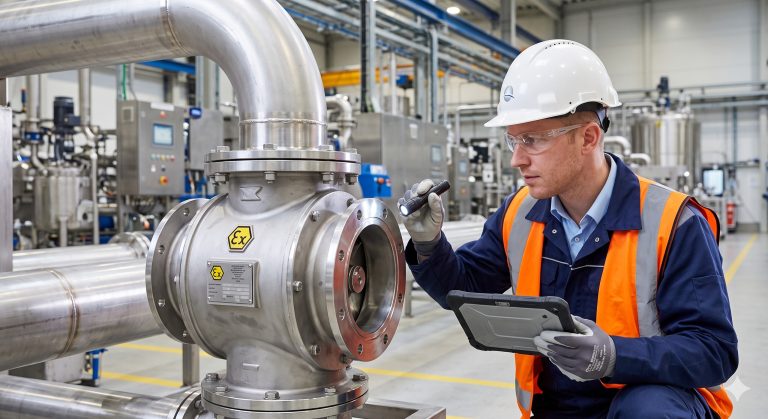
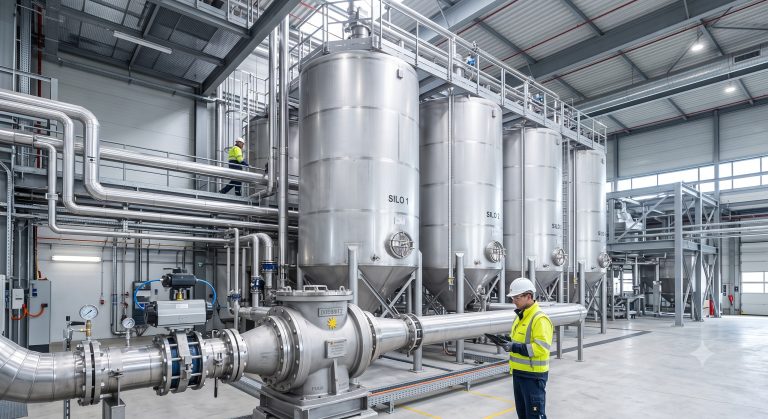
In powder and bulk solids handling, dust explosions represent a critical risk to personnel, plant assets, and business continuity. The Doebritz DBR-1237 gravity quick-release rotary valve is engineered with ATEX-certified explosion isolation mechanisms to mitigate these risks across Zone 20, 21, and 22 environments. This FAQ addresses the most common technical and procurement questions from plant engineers and maintenance managers about deploying Doebritz rotary valves in explosive atmospheres.
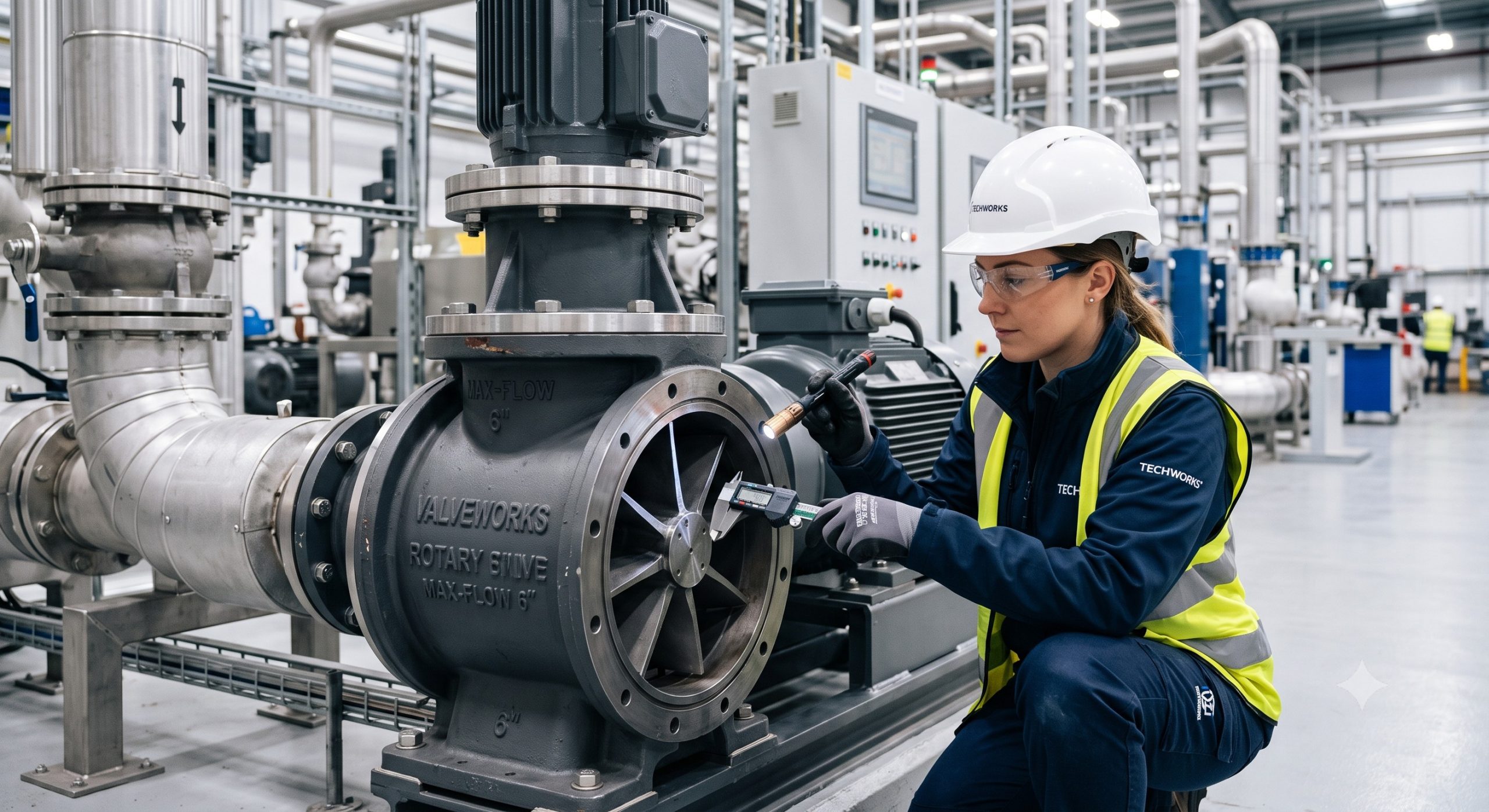
Frequently Asked Questions
- Q1: What ATEX certifications does the Doebritz DBR-1237 rotary valve hold, and what zones is it approved for?
- The Doebritz DBR-1237 holds CE, TÜV, and Statement certifications confirming compliance with ATEX directives for dust explosion protection. It is approved for use in Zone 20, Zone 21, and Zone 22 hazardous areas, covering continuous, frequent, and occasional dust cloud presence. The valve achieves this through a combination of precision rotor-to-housing clearances of 0.1–0.2mm that prevent flame propagation, explosion-vented housing designs, and optional anti-static components.
- Q2: How does the Doebritz DBR-1237 achieve explosion isolation while maintaining product flow?
- The Doebritz DBR-1237 uses a mechanical barrier principle: its precisely machined rotor and housing maintain a tight clearance (0.1–0.2mm) that acts as a flame arrestor, preventing deflagration from traveling upstream or downstream. Unlike simple butterfly or slide gate valves, the rotary valve continuously feeds product while simultaneously isolating pressure spikes. In high-risk installations, an optional secondary air purge on the shaft seals prevents dust ingress into bearing zones, further reducing ignition sources. The valve’s rugged construction, with flame-proof paths and pressure shock resistance up to 16 bar, ensures it contains an internal explosion without rupture, safeguarding downstream equipment and personnel.
- Q3: What material and surface treatment options are available for abrasive materials that could generate ignition sparks?
- To handle abrasive powders that pose both wear and ignition risks, the Doebritz DBR-1237 is available in SUS304 and SUS316L stainless steel, with optional internal coatings including tungsten carbide, ceramic, and polymer materials. For extreme abrasion, the rotor and stator can be coated with tungsten carbide or ceramic layers, which not only extend component life but also reduce the risk of frictional heating and spark generation from metal-to-metal contact. The valve also features a chrome-plated variant for applications requiring both wear resistance and a non-sparking surface. These surface treatments ensure that even with high-silica, glass, or metallic powders, the risk of incendive sparks is minimized.
- Q4: Does the Doebritz DBR-1237 comply with DIN or ANSI flange standards for integration into existing explosive-rated systems?
- Yes, the Doebritz DBR-1237 is available with both DIN (EN 1092-1) and ANSI (ASME B16.5) flange standards to seamlessly replace or integrate into existing piping systems without custom adapters. The standard flange supplied is HG20592, but the valve can be customized to any required drilling standard, pressure rating, or face type. This ensures that the explosion-isolated valve can be retrofitted into existing ATEX-rated process lines without compromising the integrity of the explosion protection system, and with full material traceability documentation for compliance audits.
- Q5: How is the rotor-to-housing clearance maintained over time to ensure continued ATEX compliance?
- The Doebritz DBR-1237 maintains its precise 0.1–0.2mm clearance through a combination of robust bearing support and thermal compensation design. Outboard bearings ensure that the rotor remains concentric even under thermal expansion up to 120°C product temperature, and during operational vibration. The clearance is factory-set and can be verified during routine maintenance using feeler gauges. If wear from abrasive materials reduces the clearance, the valve can be refurbished by replacing the rotor or housing, or by applying a new layer of hard coating. Doebritz provides service kits and technical support to restore clearance to original specifications, thus preserving ATEX performance throughout the valve’s lifecycle.
- Q6: What maintenance procedures are critical for retaining ATEX integrity in the Doebritz DBR-1237?
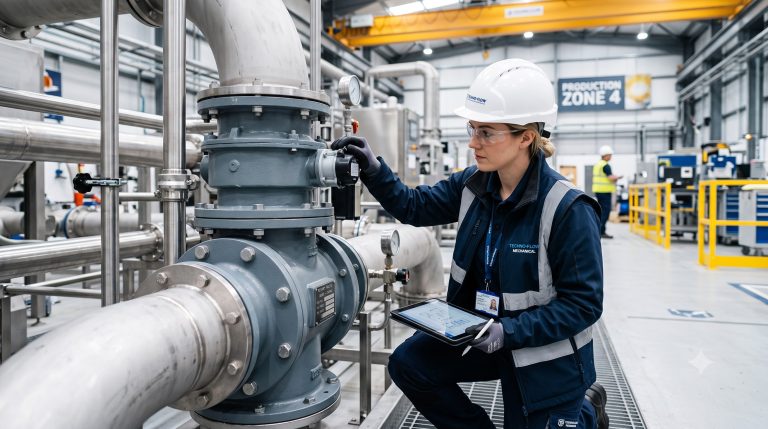
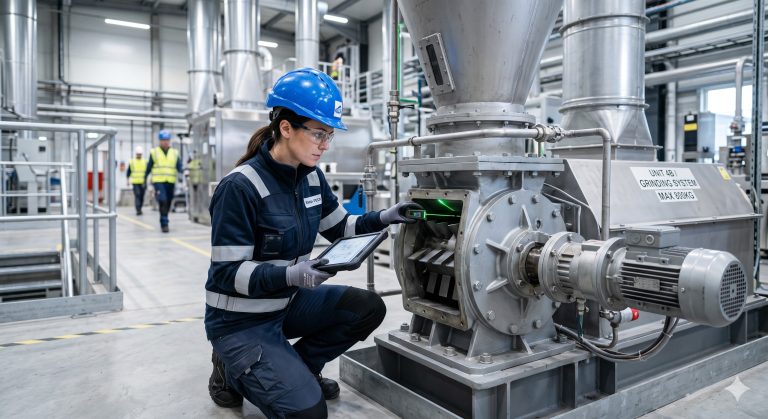
- Critical maintenance includes: 1) Regular inspection of shaft lip seals and air purge systems to prevent dust ingress into bearing housings; 2) Clearance checks and documentation to ensure the 0.1–0.2mm flame path is maintained; 3) Torque verification of all housing bolts to prevent flange joint leakage; and 4) Inspection of the explosion relief panel (if fitted) for damage or obstruction. The valve’s quick-release design allows for fast disassembly without special tools, facilitating thorough cleaning and part inspection during scheduled plant shutdowns. Doebritz recommends following the manufacturer’s maintenance schedule, including bearing grease replacement and seal condition monitoring, to ensure continued ATEX certification.
- Q7: Can the Doebritz DBR-1237 be used in both positive and negative pressure pneumatic conveying systems within hazardous zones?
- Yes, the Doebritz DBR-1237 is certified for operation in both positive and negative pressure pneumatic conveying systems. For positive pressure systems up to 1 bar, the valve’s robust housing and precision seals prevent dust leakage that could form explosive atmospheres. For negative pressure (vacuum) systems, the valve maintains airlock integrity, preventing air ingress that could fluidize dust and increase explosion risk. In both cases, the valve’s ATEX certification covers the specific pressure range of the installation, and options such as pressure-resistant design (up to 16 bar) and explosion-proof motors are available to meet high-risk zone requirements.
- Q8: What explosion protection features are optional for the Doebritz DBR-1237 in high-risk applications?
- Optional explosion protection features include: 1) Explosion-proof motor with ATEX-certified enclosure; 2) Flange-mounted explosion relief panel for pressure shock attenuation; 3) Temperature monitoring sensors to detect abnormal heating; 4) Spark-resistant rotor design with non-metallic scraper tips; 5) Inert gas purging connections for dilution of explosive dust atmospheres; and 6) Earth bonding connections to ensure static electricity dissipation. These options can be combined with the valve’s standard features to tailor the protection level to specific dust explosion risks, ensuring compliance with the latest ATEX guidelines while maintaining operational efficiency.
For further technical specifications, customized ATEX solutions, or to discuss a specific hazardous area deployment, contact the Doebritz engineering support team. We provide full documentation, installation supervision, and maintenance training to ensure your plant operates safely and compliantly.