Overview
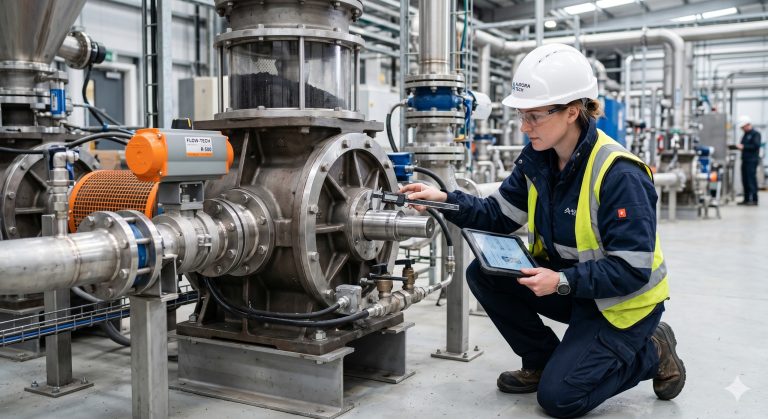
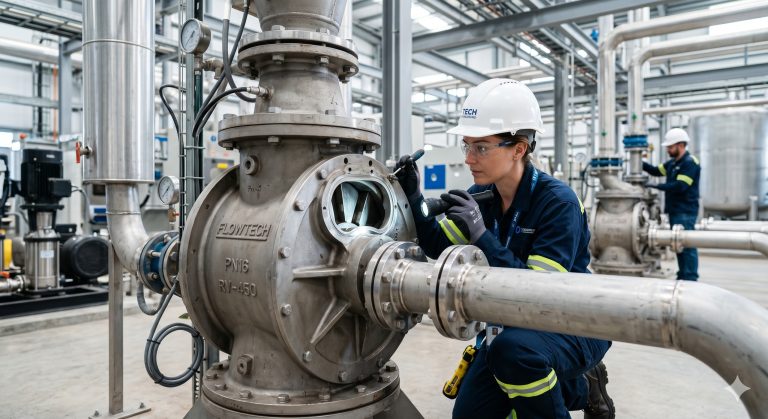
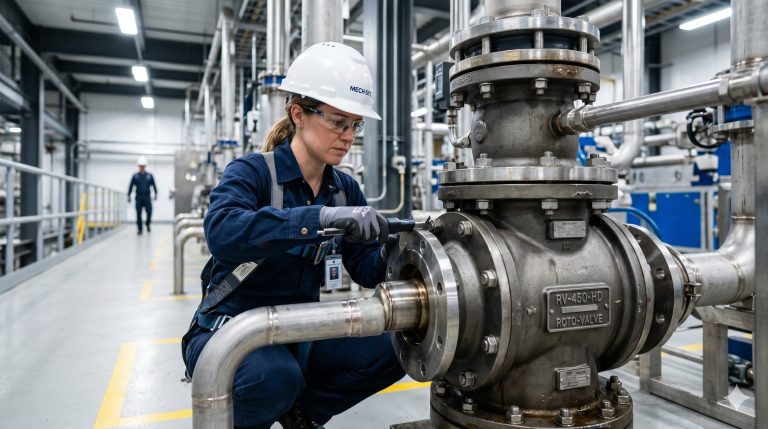
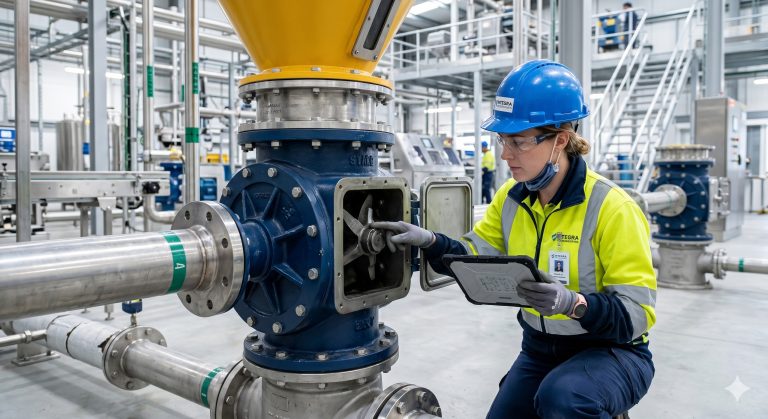
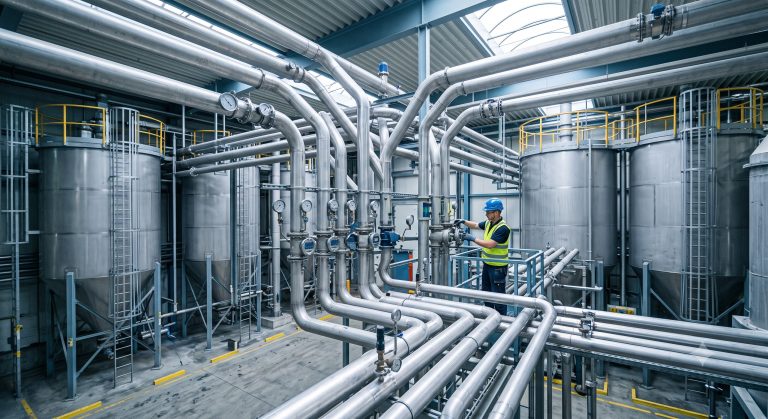
Doebritz grinding chambers are engineered for severe-duty size reduction and pneumatic conveying in heavy industrial environments. This FAQ addresses the most critical pre-sales and post-sales questions from plant maintenance managers and procurement specialists—covering ATEX compliance, abrasive material handling, flange standards, clearance adjustment, and air purge seal maintenance.
Frequently Asked Questions
- Q1: How does the Doebritz grinding chamber handle highly abrasive materials without rapid wear?
- The Doebritz grinding chamber handles abrasive powders and granules using Ni-Hard cast iron for the housing and hard-chrome plated rotor surfaces, achieving up to 650 Brinell hardness. All internal wear zones are field-replaceable without removing the chamber from the pneumatic line. For extreme silica or alumina applications, optional tungsten carbide overlay extends MTBF by 3x compared to standard carbon steel.
- Q2: Is the Doebritz grinding chamber ATEX certified for explosive dust atmospheres?
- Yes, the Doebritz grinding chamber is ATEX certified for Zones 21 and 22 (dust) and Zones 1 and 2 (gas) as standard, with Ex h designation for non-electrical equipment. Certification includes documented ignition hazard assessment per EN 1127-1. Optional earth continuity kits and PTFE-coated rotors are available for additional electrostatic discharge protection during grinding operations.
- Q3: What flange standards are available for connecting the Doebritz grinding chamber to existing process lines?
- The Doebritz grinding chamber is offered with ANSI B16.5 (150# to 600#), DIN EN 1092-1 (PN10 to PN100), and JIS B2220 flanges without adapters. Custom drilling patterns and non-standard centerline heights are available on 5-7 day lead times. All flanges come with full material traceability and EN 10204 3.1 certification for pharmaceutical and food-grade audits.
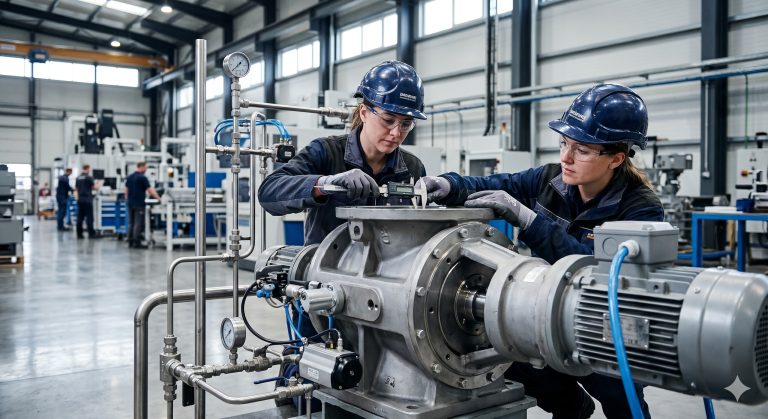
- Q4: How do I adjust rotor-to-housing clearance when the grinding chamber loses volumetric efficiency?
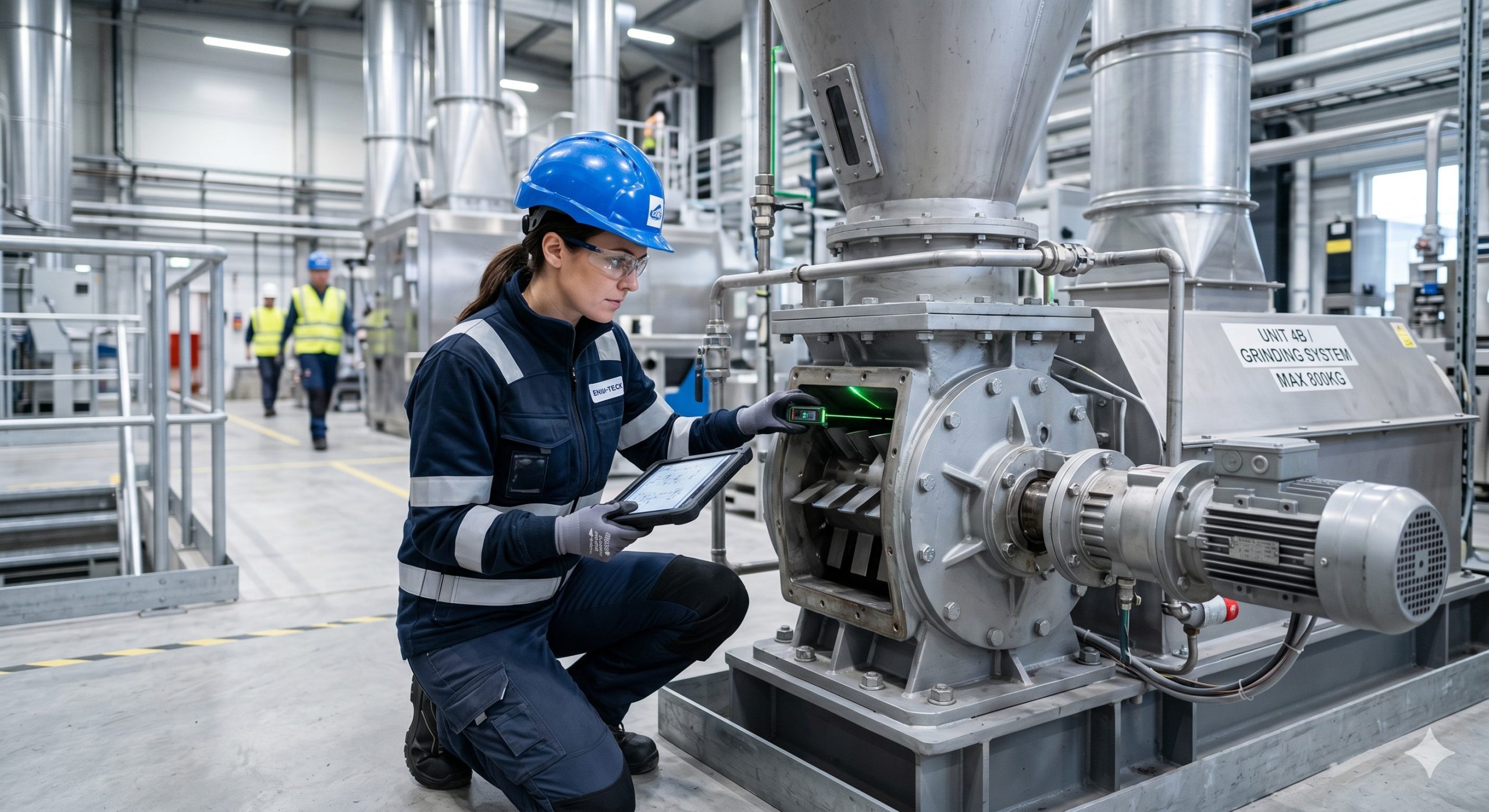
- The nominal rotor-to-housing clearance for a Doebritz grinding chamber is 0.15mm to 0.25mm for non-abrasive materials, or 0.30mm to 0.45mm for abrasive duty. Adjustment is performed by loosening the outboard bearing housing mounting bolts, rotating the eccentric adjustment cuffs (present on all Doebritz models above DN150), and retightening to specified torque. Always recheck clearance at three points using a feeler gauge after adjustment.
- Q5: Why does my Doebritz grinding chamber leak air through the shaft seals, and how do I maintain the air purge system?
- Air leakage past the shaft seals indicates either compressed air purge pressure dropping below 0.2 bar over atmospheric or worn PTFE lip seals. The Doebritz grinding chamber uses a dual-lip seal with a lantern ring for continuous purge. Maintain purge pressure at 0.3–0.5 bar above internal chamber pressure, and replace seal cartridges every 6,000 operating hours. Never block the purge ports—this leads to rapid bearing contamination.
- Q6: How often should outboard bearings be lubricated on a Doebritz grinding chamber operating at 150°C?
- For a Doebritz grinding chamber running at 150°C product temperature, regrease outboard bearings every 500 operating hours using NLGI 2 lithium complex grease with a minimum base oil viscosity of 180 cSt at 40°C. High-temperature versions with extended bearing housings and cooling fins allow 1,000-hour intervals. Always use the two-point regreasing ports while rotating—never overgrease beyond the housing vent weep hole.
- Q7: What is the maximum differential pressure the Doebritz grinding chamber can withstand when used as an airlock?
- The standard Doebritz grinding chamber withstands 2.0 bar differential pressure across the rotor without internal pressurization. For dense phase pneumatic conveying requiring 3.5 bar differential, order the high-pressure variant with reinforced endplates, taper roller bearings, and carbon-faced mechanical shaft seals. Never exceed the nameplate pressure rating—excessive blowback air indicates pressure overload.
- Q8: Can I replace only the grinding chamber housing if my existing unit has cracked from thermal shock?
- Yes, Doebritz grinding chamber housings are modular and replaceable without changing the rotor or bearings. Order a direct-fit housing using the serial number stamped on the original nameplate. Housing replacement takes 2–3 hours on-site using standard tools. All replacement housings come with pre-installed wear liners and come pretorqued to factory clearance specifications.