Introduction to Doebritz ATEX-Certified Rotary Valves
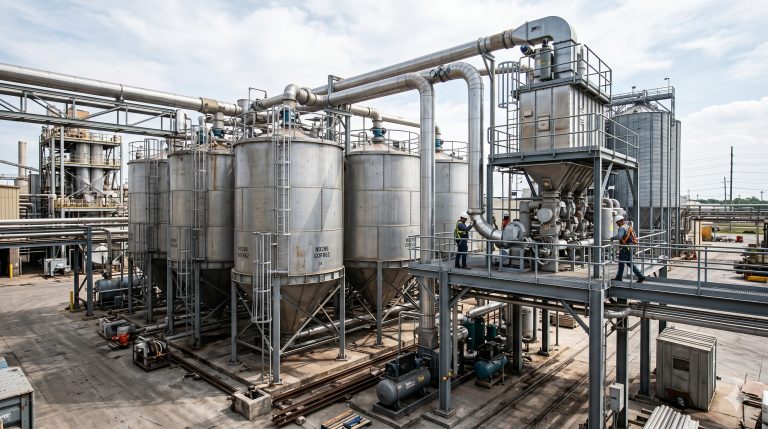
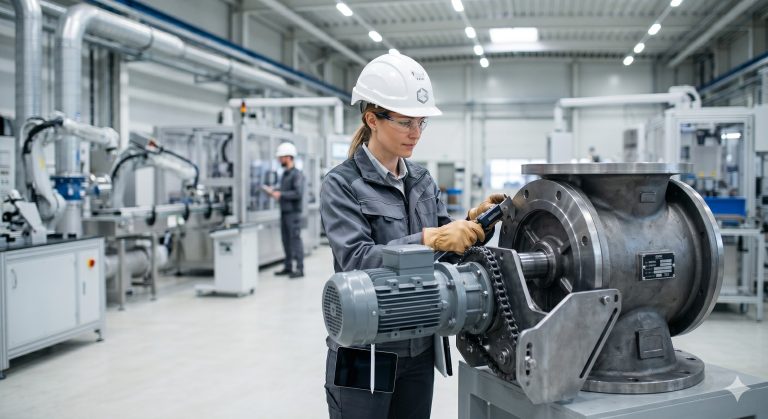
Doebritz quick-release rotary valves (also known as star discharge valves or airlock feeders) are engineered for efficient bulk solids handling in potentially explosive atmospheres. This FAQ addresses the most critical technical and procurement questions regarding their ATEX compliance, rugged construction, and maintenance, ensuring safety and operational continuity in your plant.
Frequently Asked Questions
- Q1: Are Doebritz rotary valves ATEX certified for use in explosive dust atmospheres?
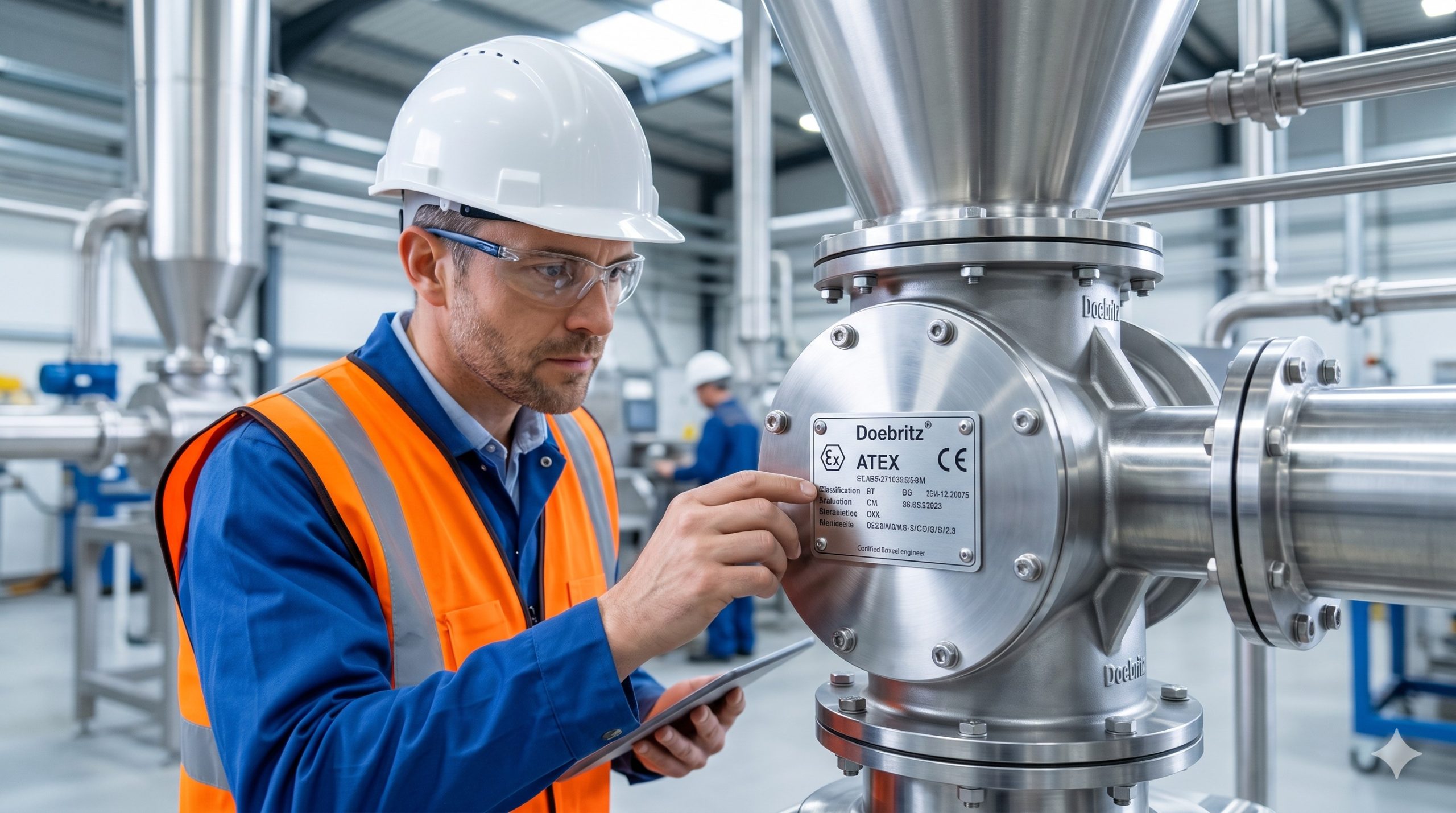
- Yes, Doebritz rotary valves are fully ATEX certified and can be supplied with compliance for Zone 20, Zone 21, and Zone 22 explosive dust environments. The certification covers the entire valve assembly, including the housing, rotor, and drive components, ensuring safe operation in classified areas. The valves feature precision clearances and are available with explosion-proof motors to meet stringent safety directives.
- Q2: What explosion isolation and prevention features are integrated into Doebritz ATEX valves?
- Doebritz ATEX valves are designed with explosion isolation mechanisms, including a robust housing rated for 16 bar pressure shock resistance and flamepath gaps of 0.1-0.2mm between the rotor and housing. These features prevent the propagation of flames from the upstream process to the downstream area, effectively acting as a mechanical barrier. The design is complemented by a certified explosion-proof motor and optional temperature monitoring for complete system safety.
- Q3: Can Doebritz valves handle highly abrasive materials like carbon black or lithium battery powders without compromising ATEX integrity?
- Yes, Doebritz offers specialized abrasion-resistant configurations for severe-duty applications. The valve internals can be coated with tungsten carbide, ceramic, or lined with polymer materials to significantly extend component life. Despite the added wear protection, the critical rotor-to-housing clearance is maintained within the tight 0.1-0.2mm tolerance, preserving the ATEX-certified flamepath and ensuring long-term explosion safety and airlock efficiency.
- Q4: What flange and connection standards are available for Doebritz ATEX rotary valves to fit my existing process line?
- Doebritz provides exceptional flexibility to integrate with global process standards. The valves are available as standard with HG20592 flanges, and can also be custom-fabricated with DIN (e.g., EN 1092-1) or ANSI (e.g., ASME B16.5) flanges to match your existing piping. This customization is offered in a variety of sizes from DN50 up to DN350, ensuring seamless retrofitting and reduced installation costs.
- Q5: What is the recommended maintenance procedure for the shaft seals and bearings on a Doebritz ATEX rotary valve?
- For optimum performance and safety, Doebritz recommends a proactive maintenance schedule. The valves are equipped with robust outboard bearings and lip seal air-tight seals. A key maintenance task is the regular inspection and replacement of the shaft lip seals, and ensuring the air purge system is functioning correctly to prevent dust ingress. The outboard bearing design allows for easy maintenance without disassembling the entire valve, minimizing downtime and preserving the ATEX integrity.
- Q6: How does the Doebritz quick-release design contribute to safe and efficient cleaning in hygienic ATEX applications?
- The quick-release (demountable) design of the Doebritz valve is a critical feature for both hygiene and ATEX safety. It allows for rapid, tool-free disassembly, enabling thorough manual cleaning and inspection of all internal surfaces. This design prevents material buildup that could cause abrasion or ignition risks and supports efficient CIP (Clean-in-Place) and WIP (Wash-in-Place) cleaning protocols, essential for maintaining a safe and contaminant-free environment in food and pharmaceutical applications with ATEX zoning.
- Q7: Can Doebritz ATEX valves be integrated into a fully automated PLC-controlled metering and batching system?
- Absolutely. Doebritz ATEX rotary valves are designed for modern, intelligent process control. They are fully compatible with Variable Frequency Drives (VFD) for precise speed regulation and can be seamlessly integrated into a PLC (Programmable Logic Controller) system. This allows for automated batch metering, recipe management, and continuous feeding, all while maintaining the certified ATEX safety parameters for the integrated system.
- Q8: What are the standard material options and surface finishes for Doebritz ATEX rotary valves?
- The material and finish of a Doebritz ATEX valve are matched to the specific process and product requirements. The primary construction materials include stainless steel (SUS304, SUS316L) and carbon steel. For critical hygiene and corrosion resistance, internal surfaces can be finished to a mirror polish (Ra ≤ 0.4µm), while external surfaces can be sandblasted, shot-blasted, or painted. These options ensure the valve meets both ATEX safety and product purity standards for a wide range of industries.