Introduction: The Imperative of Explosion Safety in Powder Handling
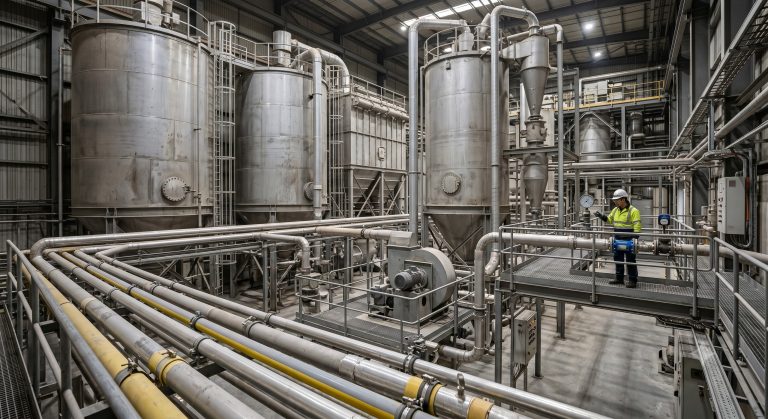
In the realm of powder and bulk solids processing, the risk of a dust explosion is a persistent and severe hazard. For plant engineers and safety managers, navigating the complex landscape of European safety standards for powder handling is not just a matter of regulatory compliance; it is a critical operational necessity. The European Union’s ATEX directives, alongside international standards like NFPA 652 and equipment-specific norms, create a rigorous framework for the safe design and operation of equipment in potentially explosive atmospheres. This technical guide delves into the core engineering principles and compliance strategies essential for safe powder handling, highlighting how advanced rotary valve technology plays a pivotal role in mitigating explosion risks and ensuring operational integrity.
Understanding the Explosive Threat: The Dust Pentagonal Model
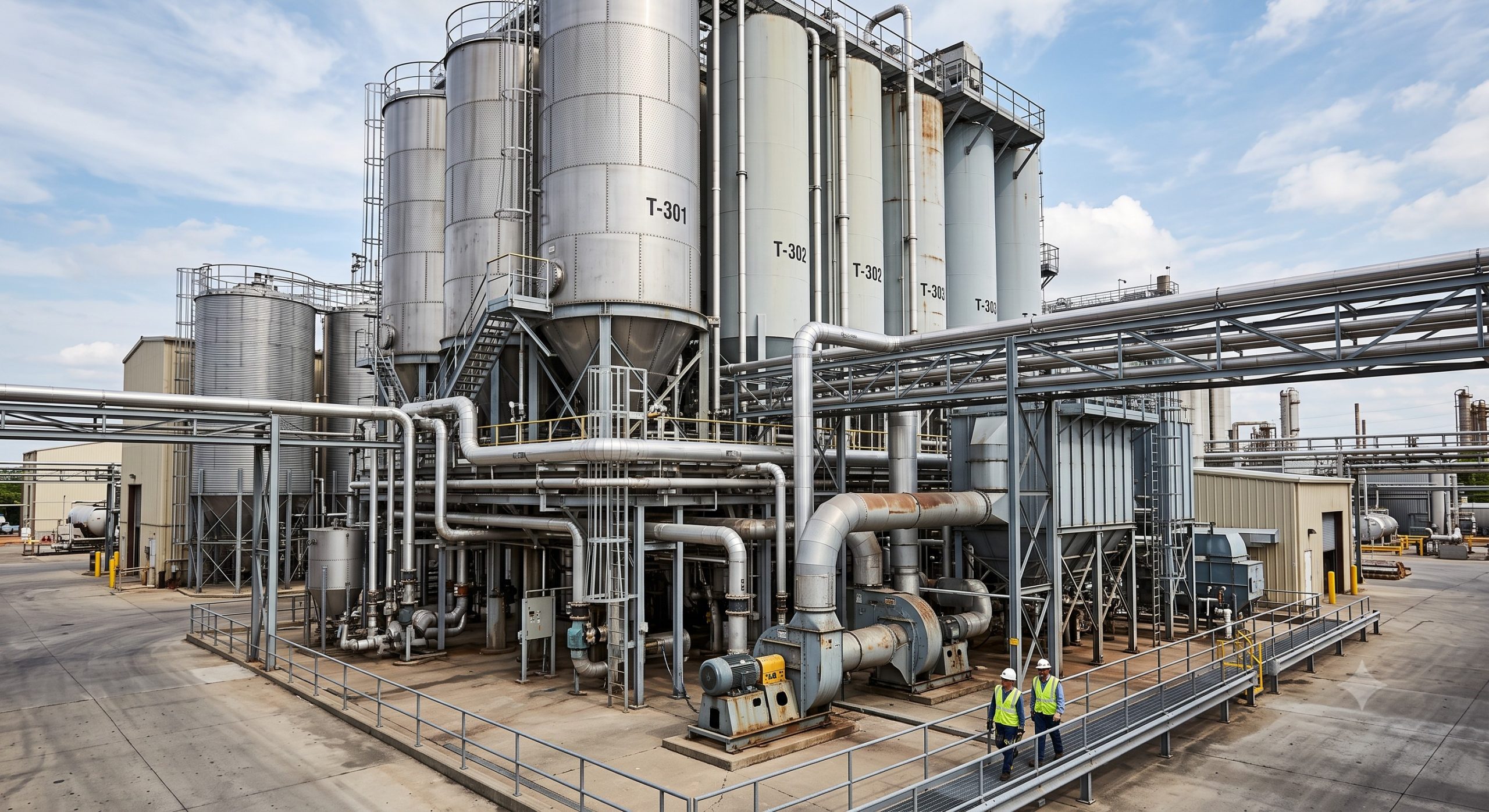
A dust explosion requires the simultaneous presence of five key elements, a concept central to all major safety standards. These are: a combustible dust, an oxidant (typically air), an ignition source, dispersion of the dust into a cloud, and confinement of that cloud. The EN 1127-1 standard provides fundamental methods for explosion prevention and protection, focusing on avoiding or mitigating these conditions. The ATEX workplace directive (1999/92/EC) mandates that employers assess explosion risks and classify hazardous areas into Zones based on the frequency and duration of the presence of an explosive dust atmosphere. These zones are classified as 20, 21, or 22, requiring equipment with corresponding levels of protection.
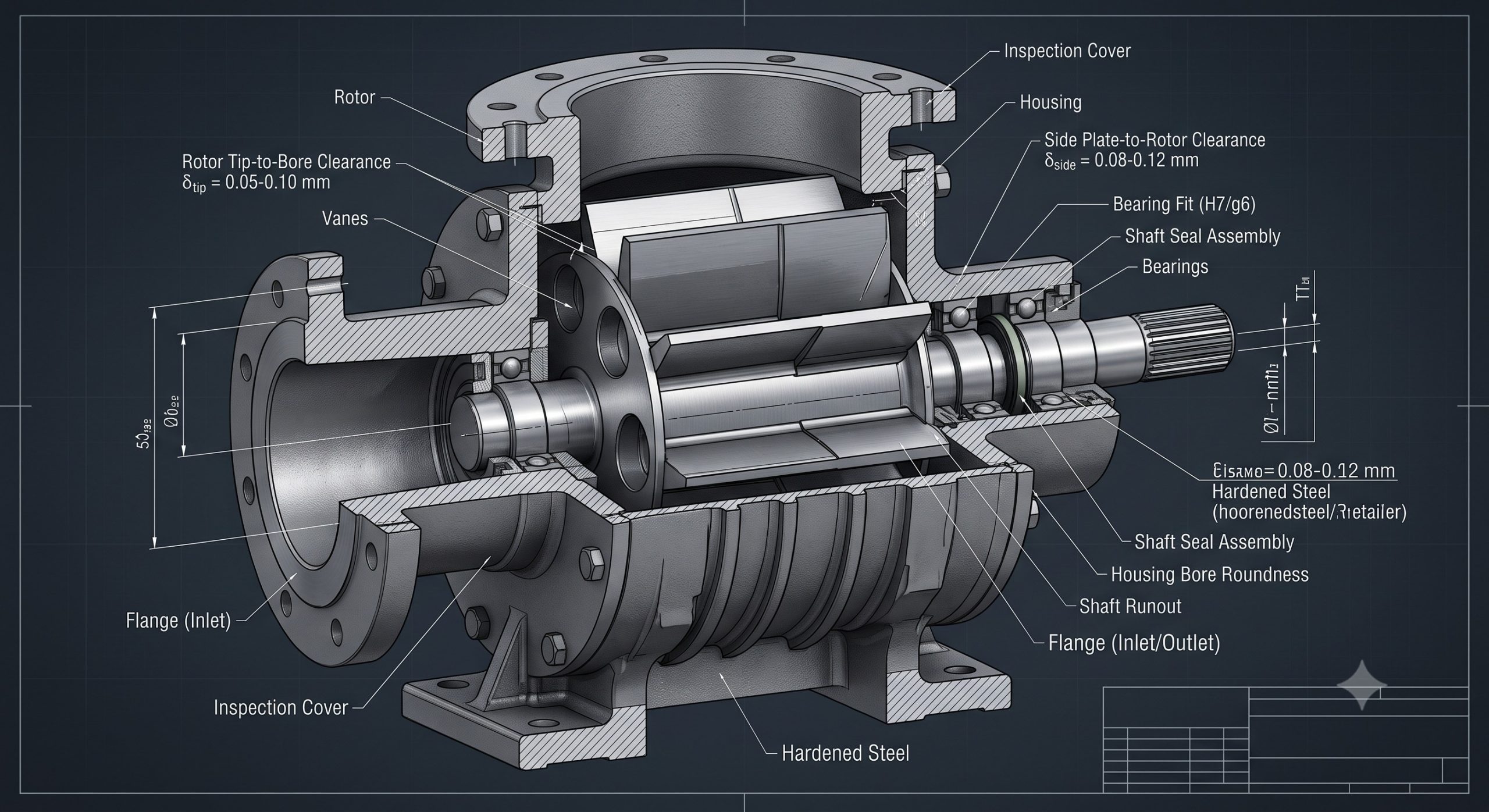
Critical to the European approach is the concept of ‘Ex h’ equipment protection, defined by ISO 80079-36 and ISO 80079-37. This non-electrical type of protection, often designated as ‘Ex h c’ for constructional safety, relies on robust design and precision engineering to prevent ignition sources. Doebritz, for instance, engineers its quick-release rotary valves to meet these stringent requirements. The precision-machined rotor-to-housing clearance of just 0.15mm – 0.2mm is a prime example of engineering that minimizes wear and reduces the risk of frictional ignition, a key concern when handling combustible dusts .
Core Engineering Principles for ATEX Compliance
Pressure Resistance and Flame Propagation
A fundamental tenet of explosion safety is ensuring that equipment can contain an internal explosion without rupturing and that it can prevent flame propagation to other parts of the system. This is where the mechanical integrity of a rotary valve becomes paramount. Explosion-protected rotary valves, such as those from Doebritz, are designed with a heavily reinforced housing that can withstand high internal explosion pressures. TÜV-certified Doebritz valves have demonstrated the ability to withstand internal explosion pressures exceeding 10 bar . This resilience is often validated through stringent testing, as seen in EU-type examinations for rotary valves. For instance, a recent certification for an 8-blade rotary valve, a common design, confirmed its ability to withstand reduced explosion pressures of 0.71 bar (g) to 0.93 bar (g) depending on the size, crucial for flame transmission protection .
Preventing Ignition Sources: Static Electricity and Mechanical Sparks
Ignition sources in powder handling can arise from electrostatic discharges or mechanical friction. To mitigate these, safety standards mandate the use of anti-static materials and the implementation of robust earthing and equipotential bonding systems. A key requirement is that all metal parts of a system must have a resistance to earth not exceeding 10^6 Ω to ensure proper grounding and prevent static sparking . Doebritz rotary valves are designed with this in mind, featuring stainless steel construction and configurations that prevent static electricity accumulation, a critical feature for safety in ATEX zones . Furthermore, the use of outboard bearings—a standard feature in many Doebritz valves—isolates the bearing housing from the material flow, a design that not only prevents bearing contamination and jamming but also reduces the risk of overheating and mechanical sparks, both of which are ignition hazards .
Technical Specifications: The Data-Driven Approach to Safety
The safety of a powder handling system is determined by the data-backed performance of its components. The table below illustrates key technical parameters that define a high-performance, safety-compliant rotary valve, drawing on the robust engineering specifications of the Doebritz quick-release rotary valve series.
| Key Parameter | Technical Specification (Doebritz Quick-Release Rotary Valve) |
|---|---|
| ATEX Certification | II 2/- G Ex h IIB T5 Gb / II 2/- D Ex h IIIB T100°C Db (TÜV certified) |
| Max Differential Pressure | 1.5 Bar (150 kPa) |
| Operating Temperature | -10°C to +150°C (Standard) |
| Rotor-to-Housing Clearance | 0.15 mm – 0.2 mm |
| Maximum Capacity | 634 L/min |
| Surface Finish (Internal) | Ra ≤ 0.8 µm (Hygienic) |
| Explosion Pressure Resistance | > 10 bar (Reinforced Housing) |
| Compliance Standards | EN 1127-1:2019, EN ISO 80079-36:2016, EN ISO 80079-37:2016 |
Sanitary Design and Operational Integrity: The Quick-Release Advantage
In industries such as food and pharmaceuticals, safety extends beyond explosion prevention to encompass hygiene and cross-contamination control. Standards like EHEDG (European Hygienic Engineering & Design Group) provide guidelines for the design of hygienic equipment. The Doebritz quick-release rotary valve is meticulously engineered to meet these demands. Its innovative drawer-type structure allows for rapid disassembly and cleaning by a single operator in as little as 10 minutes using just a standard wrench .
This design facilitates thorough manual cleaning, and the fully polished internal surfaces (Ra < 0.8 µm) prevent material build-up, a critical factor in maintaining both hygiene and safe operation, as dust accumulations can become an explosion hazard . Furthermore, the valve is compatible with Clean-in-Place (CIP) and Wash-in-Place (WIP) systems, enabling effective automated cleaning that minimizes operator exposure to hazardous materials and ensures batch-to-batch integrity . This combination of safety, cleanability, and operational efficiency makes the Doebritz quick-release rotary valve a versatile and reliable solution for highly regulated environments.
Conclusion: Engineering a Safer Future with Doebritz
Adherence to European safety standards for powder handling is a complex, multi-faceted challenge that demands a deep understanding of engineering principles, material science, and regulatory requirements. The risk of dust explosions is ever-present in processing environments, making the selection of safety-compliant, high-integrity equipment not just a recommendation, but a fundamental requirement. As demonstrated, the Doebritz quick-release rotary valve exemplifies the convergence of explosion safety and operational excellence. Its precision-engineered clearances (0.15-0.2 mm), robust construction (pressure resistant > 10 bar), and certified ATEX compliance, backed by third-party bodies like TÜV, provide a reliable barrier against ignition and flame propagation. Moreover, its quick-dismounting design, outboard bearings, and anti-static features ensure that safety and productivity are not mutually exclusive. By investing in equipment that embodies the principles of EN, ISO, and ATEX directives, operators can significantly mitigate risk, ensure compliance, and build a safer, more efficient processing infrastructure. Doebritz stands ready to provide the engineering expertise and proven technology needed to navigate these challenges and maintain the highest standards of industrial safety.