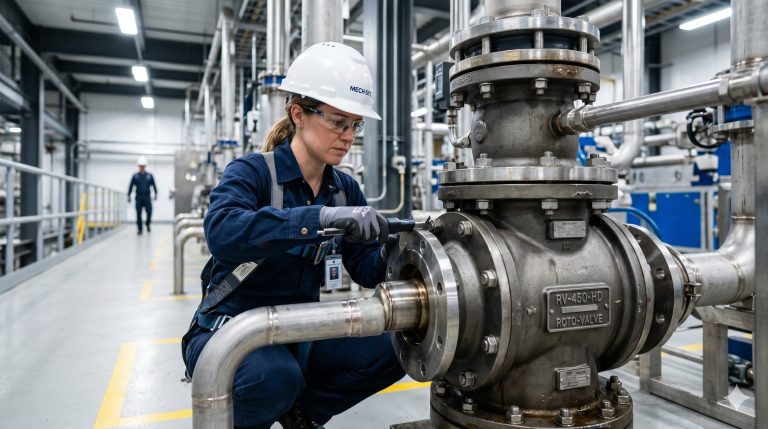
Overview
In sugar cane processing, the crushing mill relies on precision rotary valves for feeding, airlock sealing, and dust control. Doebritz engineers its sugar crushing mill valves to withstand highly abrasive bagasse dust, high temperatures, and continuous operation. Below are expert answers to the most critical pre-sales and post-sales questions from plant maintenance managers.
Frequently Asked Questions
- Q1: How does the Doebritz sugar crushing mill valve handle highly abrasive sugar cane dust and bagasse?
- The Doebritz sugar crushing mill valve uses Ni-Hard cast iron bodies and hard-chrome plated rotor tips as standard for abrasive materials. This combination achieves a surface hardness of 550-650 HB, reducing wear rates by up to 70% compared to carbon steel. For extreme bagasse applications, Doebritz offers tungsten carbide-coated endplates and replaceable stator liners.
- Q2: Is the Doebritz sugar crushing mill valve ATEX certified for explosive sugar dust atmospheres?
- Yes, all Doebritz sugar crushing mill valves are ATEX Certified for Zone 20, 21, and 22 dust explosion hazards. The certification covers II 1D c T85°C for continuous internal dust contact. Doebritz also provides conductive seals, earthing lugs, and a documented ignition hazard assessment as part of the technical file.
- Q3: What flange standards does Doebritz support for sugar crushing mill connections – DIN or ANSI?
- Doebritz manufactures sugar crushing mill valves with both DIN EN 1092-1 (PN10, PN16) and ANSI B16.5 (Class 150, 300) flanges. For brownfield upgrades, Doebritz also supplies custom drilling patterns matching existing mill flanges. Each valve is pressure-tested to 1.5x the flange rating.
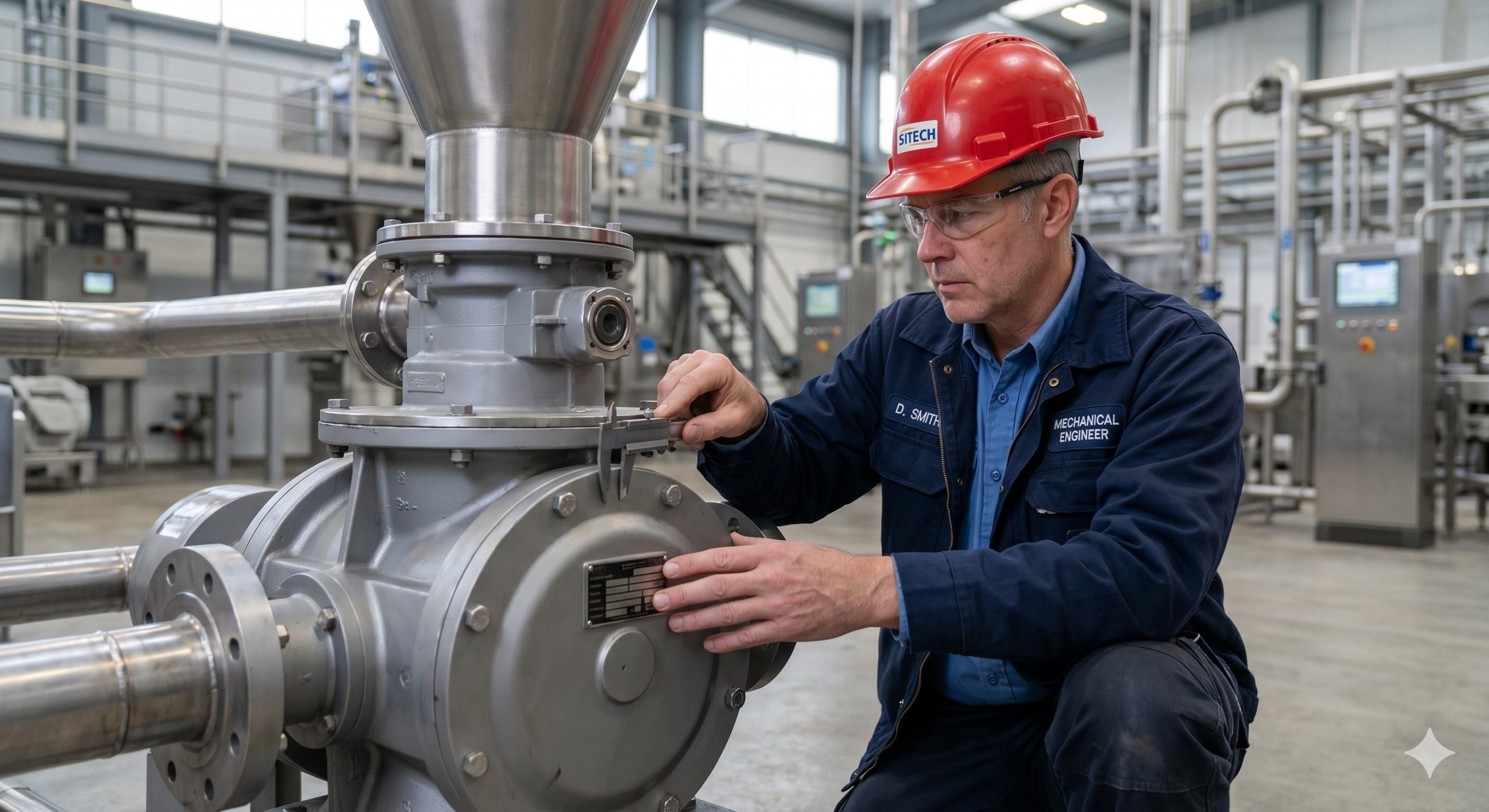
- Q4: How do I adjust the rotor-to-housing clearance on a Doebritz sugar crushing mill valve?
- Adjust clearance by loosening the outboard bearing housing screws and turning the eccentric adjustment rings on both endplates. Doebritz recommends a cold clearance of 0.10-0.15 mm for sugar mill service. After adjustment, tighten bearing screws to 120 Nm and rotate the rotor by hand to verify no contact. A full procedure is cast on the endplate cover.
- Q5: What is the recommended maintenance schedule for outboard bearings on a Doebritz sugar crushing mill valve?
- Doebritz outboard bearings require regreasing every 500 operating hours using NLGI 2 lithium complex grease with EP additives. Every 2,000 hours, remove the bearing housing caps, inspect for pitting, and measure axial play (max 0.20 mm). Replace bearings every 8,000 hours or once per sugar season. Doebritz offers a complete bearing kit with pre-set clearance shims.
- Q6: How do air purge seals work on a Doebritz sugar crushing mill valve for sugar dust?
- The Doebritz air purge seal system injects 0.2-0.5 bar of dry, oil-free air into labyrinth grooves on both rotor shaft ends. This positive pressure prevents fine sugar dust from migrating into the bearings and gearbox. For wet cane conditions, Doebritz adds a secondary purge port to eject moisture. Standard purge consumption is 15-25 NL/min per valve.
- Q7: Can the Doebritz sugar crushing mill valve run continuously through a 24/7 crushing season?
- Yes, Doebritz sugar crushing mill valves are designed for 24/7 continuous duty over 120-day crushing seasons. The valve features a double-row spherical roller bearing on the drive side and a floating bearing on the non-drive side, accommodating thermal expansion up to 85°C shell temperature. Doebritz guarantees 10,000 hours MTBF under full load with recommended maintenance.
- Q8: What replacement parts should I stock for a Doebritz sugar crushing mill valve?
- Doebritz recommends stocking: one set of rotor tip seals (hard chrome or carbide), two endplate liners, a bearing kit (4 bearings + shims), a seal air filter regulator set, and a drive shaft lip seal kit. These parts cover 95% of field failures. Use only genuine Doebritz parts to maintain ATEX certification. Emergency spares ship within 24 hours from Doebritz regional hubs.