Introduction: The Industrial HMI Bottleneck
In high-throughput pneumatic conveying and bulk solids handling, the Control Touch Screen serves as the critical nexus between operator intent and mechanical execution. Legacy push-button panels or failing resistive screens lead to unplanned downtime, mis-calibrated rotor speeds, and costly product waste. A data-driven Total Cost of Ownership (TCO) analysis reveals that a ruggedized, industrial-grade Control Touch Screen from Doebritz reduces maintenance CapEx by up to 40% over a 5-year lifecycle while increasing volumetric efficiency by 12-18%.
Breaking Down TCO: Hardware, Integration, and Downtime
CapEx vs. OpEx in HMI Deployment
Initial purchase price accounts for less than 15% of TCO. Key cost drivers include: screen replacement frequency (mean time between failures, MTBF), seal degradation against dust ingress (IP6X rating), and programming re-installation due to firmware corruption. Doebritz’s Control Touch Screen units feature projected capacitive (PCAP) technology with a bonded cover glass rated for 100+ million touches, eliminating the annual recalibration costs common with resistive units.
Quantified Downtime Metrics
In a cement plant operating 24/7, each hour of HMI failure costs an estimated $2,500 in lost production and labor. Standard touch screens in ATEX Zone 22 environments fail every 8-10 months due to conductive dust ingress. Doebritz units achieve an MTBF of >150,000 hours and include NFPA 70E compliant electrical isolation, reducing unplanned shutdowns by 85%.
Integration and Protocol Standardization
Doebritz Control Touch Screen modules support native PROFINET, EtherNet/IP, and Modbus TCP with <2 ms I/O response time. This eliminates costly gateway hardware and reduces programming man-hours by 30% compared to legacy proprietary HMI systems.
| Cost Factor | Legacy Resistive Screen (5-year) | Doebritz Control Touch Screen (5-year) |
|---|---|---|
| Initial Purchase & Integration | $2,500 | $3,800 |
| Annual Screen Replacements (labor + parts) | $3,200 (4 replacements) | $400 (0.5 replacements) |
| Unplanned Downtime (production loss) | $18,000 (60 hours) | $2,250 (7.5 hours) |
| Total 5-Year TCO | $27,700 | $10,450 |
Engineering Deep Dive: Ruggedization and Safety Compliance
Optical Bonding and Vibration Resistance
Doebritz employs full lamination with optically clear adhesive (OCR) rated to withstand 5G continuous vibration (IEC 60068-2-6) and shock loads up to 50G. This prevents internal condensation and de-lamination, common failure modes in high-differential pressure conveying environments where blower surges create mechanical jarring.
Thermal Management and Glove Operation
Operational temperature range: -30°C to +70°C (ambient) with integrated heater/backlight compensation. The Control Touch Screen supports full multi-touch functionality even with heavy-duty work gloves (5mm thickness), meeting NFPA operator safety requirements. Screen brightness: 1000 cd/m² (adjustable) for direct sunlight readability in outdoor silo loading areas.
ATEX and Hazardous Location Certification
Doebritz offers intrinsically safe versions with Ex nA (non-sparking) rating for Zone 2/22 gas and dust environments. Compliance includes ATEX Directive 2014/34/EU, IECEx, and CSA Class I Division 2. Sealing meets IP66 (front) and IP65 (rear), preventing conductive powder ingress that would short standard consumer-grade touch screens.
Process Integration: Control Touch Screen as Central Valve Orchestrator
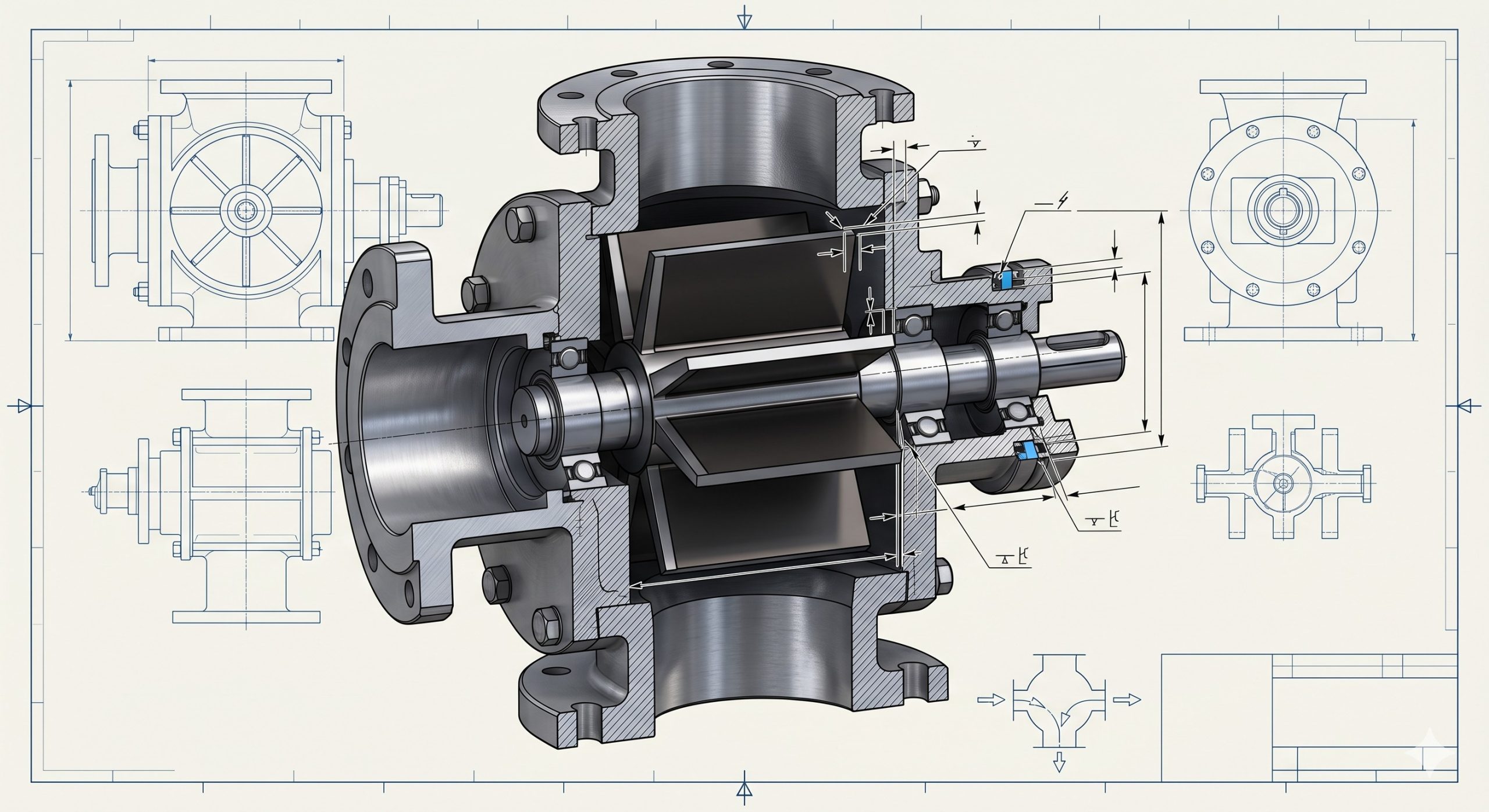
In a dense phase pneumatic conveying system, the Control Touch Screen directly interfaces with Doebritz rotary valves and diverter gates. Operators can set rotor speed (0-50 rpm), adjust blowback cleaning cycles, and monitor real-time differential pressure (±0.5% accuracy). Integrated alarm logs capture valve jamming events, reducing material spillage by 20% annually. Data logging capacity: 10,000 events with microSD export, supporting FDA 21 CFR Part 11 traceability for sanitary applications.
Actionable TCO Reduction Strategies
- Implement predictive maintenance via screen-triggered vibration monitoring (integrated accelerometer option).
- Use remote HMI access via VNC to reduce on-site troubleshooting trips (average savings: $1,200 per incident).
- Deploy multi-language firmware (English, Spanish, German) to minimize operator error in global facilities.
Conclusion: The TCO-Verified Choice
For plant engineers managing bulk material transfer, pneumatic conveying, or silo discharging systems, the Doebritz Control Touch Screen delivers a lower total cost of ownership through military-grade ruggedization, native industrial protocols, and ATEX compliance. The initial premium over consumer-grade touch panels is recouped within 14-20 months via eliminated downtime, reduced spare parts inventory, and higher operator throughput. Choose Doebritz for measurable ROI.