Overview
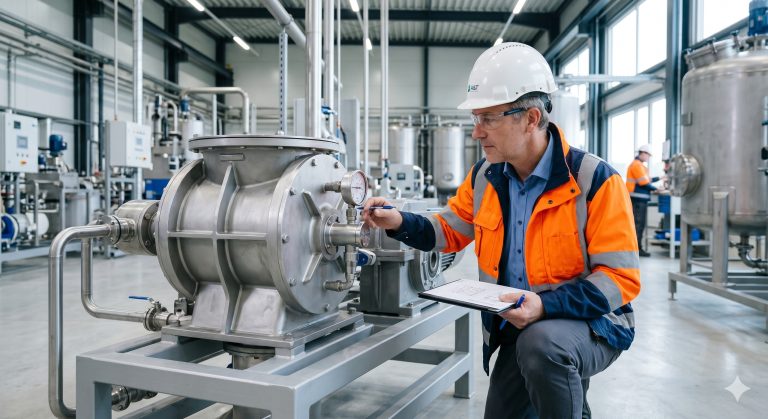
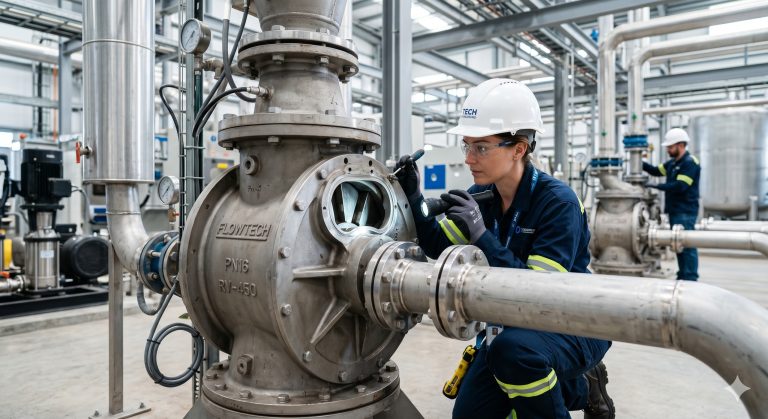
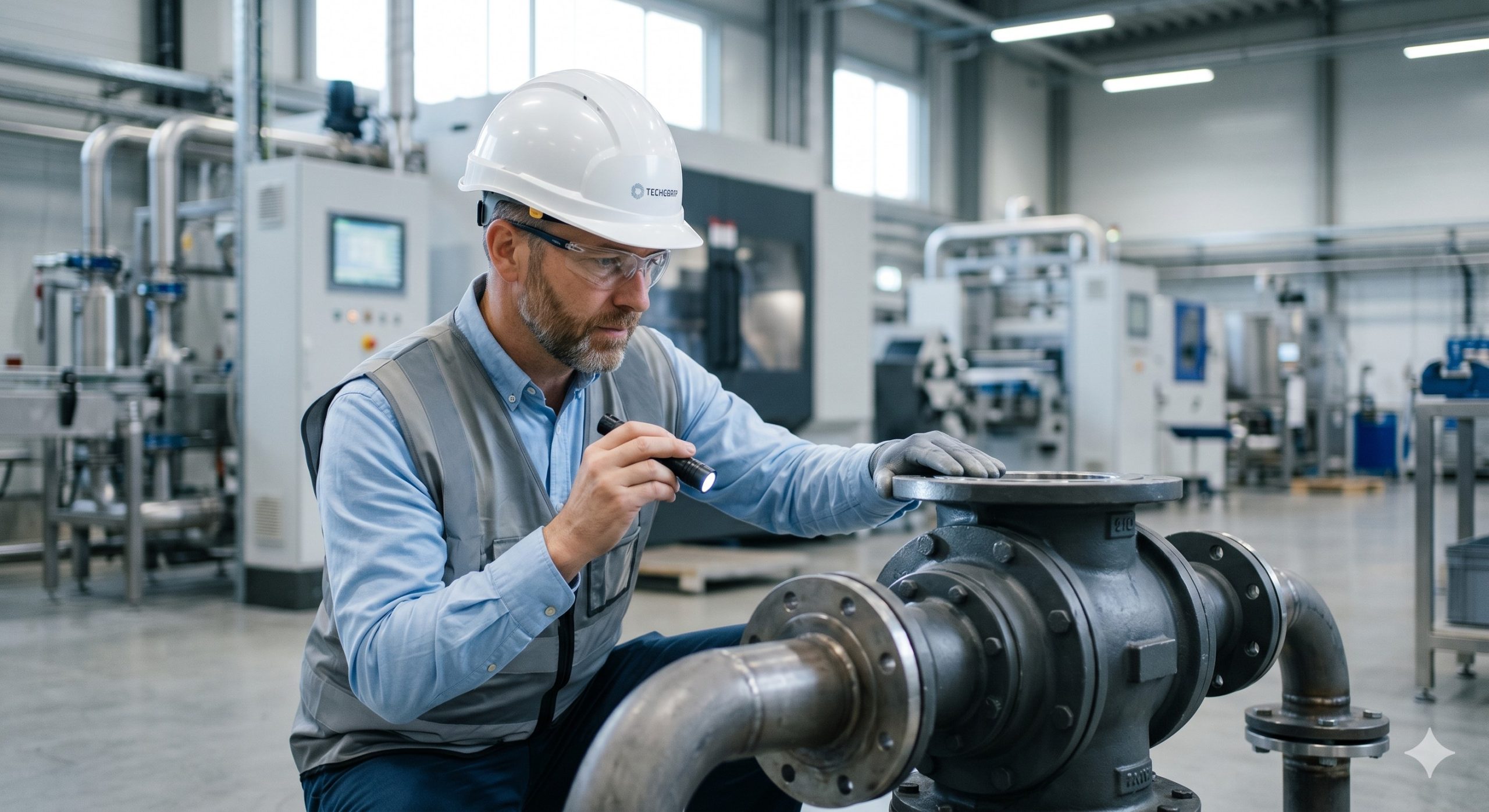
For plant maintenance managers and procurement engineers, the Doebritz driving belt is a critical rotary airlock component that directly impacts volumetric efficiency and material flow consistency. This FAQ addresses pre-sales technical specifications (flange standards, abrasive handling, ATEX) and post-sales maintenance (clearance adjustment, bearing care, purge seals). All answers are based on Doebritz engineering standards.
Frequently Asked Questions
- Q1: What flange standards are available for the Doebritz driving belt (DIN vs. ANSI) and can you match non-standard heights?
- The Doebritz driving belt is available with both DIN (EN 1092-1) PN6/PN10 and ANSI (ASME B16.5) Class 150 flanges as standard. For custom heights, Doebritz offers a bespoke flange-matching service within 1-2 weeks drawing approval—simply provide your existing flange drilling template or mating equipment drawing.
- Q2: How does the Doebritz driving belt handle highly abrasive materials like cement or fly ash?
- For abrasive bulk solids, Doebritz equips the driving belt with a Ni-Hard cast iron rotor (550+ BHN) or hard-chrome plated housing internals (65 HRC minimum). Additionally, a replaceable wear liner can be retrofitted to the inlet, extending service life by 3-5x compared to standard cast iron.
- Q3: Is the Doebritz driving belt ATEX certified for explosive dust atmospheres?
- Yes, the Doebritz driving belt is ATEX-certified for Zone 21 and Zone 22 dust environments (II 2D Ex h IIIC Txxx°C). The explosion isolation mechanism includes a flame path gap (rotor-to-housing clearance <0.15mm) and a certified short-circuit shaft design to prevent pressure piling downstream.
- Q4: How do I adjust the rotor-to-housing clearance on a Doebritz driving belt after wear?
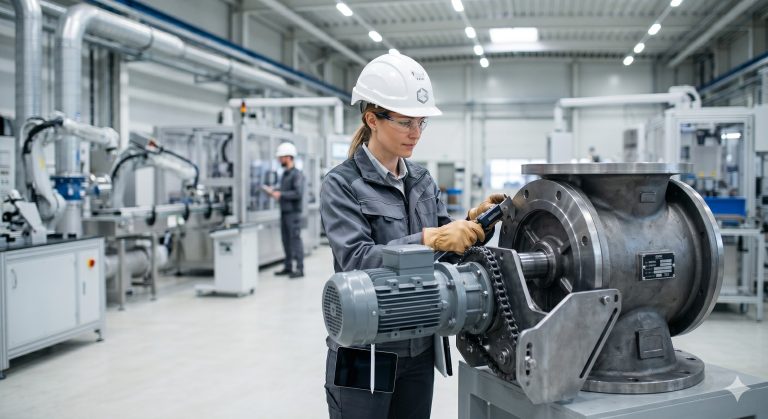
- The Doebritz driving belt features externally adjustable eccentric end covers. Loosen the four M16 retaining bolts, turn the adjustment screws clockwise in 0.05mm increments using a dial gauge, then retorque to 210 Nm. The minimum safe clearance for powders is 0.10mm; for pellets, 0.20mm.
- Q5: What is the recommended maintenance schedule for outboard bearings and air purge seals?
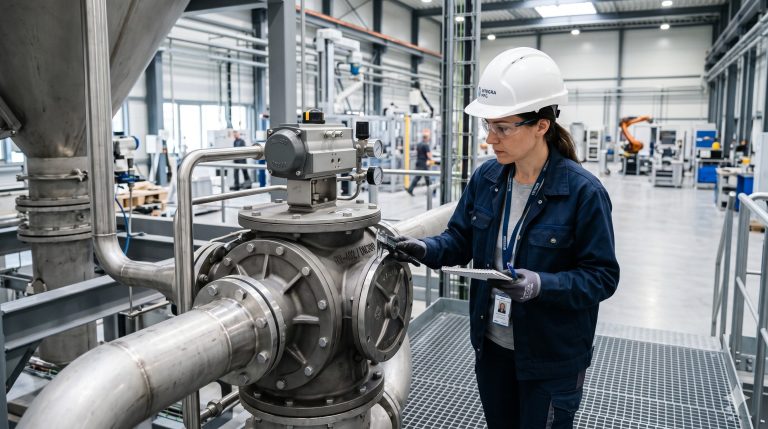
- Doebritz outboard bearings require regreasing every 2,000 operating hours (lithium complex NLGI 2). The air purge seal assembly—which prevents dust ingress—needs weekly filter checks (5µm element) and quarterly lip seal replacement. A continuous purge of 0.2-0.5 bar above conveying pressure is mandatory.
- Q6: What are the production lead times and what material certifications do you provide?
- Standard Doebritz driving belt sizes (150mm to 500mm) ship within 10-15 working days. For custom flanges or Ni-Hard castings, lead time is 25-30 days. Every unit includes EN 10204 3.1 material certificates (chemistry and mechanicals) plus a dimensional inspection report. Batch traceability is standard for all pressure-bearing parts.
- Q7: How do I troubleshoot air leakage past the rotor in my Doebritz driving belt?
- Air leakage exceeding 3% of conveying volume typically indicates end-cover seal wear or excessive rotor clearance. First, check the PTFE lantern ring packing—tighten gland nuts evenly to 25 Nm. If leakage persists, measure clearance with feeler gauges; replace rotor end-plates or order a factory re-machining service from Doebritz.