Overview
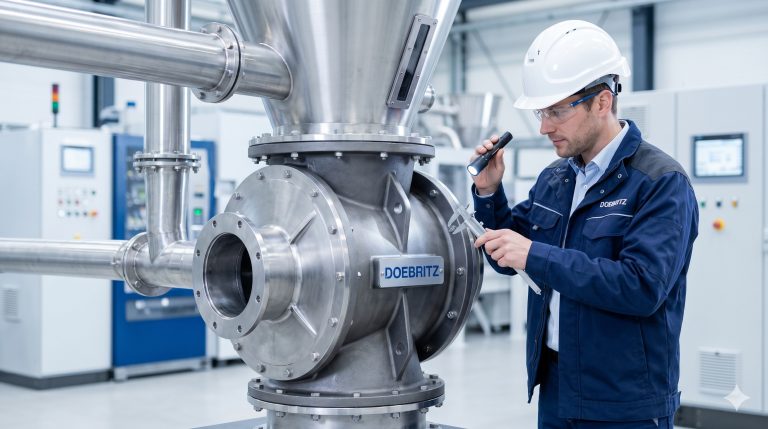
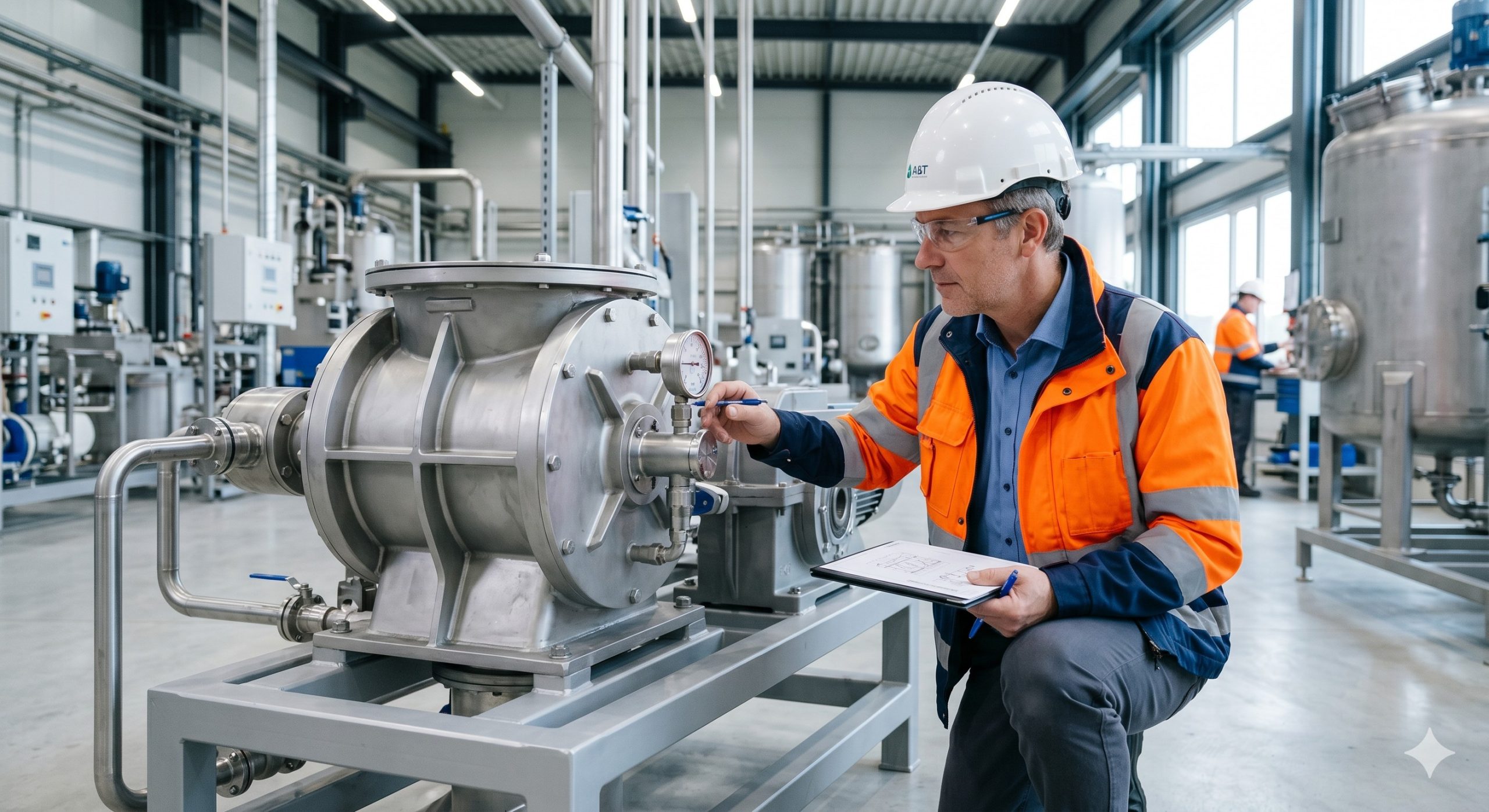
The Doebritz Portable Cone Mill is engineered for high-efficiency sizing and deagglomeration of dry bulk powders and wet granules in pharmaceutical, chemical, and food processing. Plant maintenance managers and procurement engineers require definitive answers on regulatory compliance, component wear, and serviceability. Below are the most critical technical questions answered with direct, actionable information.
Frequently Asked Questions
- Q1: Is the Doebritz Portable Cone Mill ATEX certified for explosive dust atmospheres?
- Yes, all Doebritz Portable Cone Mills are available with full ATEX Zone 21 and Zone 22 certification as standard options. The mill features a grounded stator, anti-static silicone seals, and a low-friction drive train to prevent spark generation. For Zone 20 applications, contact Doebritz engineering for a customized inert gas purge configuration.
- Q2: How does the Doebritz Portable Cone Mill handle highly abrasive materials like alumina or silica?
- The Doebritz Portable Cone Mill handles highly abrasive powders using a Ni-Hard cast iron rotor and stator, or optional hard-chrome plated 316L stainless steel for food-grade applications. Wear life is extended by a unique conical gap geometry that reduces particle compression. For extreme abrasives, specify the tungsten carbide-coated impeller option.
- Q3: What flange standards does the Doebritz Portable Cone Mill support for inlet and outlet connections?
- The Doebritz Portable Cone Mill supports both DIN (EN 1092-1) and ANSI (ASME B16.5) flange standards from DN50 to DN300 (2′ to 12′). All mills ship with a dual-drilled flange pattern as standard, eliminating adapter plates. Custom flanges including JIS and sanitary tri-clamp fittings are available within 5 working days.
- Q4: How often must the outboard bearing be greased or replaced on a Doebritz Portable Cone Mill?
- Doebritz outboard bearings require regreasing every 2,000 operating hours using NLGI 2 lithium complex grease, with full replacement at 15,000 hours. The bearing housing includes a flush-type grease fitting and a purge port to prevent over-greasing. For 24/7 continuous duty, install the optional automatic lubrication system for 10,000-hour service intervals.
- Q5: How do I adjust the conical rotor-to-stator clearance on a Doebritz Portable Cone Mill?
- Adjust clearance by loosening three locking bolts on the front bearing housing, then turning the eccentric adjustment ring labeled ‘A’ (coarse) and ‘B’ (fine). Target clearance range is 0.5mm to 5.0mm depending on your target particle size (D90). A step-by-step video and PDF manual with torque specifications are included with every mill.
- Q6: Does the Doebritz Portable Cone Mill use air purge seals to prevent dust leakage?
- Yes, the Doebritz Portable Cone Mill is equipped with integrated labyrinth air purge seals on both the drive shaft and outboard bearing side as standard. A clean, dry compressed air supply at 0.5-1.0 bar (7-15 psi) creates a positive pressure barrier, preventing fine dust ingress into bearings. For sticky or hygroscopic materials, upgrade to double-acting mechanical purge seals with pressure monitoring.
- Q7: Can the Doebritz Portable Cone Mill be cleaned without disassembly between batches?
- Yes, the Doebritz Portable Cone Mill features a split-hinge design allowing full access to the conical screen and rotor in under 60 seconds without tools. For WIP (Wash-In-Place), connect a CIP spray nozzle to the integrated flush port on the inlet flange. For pharmaceutical applications, electropolished surface finish (Ra < 0.4µm) is available for rapid validation.
- Q8: What is the typical lead time for a Doebritz Portable Cone Mill with an outboard bearing configuration?
- Standard Doebritz Portable Cone Mills with outboard bearings ship within 4 weeks ARO (After Receipt of Order) for 316L stainless steel construction. For expedited orders with DIN flanges and standard clearances, 2-week lead times are available. Custom configurations including ATEX, Ni-Hard internals, or ANSI flanges require 6 to 8 weeks.