Overview
For plant managers and procurement specialists, the decision to choose a rotary valve often comes down to more than just the initial purchase price. The true measure of cost-effectiveness lies in the Total Cost of Ownership (TCO). Doebritz rotary valves are engineered to deliver exceptional long-term value by minimizing downtime, extending Mean Time Between Failures (MTBF), and offering robust features that directly compete with, and often surpass, the performance of established European brands. This FAQ addresses the key pre-sales and post-sales questions that reveal the significant ROI of choosing Doebritz.
Frequently Asked Questions
- Q1: What makes Doebritz more cost-effective than traditional European rotary valve brands in the long run?
- Doebritz achieves superior cost-effectiveness through a combination of competitive initial pricing and drastically lower Total Cost of Ownership (TCO). This is realized through extended component lifespan, reduced maintenance frequency, and minimized production downtime, all of which directly impact your plant’s bottom line.
- Q2: How does the Doebritz rotary valve handle highly abrasive materials compared to European alternatives?
- Doebritz valves are engineered to withstand severe abrasion using heavy-duty construction with Ni-Hard cast iron or hard-chrome plated internals, and options for tungsten carbide-tipped rotor vanes. This level of wear resistance often matches or exceeds the specifications of premium European models, preventing premature failure and ensuring a longer operational life in harsh applications like mineral processing or fly ash transport.
- Q3: Does Doebritz offer ATEX-certified models and explosion isolation features comparable to European standards?
- Yes, Doebritz rotary valves are fully compliant with ATEX and IECEx standards, providing certified protection for explosive environments and acting as effective flame barriers. This ensures your plant meets stringent safety regulations without the premium price tag often associated with European ATEX-certified equipment.
- Q4: Can Doebritz manufacture valves with custom flanges to match my existing DIN or ANSI piping system?
- Absolutely. Doebritz offers full customization to meet your plant’s specifications, including machining flange hole patterns to DIN PN10 or ANSI 150 standards. This flexibility eliminates the need for costly pipe modifications, making them a drop-in replacement for many European-made units.
- Q5: How do the maintenance procedures, like clearance adjustment and rotor inspection, compare to European brands?
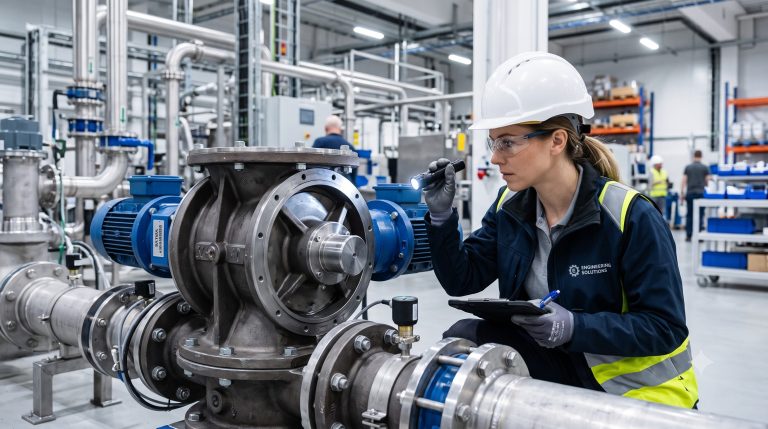
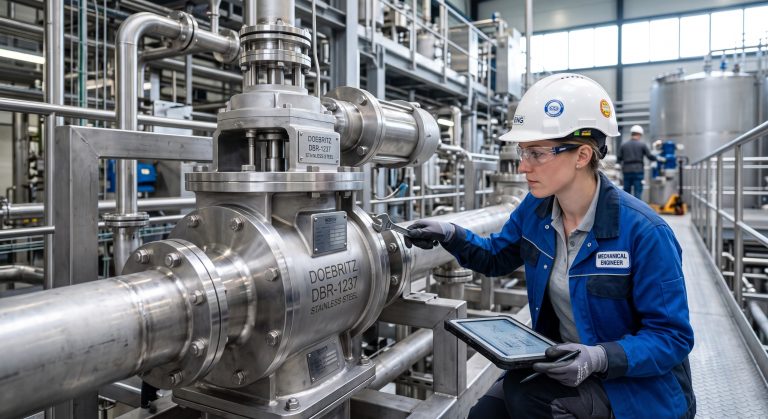
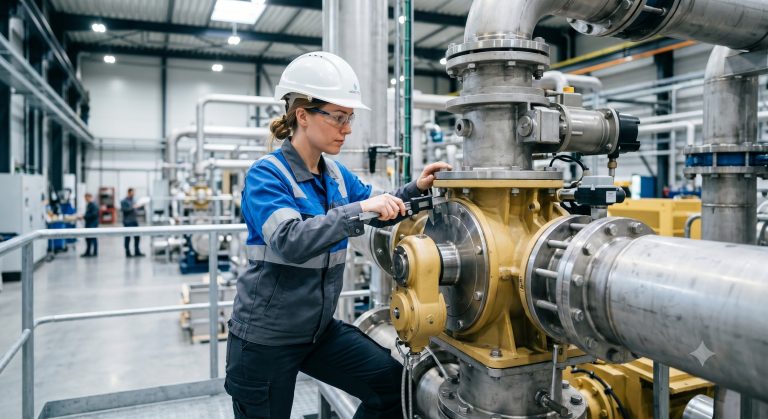
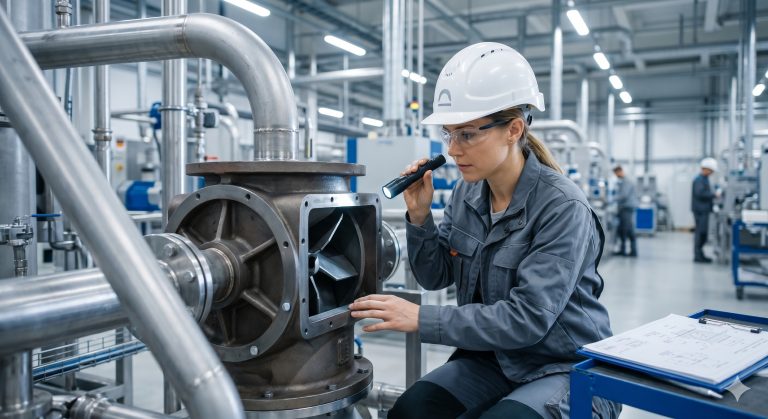
- Doebritz significantly simplifies maintenance with innovative quick-dismounting designs. Features like slide-out guide rails or extractable rotors allow operators to inspect and adjust rotor-to-housing clearances without unbolting heavy pipeline components, drastically reducing labor hours and downtime compared to many standard European designs.
- Q6: What bearing protection features does Doebritz offer to ensure long-term reliability?
- To protect critical bearings from fine powder ingress, Doebritz employs advanced sealing systems including outboard bearings, double lip seals, and air purge systems with lantern rings. This active barrier keeps abrasive dust away from bearings, significantly extending their life and preventing unexpected shutdowns.
- Q7: How does the volumetric efficiency and air leakage rate of Doebritz valves compare to European competitors?
- Doebritz valves are precision-machined to maintain tight internal clearances (as low as 0.10–0.20 mm), which minimizes blowback air and leakage rates, ensuring high volumetric efficiency. This performance is on par with high-end European brands, ensuring your pneumatic conveying system operates at peak energy efficiency.