
Introduction: The Core Dilemma in Bulk Solids Handling
In the engineering of powder handling systems, one of the most critical decisions is selecting the optimal feeding methodology. The debate between gravimetric vs volumetric feeding underpins the efficiency, accuracy, and reliability of production lines across the chemical, food, pharmaceutical, and battery material sectors. For engineers, plant managers, and system integrators, the choice is a rigorous engineering calculation rather than a mere preference. While volumetric systems provide a cost-effective solution for free-flowing materials, gravimetric systems offer the closed-loop precision demanded by modern Industry 4.0 processes . This guide provides a deep technical analysis of both methods, focusing on the critical role of high-performance rotary valves as the interface between storage and the process. We will dissect the engineering principles, discuss the metallurgical and clearances required for robust operation, and explore how Doebritz engineering delivers superior airlock efficiency for both feeding strategies.

The Engineering Physics of Feeding: Volumetric vs Gravimetric
From a mechanical engineering perspective, feeding technologies are bifurcated into two distinct control loops: open-loop (volumetric) and closed-loop (gravimetric).
Volumetric Feeding: The Open-Loop Approach
A volumetric feeder operates by controlling the displacement of material per unit of time. Typically utilizing a rotating screw, rotary valve, or twin-screw mechanism, the device creates a fixed cavity volume that is filled and discharged as the rotor turns at a set speed (RPM) . The feed rate is calibrated manually by catching and weighing a timed sample. However, these systems are susceptible to critical errors. Bulk density, air content, and material pressure fluctuations inside the hopper alter the mass flow rate . Because there is no direct measurement of the output weight, volumetric feeders cannot compensate for these changes, making them unsuitable for applications requiring high accuracy or handling variable materials .
Gravimetric Feeding: The Closed-Loop Precision
Conversely, gravimetric feeding fundamentally changes the control variable from volume to mass. Systems such as Loss-in-Weight (LIW) feeders utilize load cells to continuously record the weight loss of the feeder and its contents . A computer calculates the loss rate and modulates the speed of the feeding device (e.g., a rotary valve) using a PID (Proportional-Integral-Derivative) algorithm to maintain a set mass flow rate . This closed-loop feedback system eliminates the inaccuracies caused by bulk density fluctuations and ensures consistent throughput, which is critical for applications like pharmaceutical ingredient blending and battery material mixing.
The Role of the Rotary Valve in Modern Feeding Systems
Regardless of whether the system measures volume or weight, the mechanical workhorse delivering the material is often a rotary valve. In a volumetric system, the valve acts as the metering device; the volume of the rotor pockets determines the theoretical discharge capacity (L/rev). In a gravimetric system, the rotary valve is the controlled actuator that responds to the weight signal to maintain accuracy.
High-performance rotary valves, such as those engineered by Doebritz, are critical for ensuring that the selected feeding strategy delivers intended results.
Critical Engineering Parameters: Locking Air, Not Material
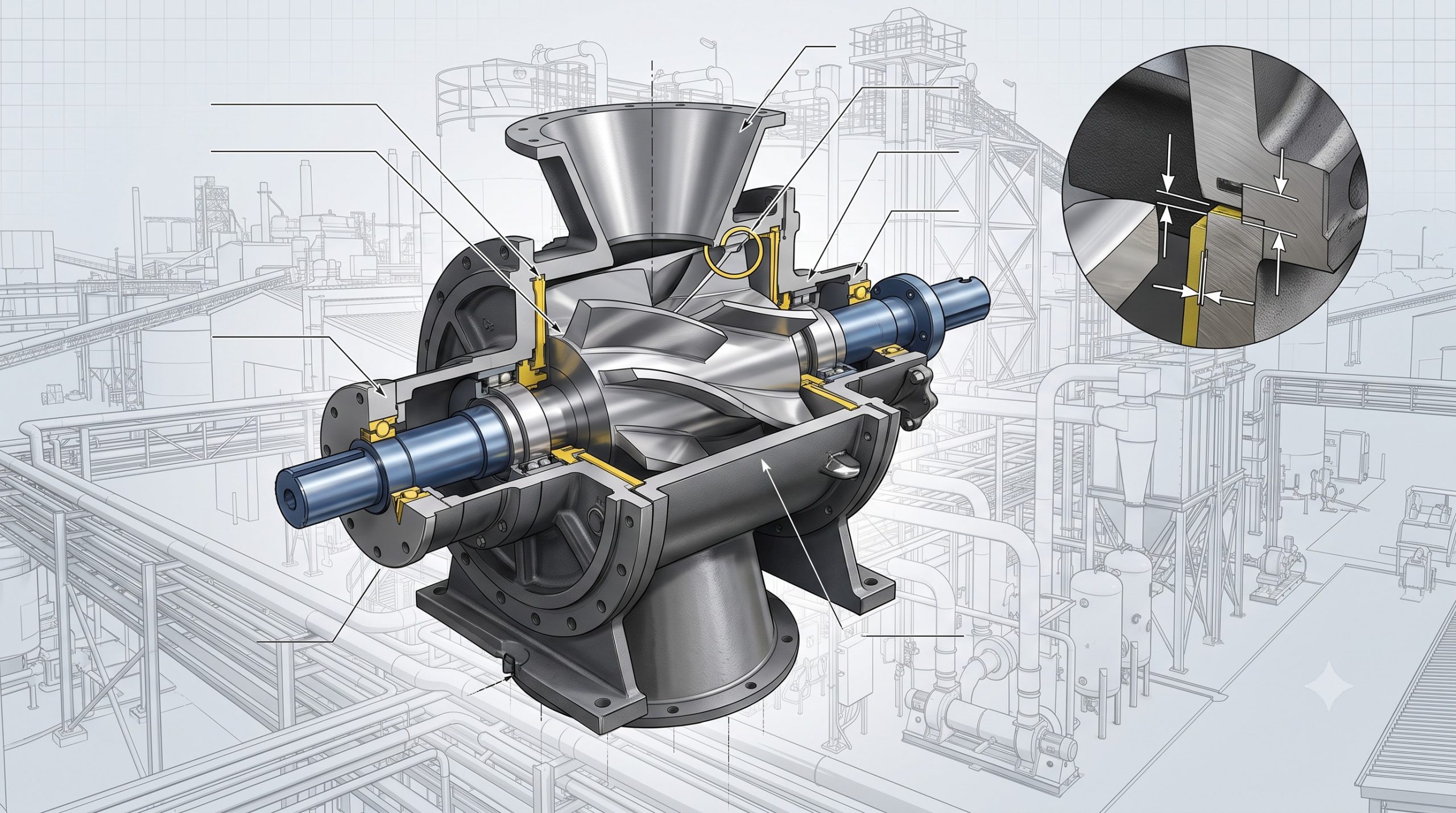
The ability of a rotary valve to minimize air leakage (Airlock efficiency) is paramount. This is governed by the rotor-to-housing clearance. Achieving a clearance of 0.1 to 0.2 mm is essential to reduce air slip, which can disrupt the material flow and affect the accuracy of both volumetric and gravimetric feeders [citation:citations]. A lower air leak rate ensures that the blowback air does not counter the force of gravity in the inlet, preventing material packing and jamming. This precise machining is a key differentiator in Doebritz designs, ensuring that the valve acts as a true airlock while maintaining the feeding accuracy.
| Key Parameter | Technical Specification | |||||||||||||||||||||||||||||||||||||||||||||||||||||||||||||||||||||||||||
|---|---|---|---|---|---|---|---|---|---|---|---|---|---|---|---|---|---|---|---|---|---|---|---|---|---|---|---|---|---|---|---|---|---|---|---|---|---|---|---|---|---|---|---|---|---|---|---|---|---|---|---|---|---|---|---|---|---|---|---|---|---|---|---|---|---|---|---|---|---|---|---|---|---|---|---|---|
| Airlock Differential Pressure | Up to 1.0 Bar (Dense Phase) | |||||||||||||||||||||||||||||||||||||||||||||||||||||||||||||||||||||||||||
| Operating Temperature | Ambient: -15°C to +60°C; Material: 0°C to 120°C | |||||||||||||||||||||||||||||||||||||||||||||||||||||||||||||||||||||||||||
| Rotor-to-Housing Radial Clearance | 0.1 mm – 0.2 mm (Precision CNC Machined) | |||||||||||||||||||||||||||||||||||||||||||||||||||||||||||||||||||||||||||
| Standard Materials | SUS304, SUS316L, Carbon Steel (Painted/Nickel-Plated) | |||||||||||||||||||||||||||||||||||||||||||||||||||||||||||||||||||||||||||
| Wear-Resistant Coatings | Tungsten Carbide Coating, Ceramic Coating, Polymer Liners (PE, PTFE, PA) | |||||||||||||||||||||||||||||||||||||||||||||||||||||||||||||||||||||||||||
| Surface Finish (Hygienic) | Mirror Polish; Ra ≤ 0.4 μm (Internal) | |||||||||||||||||||||||||||||||||||||||||||||||||||||||||||||||||||||||||||
| Explosion Protection | ATEX Certified for Zone 20/21/22; Pressure Shock Resistance up to 16 Bar | |||||||||||||||||||||||||||||||||||||||||||||||||||||||||||||||||||||||||||
| Hygiene / Cleanability | Quick-Release (Tool-less Disassembly), CIP/SIP Compliant | |||||||||||||||||||||||||||||||||||||||||||||||||||||||||||||||||||||||||||
| F | o | o | d | , | P | h | a | r | m | a | c | e | u | t | i | c | a | l | s | , | C | h | e | m | i | c | a | l | s | , | B | a | t | t | e | r | y | M | a | t | e | r | i | a | l | s | ( | N | M | C | , | G | r | a | p | h | i | t | e | ) | , | P | l | a | s | t | i | c | s | |||||||
| S | a | n | i | t | a | r | y | , | Q | u | i | c | k | – | C | l | e | a | n | , | A | T | E | X | – | C | e | r | t | i | f | i | e | d | , | W | e | a | r | – | R | e | s | i | s | t | a | n | t | ( | T | u | n | g | s | t | e | n | C | a | r | b | i | d | e | ) |
Material Metallurgy and Surface Engineering
The operational environment dictates the material selection. For basic applications, SUS304 offers sufficient corrosion resistance. However, for food, pharmaceutical, and chemical applications, SUS316L is specified due to its superior resistance to corrosive cleaning agents. In high-abrasion scenarios (e.g., carbon black, lithium battery materials), engineering solutions are critical. The housing and rotor can be coated with Tungsten Carbide or Ceramic coatings (typically achieving hardness >60 HRC) to combat wear [citation:citations]. Doebritz also offers polymer liners such as PE, PTFE, and PA for applications requiring non-stick or FDA-compliant surfaces.
Safety Compliance: ATEX and High Pressure
When feeding combustible materials, compliance with the ATEX directive is mandatory. Doebritz rotary valves are engineered to handle ZONE 20/21/22 environments [citation:citations]. The design includes precision-machined clearances to prevent frictional ignition and robust housing capable of withstanding 16 Bar pressure containment in the event of a deflagration. This feature is vital in dense phase pneumatic conveying.
Technical Specifications Overview
The following table summarizes key technical benchmarks for the Doebritz Quick-Release Rotary Valve (DBR-1237) that are relevant to both feeding strategies.
| Key Parameter | Technical Specification | |||||||||||||||||||||||||||||||||||||||||||||||||||||||||||||||||||||||||||
|---|---|---|---|---|---|---|---|---|---|---|---|---|---|---|---|---|---|---|---|---|---|---|---|---|---|---|---|---|---|---|---|---|---|---|---|---|---|---|---|---|---|---|---|---|---|---|---|---|---|---|---|---|---|---|---|---|---|---|---|---|---|---|---|---|---|---|---|---|---|---|---|---|---|---|---|---|
| Airlock Differential Pressure | Up to 1.0 Bar (Dense Phase) | |||||||||||||||||||||||||||||||||||||||||||||||||||||||||||||||||||||||||||
| Operating Temperature | Ambient: -15°C to +60°C; Material: 0°C to 120°C | |||||||||||||||||||||||||||||||||||||||||||||||||||||||||||||||||||||||||||
| Rotor-to-Housing Radial Clearance | 0.1 mm – 0.2 mm (Precision CNC Machined) | |||||||||||||||||||||||||||||||||||||||||||||||||||||||||||||||||||||||||||
| Standard Materials | SUS304, SUS316L, Carbon Steel (Painted/Nickel-Plated) | |||||||||||||||||||||||||||||||||||||||||||||||||||||||||||||||||||||||||||
| Wear-Resistant Coatings | Tungsten Carbide Coating, Ceramic Coating, Polymer Liners (PE, PTFE, PA) | |||||||||||||||||||||||||||||||||||||||||||||||||||||||||||||||||||||||||||
| Surface Finish (Hygienic) | Mirror Polish; Ra ≤ 0.4 μm (Internal) | |||||||||||||||||||||||||||||||||||||||||||||||||||||||||||||||||||||||||||
| Explosion Protection | ATEX Certified for Zone 20/21/22; Pressure Shock Resistance up to 16 Bar | |||||||||||||||||||||||||||||||||||||||||||||||||||||||||||||||||||||||||||
| Hygiene / Cleanability | Quick-Release (Tool-less Disassembly), CIP/SIP Compliant | |||||||||||||||||||||||||||||||||||||||||||||||||||||||||||||||||||||||||||
| F | o | o | d | , | P | h | a | r | m | a | c | e | u | t | i | c | a | l | s | , | C | h | e | m | i | c | a | l | s | , | B | a | t | t | e | r | y | M | a | t | e | r | i | a | l | s | ( | N | M | C | , | G | r | a | p | h | i | t | e | ) | , | P | l | a | s | t | i | c | s | |||||||
| S | a | n | i | t | a | r | y | , | Q | u | i | c | k | – | C | l | e | a | n | , | A | T | E | X | – | C | e | r | t | i | f | i | e | d | , | W | e | a | r | – | R | e | s | i | s | t | a | n | t | ( | T | u | n | g | s | t | e | n | C | a | r | b | i | d | e | ) |
Integration in Industrial Scenarios
Food & Pharma: Sanitary and GMP Compliance
In food and pharmaceutical applications, accuracy and sterility are non-negotiable. A gravimetric system using a Doebritz sanitary quick-release valve ensures precise recipe management (metering). The 316L mirror-polished surface (Ra ≤ 0.4 µm) and quick-disassembly capability (tool-less) allow for efficient CIP and SIP processes, eliminating cross-contamination risk and meeting strict FDA and GMP standards .
High-Abrasion & Explosive Environments
In heavy industry, processing materials like petroleum coke or titanium dioxide presents dual challenges of wear and explosion risk. A volumetric feeder, operating at a fixed speed, relies on the rotary valve’s tungsten carbide-coated rotor to maintain volume consistency despite wear. The Doebritz valve’s outboard bearing design isolates the bearing from the dusty atmosphere, extending MTBF (Mean Time Between Failures) even in the most punishing conditions.
Challenges in Integrating Feeding Systems with Rotary Valves
- Blowback and Flooding: In pneumatic conveying, high differential pressure across the valve can force air back through the rotor pockets, disrupting the flow of material into the valve. Doebritz’s precision clearance of 0.1 mm minimizes this blowback, ensuring the material fills the pocket completely—a prerequisite for both gravimetric accuracy and volumetric stability.
- Thermal Expansion: The operating temperature range of -15°C to 120°C can alter clearances. The valve must be engineered to maintain its tolerances despite thermal expansion, preventing rotor lock-up or excessive leakage.
Conclusion: Selecting the Right Strategy
The decision between volumetric and gravimetric feeding hinges on the required accuracy and the nature of the material. Volumetric feeding offers a lower capital expenditure and mechanical simplicity for free-flowing materials where minor variations in density do not impact product quality . However, gravimetric feeding is overwhelmingly the preferred method for high-value, high-accuracy processes, offering the control necessary to eliminate waste and ensure batch consistency .
In both scenarios, the selection of the rotary valve is mission-critical. It is the actuator that must deliver precise volume or respond instantly to weight signals. Doebritz rotary valves, with their precision-engineered clearances, robust metallurgy (SUS316L, Tungsten Carbide), and safety certifications (ATEX, CE), provide the secure foundation upon which reliable feeding systems are built. Whether integrating a new gravimetric system or optimizing an existing volumetric line, the mechanical integrity and airlock efficiency of the Doebritz valve ensure that the plant operates at peak volumetric efficiency and cost-effectiveness.