Overview
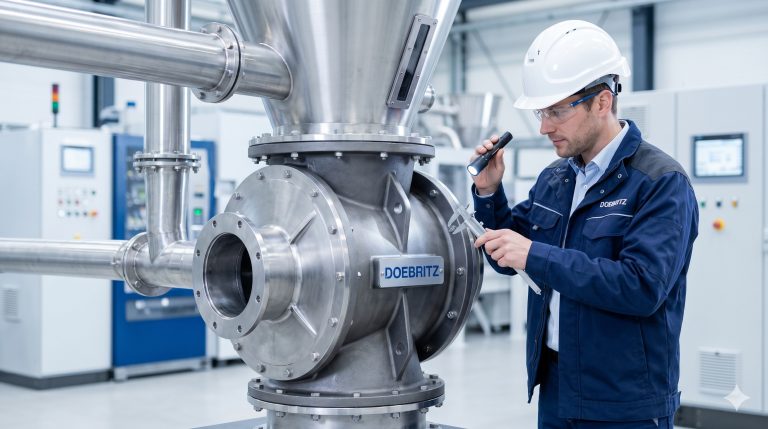
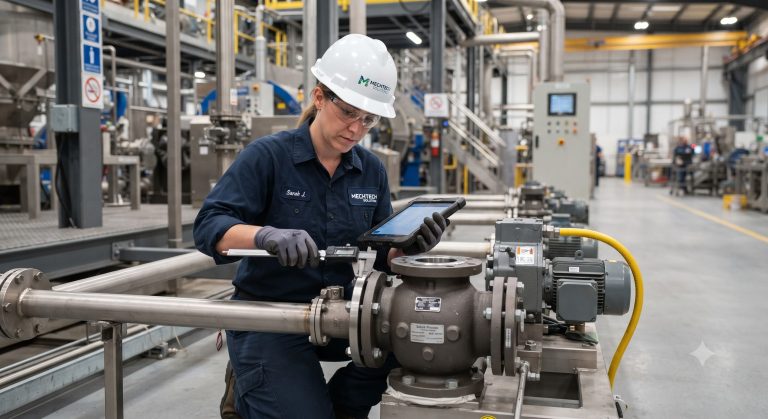
Doebritz rotating blade valves are engineered for heavy industrial metering and airlock service in pneumatic conveying, dust collection, and bulk discharge systems. This FAQ addresses the most critical technical, procurement, and maintenance questions from plant engineers and maintenance managers worldwide.

Frequently Asked Questions
- Q1: How does the Doebritz rotating blade valve handle highly abrasive bulk materials like cement, fly ash, or alumina?
- Doebritz rotating blade valves handle abrasive materials using Ni-Hard cast iron rotors and housings or hard-chrome plated contact surfaces. These materials achieve 58-62 HRC hardness, reducing wear rates by up to 70% compared to standard carbon steel. For extreme service, Doebritz offers replaceable abrasion-resistant liner kits and adjustable rotor tip clearance to maintain volumetric efficiency over extended service life.
- Q2: Is the Doebritz rotating blade valve available with ATEX certification for explosive dust atmospheres?
- Yes, select Doebritz rotating blade valve configurations are ATEX-certified for Zone 21 and Zone 22 dust explosive atmospheres, compliant with 2014/34/EU. The ATEX design features explosion-isolated outboard bearings, reinforced housing thickness, and earthing provisions to prevent electrostatic discharge. For Zone 20 applications, Doebritz offers a specialized continuous-purge housing with inert gas connection.
- Q3: What flange standards are available for Doebritz rotating blade valves, and can they match existing DIN or ANSI installations?
- Doebritz rotating blade valves are available with DIN EN 1092-1 (PN6 to PN40) and ANSI B16.5 (Class 150, 300) flanges as standard. Custom drilling patterns, non-standard centerline heights, and square/rectangular flanges for silo discharge are available with lead times of 3-4 weeks. Each valve includes a material traceability certificate and dimensional report upon request.
- Q4: How do I adjust rotor-to-housing clearance on an installed Doebritz rotating blade valve when wear increases leakage?
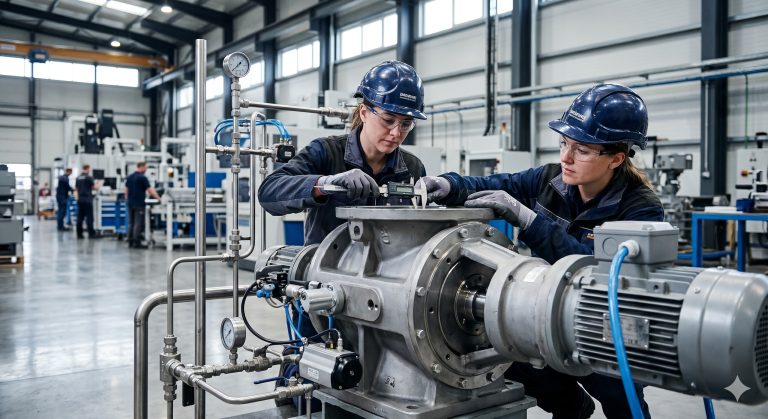
- To adjust rotor-to-housing clearance on a Doebritz rotating blade valve, first loosen the outboard bearing housing bolts, then use the dedicated eccentric adjustment cams or shim packs located at both bearing supports. The target clearance for dry powders is 0.10-0.15 mm per side; for abrasive materials, Doebritz recommends setting initial clearance to 0.20-0.25 mm. Re-torque bearing bolts to factory specifications after adjustment.
- Q5: What is the correct procedure for maintaining outboard bearings and shaft seals on a Doebritz rotating blade valve?
- Doebritz rotating blade valves with outboard bearings require regreasing every 2,000 operating hours using NLGI 2 lithium-complex grease via the installed zerks. The shaft sealing system—typically triple lip seals with a lantern ring—should be inspected every 6 months. For air purge seal versions, maintain purge air at 0.2-0.5 bar above line pressure; do not exceed 2.0 bar differential to avoid seal blowout.
- Q6: Can the Doebritz rotating blade valve be used under dust collectors for continuous ash discharge at high temperatures?
- Yes, the Doebritz rotating blade valve is designed for dust collector discharge, including fly ash up to 220°C continuous with standard clearances. For temperatures from 220°C to 350°C, Doebritz offers a high-temperature configuration with increased rotor-to-housing clearance (0.35-0.45 mm), graphite-impregnated lip seals, and water-cooled bearing housings. Do not exceed 400°C even with specialized materials.
- Q7: What are the maximum differential pressure limits for a Doebritz rotating blade valve used as an airlock?
- Standard Doebritz rotating blade valves maintain airlock efficiency up to 0.5 bar differential pressure with leakage rates below 2.5 Nm³/h per meter of rotor length. For dense phase pneumatic conveying at 2.0 bar differential, Doebritz offers a heavy-duty model with twin-outboard bearings, PTFE-based rotor tip seals, and a reinforced shaft diameter. Exceeding the specified differential pressure will cause material blowback and accelerated tip wear.
- Q8: How does the volumetric efficiency of a Doebritz rotating blade valve degrade over time, and when should I consider rebuilding?
- A Doebritz rotating blade valve typically loses volumetric efficiency at 0.5-1.0% per 1,000 operating hours in abrasive service. When leakage rate exceeds 10% of nominal throughput or the rotor tip clearance doubles its original specification (e.g., from 0.12 mm to 0.24 mm), Doebritz recommends a rebuild. Full refurbishment includes housing reboring, a new rotor, replaced shaft seals, and bearing replacement—restoring efficiency to 95-98% of new at approximately 40% of replacement cost.