Introduction: The Pneumatic Conveying Bottleneck
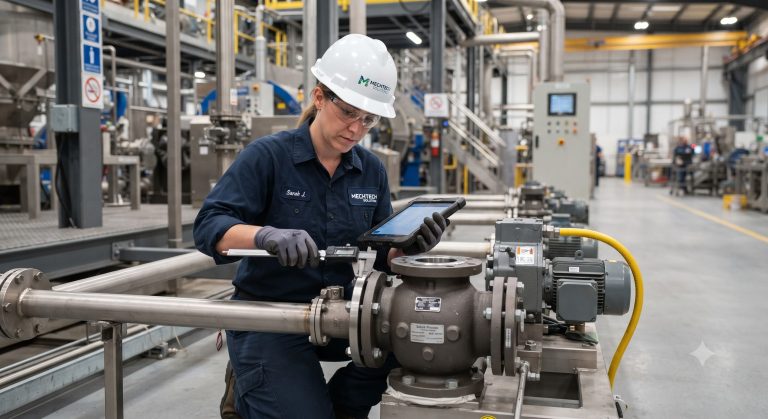
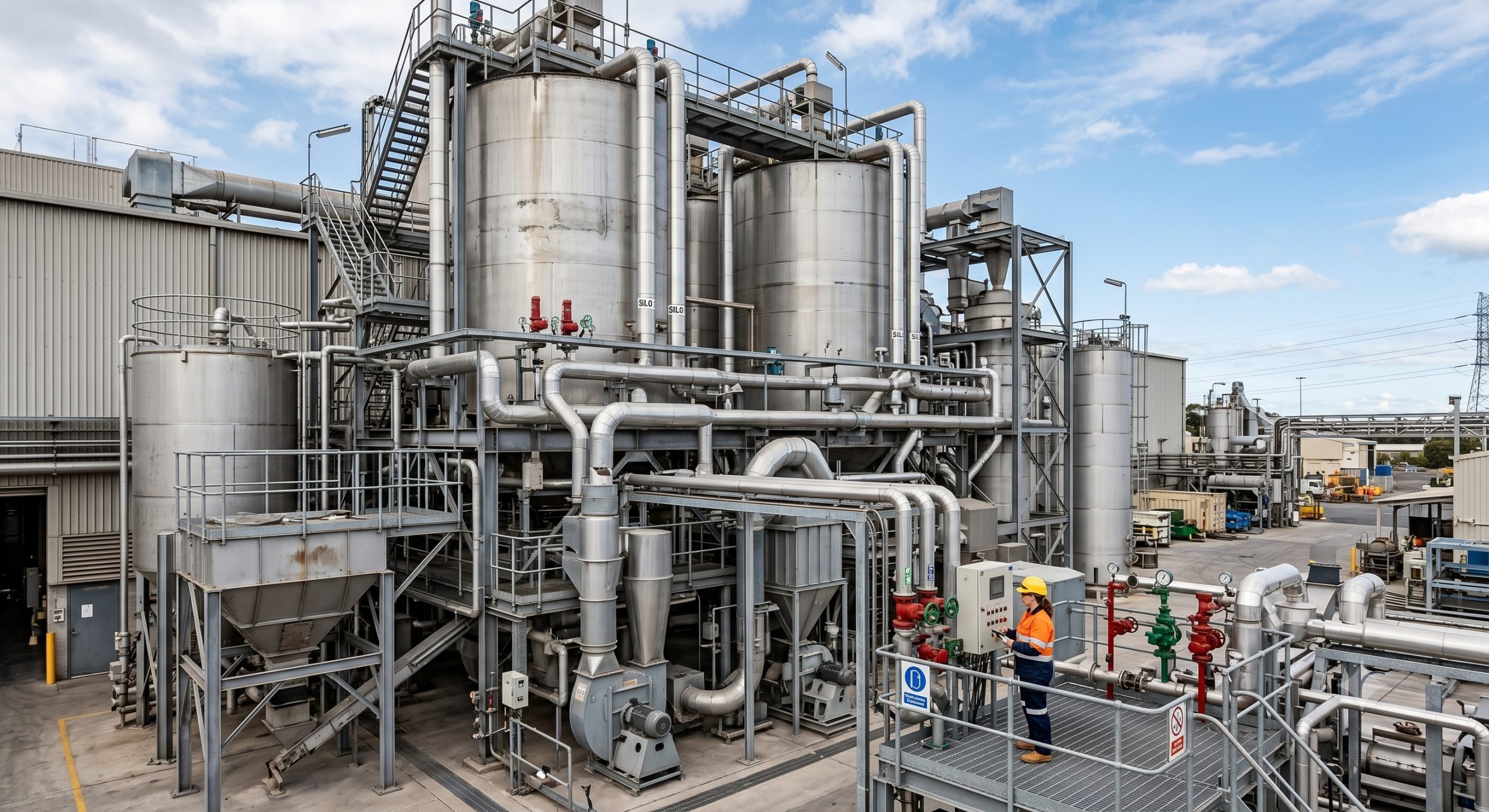
In high-capacity pneumatic conveying and bulk material handling, the milling impeller is the mechanical heart of the system. Legacy rotary valves often suffer from air leakage, abrasive wear, and catastrophic jamming. The Doebritz milling impeller redefines volumetric efficiency through precision metallurgy and sub-millimeter clearances. Operating at differential pressures up to 1.5 Bar (150 kPa) and rotor speeds ranging from 15 to 50 rpm, this component directly impacts your plant’s total cost of ownership (TCO).
Engineering Superiority of Doebritz Milling Impeller
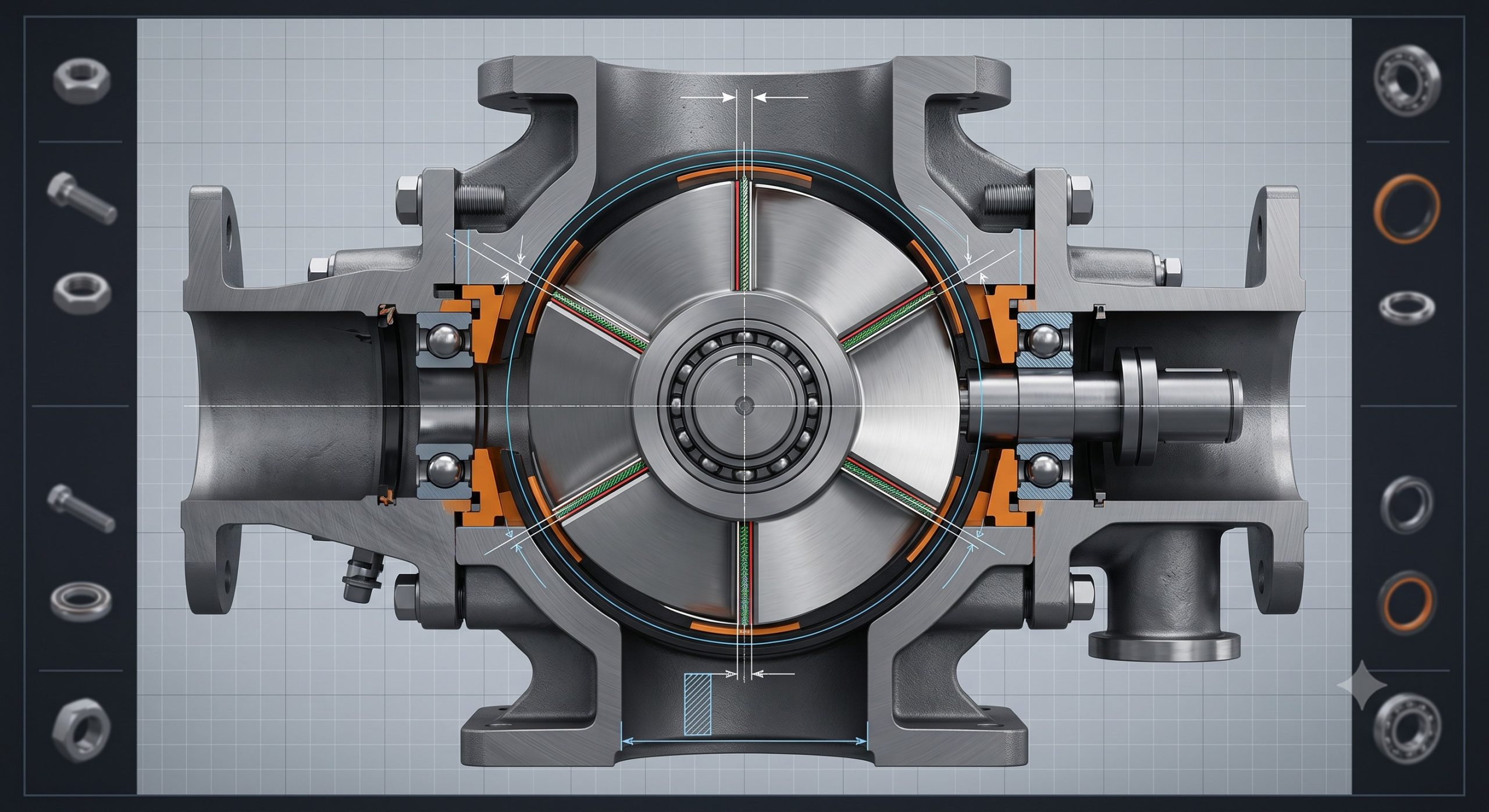
Unlike standard cast iron rotors, the Doebritz milling impeller utilizes either Ni-Hard (550-600 HB) for abrasive cement powders or SS316L with hard-chrome plating (minimum 70 HRC) for food-grade and corrosive environments. The CNC-machined rotor vanes achieve radial clearances of 0.10 mm to 0.25 mm and axial clearances below 0.15 mm, drastically reducing blowback air while preventing metal-to-metal contact. This design complies with ATEX Dust Zone 20/21, NFPA 69, and EHEDG hygienic standards.
Outboard Bearing & Air Purge Seals
To maximize mean time between failures (MTBF), Doebritz integrates outboard bearings isolated from the material flow. A lantern ring packing gland with continuous air purge at 0.2-0.5 Bar above conveying pressure prevents dust ingress into bearing housings. This configuration enables continuous operation exceeding 8,000 hours in abrasive environments.
| Key Parameter | Technical Specification (Doebritz Milling Impeller) |
|---|---|
| Max Differential Pressure | 1.5 Bar (150 kPa) – Dense Phase Capable |
| Operating Temperature | -20°C to +250°C (High-Temp option up to 400°C) |
| Radial Clearance | 0.10 – 0.25 mm (CNC-ground rotor) |
| Axial Clearance | ≤ 0.15 mm |
| Volumetric Capacity | Up to 120 L/rev (custom pocket geometry) |
| Compliance | ATEX Zone 20/21, NFPA 69, FDA, CE, EHEDG |
| Typical Rotor Hardness | Ni-Hard: 550 HB / Hard-Chrome: 70 HRC |
| Air Purge Requirement | 0.2-0.5 Bar above conveying pressure |
Quantified Field Performance: Data-Driven Evaluation
Independent plant trials demonstrate a volumetric efficiency of 92-96% for the Doebritz milling impeller versus 65-75% for legacy designs at 1.0 Bar differential. This translates to 18% lower energy consumption per metric ton of conveyed material. In high-temperature polymer compounding (up to 250°C), the rotor’s chamfered edges and staggered pocket geometry eliminate material bridging, achieving consistent discharge rates of 120 L/rev.
Total Cost of Ownership (TCO) Amortization
While the initial CapEx of a Doebritz milling impeller is 15-20% above commodity valves, the wear life is 3x longer in silica sand handling. Replacement intervals extend from 6 months to 18+ months, and energy savings alone repay the premium within 7 months of continuous operation. Compliance with FDA 21 CFR 177 and CE Machinery Directive 2006/42/EC further reduces validation costs for pharmaceutical and food processors.
Conclusion: Industrial Verdict
For plant managers seeking to eliminate unplanned downtime and minimize pneumatic conveying air waste, the Doebritz milling impeller offers a quantifiable ROI. Whether in dense phase, dilute phase, or silo discharge applications, its advanced rotor dynamics and certified safety features set the benchmark. Specify Doebritz for your next retrofit or new system design.