DOEBRITZ ELECTRICAL GROUNDING SPECIFICATIONS FOR POWDER HANDLING
OFFICIAL TECHNICAL OVERVIEW & DATASHEET
1. EXECUTIVE SUMMARY
Doebritz recognizes that electrostatic hazards present a critical risk in powder handling operations. The rapid movement of particulates through pneumatic conveying systems and gravity discharge processes generates significant static charge accumulation. If not properly managed, this can lead to dust explosions, equipment damage, and compromised product quality.
This document outlines the official electrical grounding specifications for Doebritz quick-release rotary valves in powder handling applications. These engineering requirements ensure safe operation in potentially explosive atmospheres, compliance with ATEX and IECEx standards, and long-term operational reliability.
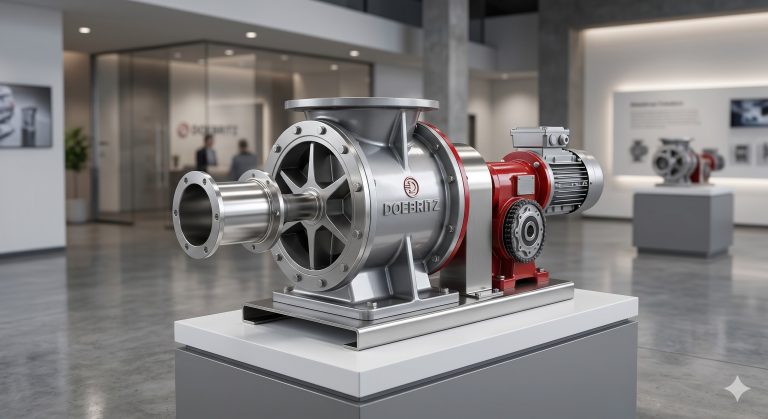
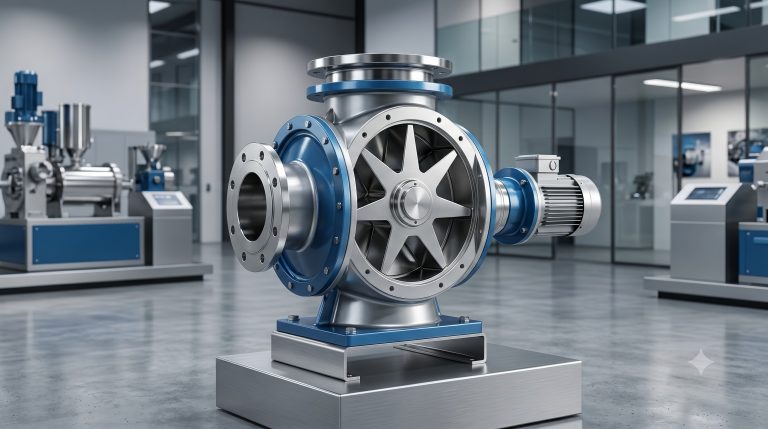
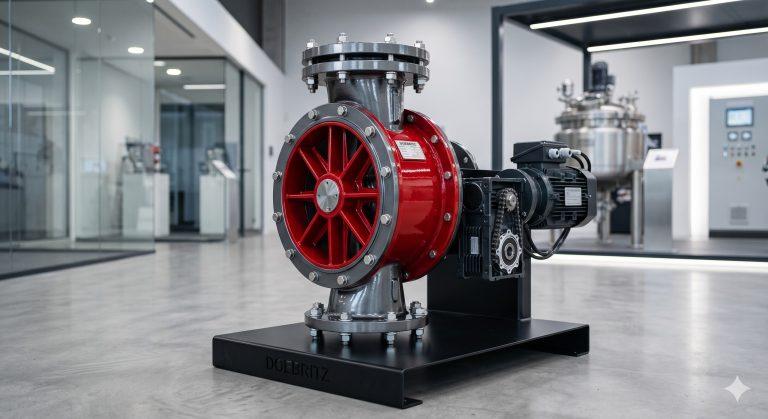
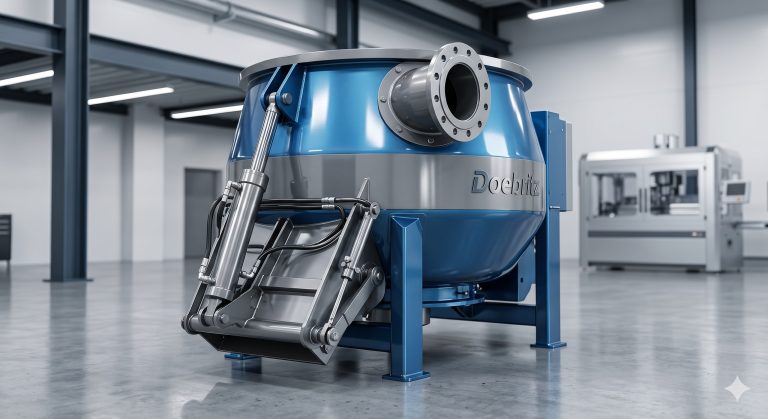
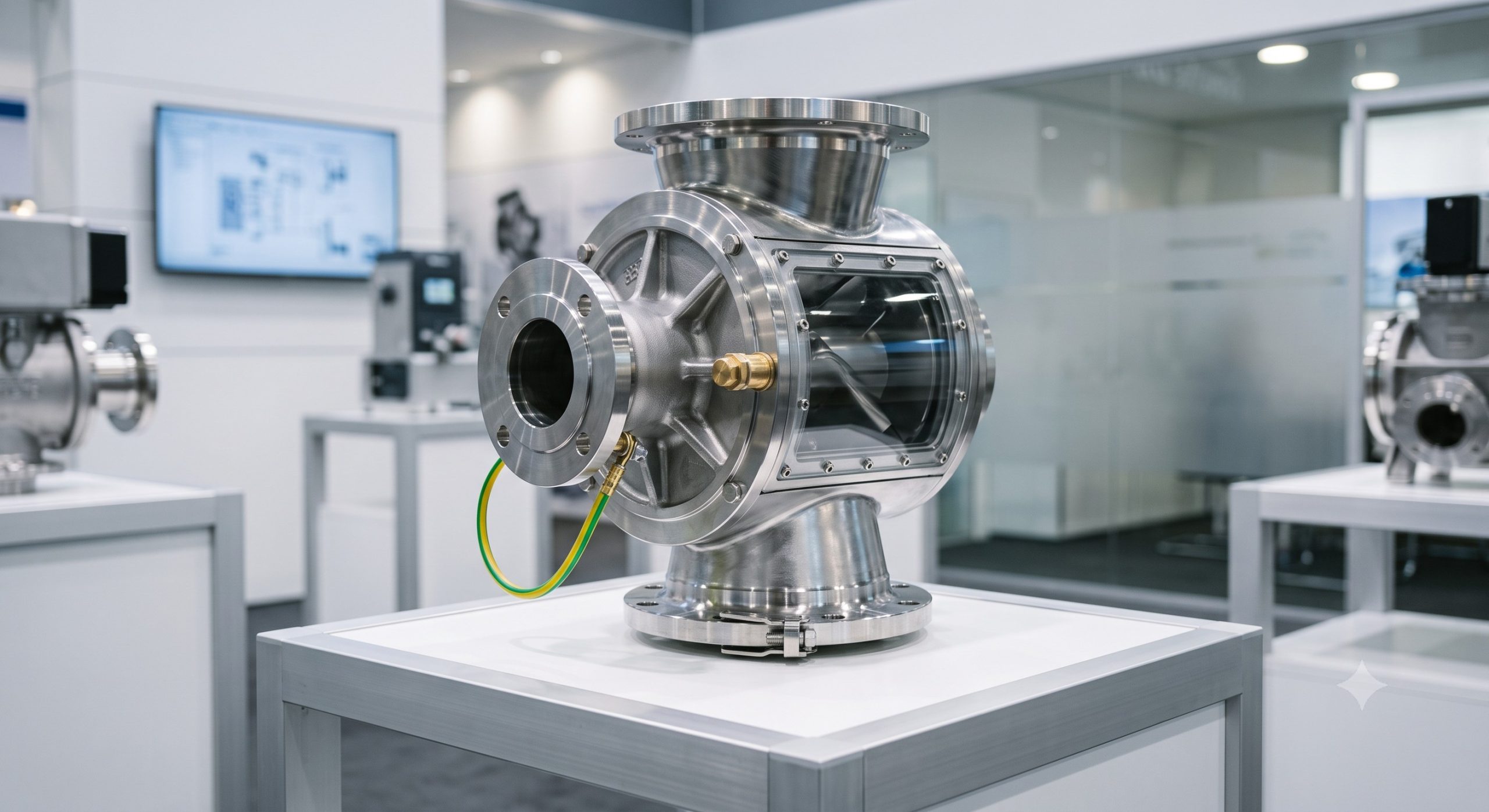
Doebritz rotary valves incorporate “Secure Grounding Design” as a fundamental engineering principle across all product variants . This specification applies to all models including our DBR-1237 gravity-style quick-release rotary valve series.
2. STATIC ELECTRICITY HAZARDS IN POWDER CONVEYING
Pneumatic conveying and gravity discharge of powders generate electrostatic charges through friction, impact, and separation of particles. The hazards are particularly pronounced under specific conditions:
– Combustible powders with minimum ignition energy (MIE) below 3 mJ present immediate ignition risks
– Coarse powders (median particle size > 0.1 mm) with high resistivity (> 10¹⁰ Ω·m) require special consideration for cone discharge hazards
– The accumulation of static charge on powder heaps during gravity filling and emptying operations creates ignition sources
– Powders with flammable solvents or in environments containing flammable gases or vapors require enhanced grounding protection
Doebritz engineering solutions address these hazards through integrated grounding systems that provide a defined path to earth for static charges, preventing accumulation that could lead to incendiary discharges.
3. ENGINEERING GROUNDING SPECIFICATIONS
3.1 Grounding System Requirements
The Doebritz electrical grounding specification mandates the following engineering requirements for all powder handling rotary valve installations:
Grounding Connection: All rotary valve assemblies must be equipped with a dedicated grounding point that provides a resistance path of less than 10⁸ Ω to earth ground. This grounding point shall be clearly labeled on the valve housing in accordance with international marking standards .
Grounding Continuity: Conductive components of the valve—including the housing, rotor, shaft, bearings, and mounting flanges—shall be bonded together with a resistance of less than 10⁸ Ω to the primary grounding point .
Earthing Clamps: For applications utilizing Flexible Intermediate Bulk Containers (FIBCs), Type C FIBCs with grounding points shall be used. A grounding clamp must be attached to the FIBC’s designated grounding point during all filling and emptying operations .
Static Prevention: The valve design shall incorporate features that prevent static electricity accumulation, including precision-machined clearances and materials that minimize triboelectric charging .
3.2 Compliance Requirements
All Doebritz rotary valves meet or exceed the following electrical grounding and safety standards:
– EN 1127-1:2019 – Explosive atmospheres – Explosion prevention and protection
– EN ISO 80079-36:2016 – Non-electrical equipment for potentially explosive atmospheres
– EN ISO 80079-37:2016 – Non-electrical equipment for explosive atmospheres
– ATEX Directive 2014/34/EU – Equipment for potentially explosive atmospheres
– IECEx International Certification Scheme
– NFPA 77 – Recommended Practice on Static Electricity
3.3 Testing and Verification
Doebritz grounding systems are verified through rigorous factory testing:
– Continuity testing to verify resistance values below 10⁸ Ω
– Insulation resistance testing for non-conductive components
– Visual inspection of grounding point labeling and marking
– Documentation of all test results for compliance records
4. OPERATIONAL GROUNDING PROTOCOLS
4.1 Pre-Operational Checks
Prior to commencing powder handling operations, the following verification procedures must be completed:
1. Visual inspection of all grounding connections to verify secure attachment
2. Confirmation that all bonding straps and cables are free of damage or corrosion
3. Verification that the FIBC grounding clamp is properly attached to designated grounding point
4. Measurement of grounding continuity using appropriate testing equipment
4.2 In-Service Monitoring
During operation, the following protocols apply:
– Regular inspection of grounding connections at scheduled maintenance intervals
– Immediate shutdown and inspection if any grounding connection becomes loose or disconnected
– Documentation of all grounding system inspections and tests
4.3 Post-Operation Procedures
After completing powder handling operations:
1. Allow static charges to dissipate before disconnecting any grounding connections
2. Inspect grounding connections for wear or damage
3. Verify that all grounding systems are properly stored for next use
5. SAFETY CONSIDERATIONS FOR SPECIFIC APPLICATIONS
5.1 Combustible Powders in Explosive Atmospheres
Doebritz explosion-proof rotary valves are TÜV-certified and engineered for use in Zone 20, 21, and 22 hazardous areas. These valves feature:
– Enclosure design capable of withstanding internal explosion pressures exceeding 10 bar
– Precision rotor-to-housing clearance of 0.15mm – 0.20mm to minimize air leakage and static generation
– Grounding connections integrated into the flameproof enclosure design
– Temperature monitoring devices to prevent overheating
5.2 High-Resistivity Powders
For powders with resistivity greater than 10¹⁰ Ω·m and median particle sizes greater than 0.1 mm, Doebritz recommends consultation with certified explosion protection experts to assess the potential for cone and brush discharges .
5.3 Hygienic and CIP Applications
Doebritz sanitary rotary valves for food and pharmaceutical applications include grounding provisions compatible with wet cleaning procedures . All grounding connections are designed to prevent water ingress and maintain conductivity after repeated CIP cycles.
6. INSTALLATION AND MAINTENANCE GUIDELINES
6.1 Installation Requirements
– Mounting of Doebritz rotary valves shall be on a properly grounded structure
– Grounding conductors shall be sized in accordance with local electrical codes
– Grounding connections shall be accessible for inspection and testing
– All grounding connections shall be made using appropriate connectors and hardware
– The valve installation shall include a clearly visible and accessible grounding point
6.2 Maintenance Protocol
Maintenance of Doebritz rotary valve grounding systems shall follow this schedule:
Daily Inspection:
– Visual check of all visible grounding connections
– Confirmation that grounding cables are intact and secure
Monthly Inspection:
– Verify resistance of all grounding connections to earth ground
– Inspect for signs of corrosion or mechanical damage
– Document and report any non-conforming conditions
Quarterly Inspection:
– Complete verification of all bonding connections
– Cleaning of grounding contact surfaces as required
– Replacement of damaged or degraded grounding components
6.3 Troubleshooting Guidance
If grounding issues are identified, follow these procedures:
1. Verify that all equipment is disconnected from power sources before inspection
2. Clean contact surfaces and reconnect grounding conductors
3. Measure ground resistance and ensure value is less than 10⁸ Ω
4. If resistance is above specified limits, inspect for corrosion, loose connections, or damaged conductors
5. Replace any degraded grounding components and retest
| Parameter | Specification |
|---|---|
| Grounding Resistance | < 10⁸ Ω to earth ground |
| Grounding Point | Dedicated labeled grounding point |
| Bonding Resistance | < 10⁸ Ω between conductive components |
| Grounding Standard Compliance | EN 1127-1:2019, EN ISO 80079-36:2016, EN ISO 80079-37:2016 |
| Explosion Protection | ATEX / IECEx Certified |
| Hazardous Zone Classification | Zone 20, 21, 22 |
| Explosion Pressure Resistance | > 10 bar |
| Rotor-to-Housing Clearance | 0.15mm – 0.20mm |
| Flange Standard | DIN PN10 / ANSI 150# |
| Working Pressure Range | -0.5 to 2 bar |
| Working Temperature Range | -10°C to 150°C |
| Rotational Speed | 10-60 RPM |

7. CERTIFICATION AND COMPLIANCE
Doebritz electrical grounding systems and explosion protection features are certified by:
– TÜV (Germany) – Statement of Explosion Protection
– CE Marking – Conformity with European Directives
– ATEX Certification – Compliance with Directive 2014/34/EU
– IECEx Certification – International Compliance
8. CONCLUSION
Doebritz electrical grounding specifications for powder handling applications reflect the company’s commitment to safety, reliability, and operational excellence. By following these engineering guidelines, plant operators can ensure that their powder handling processes maintain the highest standards of explosion protection while maximizing equipment performance.
For applications involving combustible powders, flammable gases, or high-resistivity materials, Doebritz recommends consultation with certified process safety professionals to ensure comprehensive explosion protection covering all potential ignition sources.
For detailed product specifications, custom engineering solutions, or assistance with specific application requirements, please contact your Doebritz representative.
📥 Download Technical Specification
Click the button below to view or download the full official PDF datasheet.